Finaplix-H for Livestock, Finaplix, Finaplix-H,

Finaplix-H for Livestock

In the world of livestock management and animal husbandry, enhancing growth rates, improving feed efficiency, and optimizing overall productivity are constant goals for farmers and breeders. Among the various tools available, Finaplix-H has gained significant attention as a potent growth promoter used in the livestock industry.

This comprehensive guide explores everything you need to know about Finaplix-H for livestock, including its uses, benefits, legal considerations, administration methods, safety protocols, and frequently asked questions. Whether you’re a seasoned farmer or new to livestock enhancement, understanding the ins and outs of Finaplix-H will help you make informed decisions for your operation.


What is Finaplix-H?

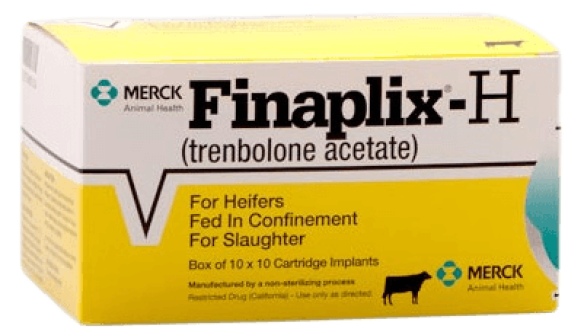
Finaplix-H is a veterinary pharmaceutical product, a brand name for trenbolone acetate, a powerful synthetic anabolic-androgenic steroid. Originally designed for veterinary use, particularly in cattle to promote muscle growth and improve feed efficiency. Primarily utilized in veterinary medicine as a subcutaneous ear implant (under the brand names Finaplix-H for heifers and Finaplix-S for steers), it is formulated to promote weight gain and improve feed efficiency in livestock prior to slaughter. Finaplix-H has become a popular choice among livestock producers worldwide.

Key components of Finaplix-H:

  • Active ingredient: Trenbolone acetate
  • Formulation: Sterile implant pellets
  • Brand: Finaplix-H (by Miraduck Solutions and other manufacturers)

Note: Finaplix-H is intended for veterinary use and is regulated in many countries. Its use outside approved veterinary applications may be illegal or require specific licensing.


How Does Finaplix-H Work in Livestock?

The Science Behind Finaplix-H

Trenbolone acetate, the active component of Finaplix-H, is a powerful androgenic steroid that binds to androgen receptors in muscle and other tissues. Its primary effects include:

  • Stimulating protein synthesis: Accelerates muscle growth by increasing the rate of protein production.
  • Enhancing feed efficiency: Animals convert feed into muscle more effectively.
  • Promoting nitrogen retention: Supports anabolic processes critical for muscle development.
  • Reducing fat deposition: Leads to leaner meat production.

Mode of Action

When implanted in cattle or other livestock, Finaplix-H releases trenbolone acetate gradually over weeks, providing a sustained anabolic effect. This leads to increased muscle mass, improved carcass quality, and faster weight gain—all vital metrics for livestock producers aiming for higher yields.


Benefits of Using Finaplix-H in Livestock

1. Increased Muscle Growth and Weight Gain

Finaplix-H significantly boosts muscle mass, resulting in faster and more efficient weight gain. This translates into shorter time to market and higher profitability.

2. Improved Feed Conversion Ratio (FCR)

Animals treated with Finaplix-H utilize feed more efficiently, reducing feed costs and maximizing returns.

3. Enhanced Carcass Quality

The steroid promotes leaner meat with better marbling and overall carcass quality, meeting consumer demand for premium meat products.

4. Cost-Effective Production

Given its potency, a small amount of Finaplix-H can produce substantial results, making it a cost-effective addition to livestock management practices.

5. Reduced Time to Market

Faster growth rates mean animals reach market weight sooner, enabling producers to optimize their production cycles.

6. Versatility in Livestock Management

While most commonly used in cattle, some farmers explore its application in other ruminants, always adhering to legal and safety standards.


Regulatory Status

In many countries, including the United States, the use of trenbolone acetate implants like Finaplix-H is legally permitted only under veterinary supervision and within approved guidelines. Unauthorized use or misuse can lead to legal penalties, export restrictions, and health concerns.

Ethical Use

Responsible animal husbandry involves prioritizing animal welfare, adhering to legal standards, and ensuring food safety for consumers. Misuse of anabolic steroids can have serious health implications for animals and humans.

Possible Risks and Side Effects

While Finaplix-H offers benefits, improper use can lead to:

  • Hormonal imbalances in animals
  • Reduced fertility
  • Behavioral changes
  • Residue presence in meat products (requiring withdrawal periods)
  • Potential health risks to consumers

Always consult a veterinarian before administering any steroid implants.


How to Use Finaplix-H for Livestock

Administration Methods

Finaplix-H is typically administered via subcutaneous implantation. The process involves:

  1. Preparation: Ensure the implant is sterile and handled with clean gloves.
  2. Site Selection: Usually behind the ear or in the neck region.
  3. Implantation: Using an applicator, insert the pellet beneath the skin.
  4. Post-implant Care: Observe the animal for any adverse reactions.

Dosage and Frequency

  • The dosage varies depending on the animal’s size, age, and production goals.
  • Most common implant sizes are 200 mg or 300 mg of trenbolone acetate.
  • Re-implantation may be necessary after the initial effects diminish, typically after 60-90 days.

Best Practices

  • Follow veterinary guidance for dosage and timing.
  • Maintain records of implants for traceability.
  • Use sterile equipment to prevent infections.
  • Observe withdrawal periods to ensure meat safety.

Safety and Precautions

Handling and Storage

  • Store Finaplix-H in a cool, dry place away from sunlight.
  • Keep out of reach of unauthorized personnel and animals.
  • Wear gloves during handling to prevent accidental absorption.

Risks of Improper Use

  • Over-implantation can cause hormonal imbalances.
  • Using contaminated or counterfeit products poses health risks.
  • Non-compliance with withdrawal periods can lead to illegal residues in meat.

Veterinary Supervision

Always consult a veterinarian for appropriate use, dosage, and monitoring. They can help design a safe and effective implant protocol tailored to your livestock.


FAQs About Finaplix-H for Livestock

Answer: In many countries, Finaplix-H is legally used in livestock under veterinary supervision for approved purposes. Unauthorized use outside legal guidelines may be illegal.

2. How long does the effect of Finaplix-H last?

Answer: Typically, the anabolic effects last around 60 to 90 days, depending on the implant size and animal metabolism.

3. Can Finaplix-H be used in dairy cattle?

Answer: Generally, no. Its use in dairy cattle is restricted due to potential residues in milk and meat, and regulatory limitations.

4. What are the withdrawal periods after using Finaplix-H?

Answer: Withdrawal periods vary by country and dosage but generally range from 30 to 60 days before slaughter.

5. Are there natural alternatives to Finaplix-H?

Answer: Yes. Proper nutrition, selective breeding, and management practices can enhance growth naturally without steroids.

6. Can I buy Finaplix-H online?

Answer: Availability varies by region and legality. Always ensure purchasing from reputable, legal sources and comply with local regulations.

7. What are the side effects of Finaplix-H in livestock?

Answer: Potential side effects include hormonal imbalances, reduced fertility, behavioral changes, and injection site reactions.

8. How does Finaplix-H compare to other growth promotants?

Answer: Trenbolone acetate (Finaplix-H) is considered one of the most potent anabolic agents available, offering rapid growth and high feed efficiency.


Feedback and Common Questions

User Feedback

Farmers and livestock producers who have used Finaplix-H report:

  • Increased muscle mass and weight gain
  • Improved feed efficiency
  • Faster time to market
  • Some concern about residues and legal compliance

Common Questions

  • How can I ensure safe and effective use of Finaplix-H?
  • What are the signs of improper administration?
  • How do I handle withdrawal and ensure meat safety?
  • Are there natural or organic alternatives?

Tip: Always work closely with a veterinarian and adhere to legal standards to maximize benefits and minimize risks.


Conclusion

Finaplix-H for livestock remains a powerful tool for enhancing growth performance, improving feed efficiency, and increasing profitability when used responsibly and legally. Understanding its mechanisms, benefits, risks, and proper administration is crucial for sustainable and ethical livestock management.

If you’re considering using Finaplix-H, consult with a qualified veterinarian, adhere to regulatory guidelines, and prioritize animal welfare and food safety. Responsible use of anabolic implants can lead to significant productivity gains and economic benefits for your livestock operation.

Liver Functions stimulant for camel


References

  • Miraduck Solutions. (n.d.)
  • Veterinary pharmacology textbooks
  • Regulatory agencies’ guidelines (FDA, EPA, etc.)
  • Scientific studies on trenbolone acetate and livestock performance

Disclaimer: This article is for informational purposes only. Always consult a veterinarian or qualified professional before using any pharmaceutical products on livestock.

Liver function stimulants for camels, Camel liver health supplements, Hepatoprotective products for camels, Best liver support for camels, Camel health and liver detox, Natural liver stimulants for livestock, Hepaprot for camels, Liver detoxification in camels,

Liver Function Stimulants for Camels: Guide to Enhancing Camel Health and Productivity

Camels, often called the “ships of the desert,” are vital to the livelihood of millions in arid regions across Africa, the Middle East, and Asia. Their resilience and adaptability make them invaluable for transportation, milk production, and meat. However, despite their hardy nature, camels are susceptible to various health issues, particularly liver-related problems that can significantly impact their health, productivity, and longevity.

One of the critical aspects of maintaining optimal camel health is ensuring proper liver function. The liver plays a central role in detoxification, metabolism, and overall vitality. When liver function is compromised, camels may experience decreased feed efficiency, reduced milk yield, poor growth rates, and increased susceptibility to diseases.

What Are Liver Function Stimulants for Camels?

Liver function stimulants are specialized supplements designed to support and enhance the activity of the liver in camels. These products aim to detoxify the liver, stimulate hepatic cell regeneration, and improve overall metabolic health. Proper use of liver stimulants can lead to healthier animals, better feed conversion, and increased productivity.

In this article, we will explore the importance of liver health in camels, the types of liver function stimulants available, their benefits, and how to effectively incorporate them into camel health management programs.


Understanding Camel Liver Health: Why Is It Crucial?

The Role of the Liver in Camel Health

The liver is the body’s largest internal organ and performs numerous vital functions:

  • Detoxification: The liver filters toxins from the bloodstream, including metabolic waste, pesticides, and other environmental pollutants.
  • Metabolism: It processes nutrients from feed, converting them into energy and essential compounds.
  • Protein Synthesis: The liver produces vital proteins, including clotting factors and enzymes.
  • Storage: It stores vitamins, minerals, and glycogen for energy reserves.
  • Bile Production: Essential for fat digestion and absorption.

Camels are exposed to various factors that can impair liver health, such as:

  • Infectious Diseases: Liver flukes (Fasciola spp.), hepatitis viruses, and other parasitic infections.
  • Toxic Substances: Ingestion of contaminated feed, water, or plants containing hepatotoxic compounds.
  • Nutritional Deficiencies: Lack of essential nutrients like antioxidants, vitamins, and minerals.
  • Environmental Stress: Extreme weather conditions and dehydration can strain liver functions.
  • Poor Management: Inadequate sanitation, exposure to pollutants, and improper medication use.

Symptoms of Liver Dysfunction in Camels

Recognizing early signs of liver problems is crucial:

  • Loss of appetite
  • Jaundice (yellow discoloration of mucous membranes)
  • Weakness and lethargy
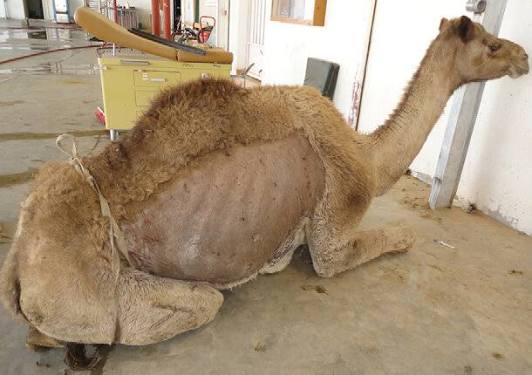
  • Swelling of the abdomen (ascites)
  • Dark urine
  • Diarrhea or constipation
  • Reduced milk production
  • Poor growth rates

The Importance of Liver Function Stimulants in Camel Health Management

Why Use Liver Function Stimulants?

Supporting liver health is essential for maintaining overall animal performance. Liver function stimulants can:

  • Accelerate detoxification processes
  • Support hepatic cell regeneration
  • Improve feed efficiency and nutrient absorption
  • Boost immune response
  • Reduce the risk of liver-related diseases

Benefits of Using Liver Stimulants for Camels

Implementing liver stimulants offers multiple advantages:

  • Enhanced metabolic health
  • Increased milk yield and quality
  • Improved growth rates
  • Better resilience to infections
  • Faster recovery from illness
  • Support during periods of stress or medication

Types of Liver Function Stimulants for Camels

Several formulations are available in the market, each with unique ingredients and mechanisms of action. Here, we’ll review the most common types.

1. Herbal and Natural Liver Stimulants

These are based on herbal extracts and natural compounds known for hepatoprotective properties.

Examples include:

  • Milk thistle (Silybum marianum)
  • Licorice root (Glycyrrhiza glabra)
  • Turmeric (Curcuma longa)
  • Dandelion root (Taraxacum officinale)

Advantages: Generally safe, with fewer side effects, and can be used as preventive measures.

2. Pharmaceutical and Synthetic Liver Support Products

These are formulated with active compounds that directly support liver function.

Common ingredients:

  • Silymarin (from milk thistle)
  • SAMe (S-Adenosylmethionine)
  • N-acetylcysteine (NAC)
  • Essential amino acids
  • Vitamins (B-complex, E, K)

3. Commercial Liver Support Supplements

Many products combine herbal and synthetic ingredients for a comprehensive approach.

Notable Example:
Hepaprot 100ml — a liver stimulant designed specifically for animals, including camels.


Spotlight: Hepaprot 100ml — A Leading Liver Stimulant for Camels

Hepaprot is a popular liver support product formulated to aid in detoxification, support hepatic regeneration, and improve overall liver health. According to the product description from Miraduck Solutions, it contains a blend of herbal and pharmaceutical ingredients designed to optimize liver function.

Key Features of Hepaprot

  • Supports liver detoxification
  • Boosts hepatic cell regeneration
  • Enhances metabolic processes
  • Safe for use in camels and other livestock
  • Easy to administer (liquid form)

How Does Hepaprot Work?

Hepaprot contains active ingredients that:

  • Stimulate the production of bile, aiding digestion
  • Neutralize toxins and free radicals
  • Promote liver cell regeneration
  • Support immune functions

Usage Guidelines

  • Dosage varies based on animal weight and health status
  • Typically administered via oral drench
  • Can be used during disease recovery, stress periods, or as a preventive measure

Benefits for Camels

  • Improved appetite and feed conversion
  • Enhanced milk production
  • Faster recovery from liver-affecting diseases
  • Improved overall vitality and resilience

How to Incorporate Liver Function Stimulants into Camel Health Programs

Assessing the Need

Before administering any supplement, assess the camel’s health, diet, environment, and exposure risks. Consult with a veterinarian for proper diagnosis and tailored treatment plans.

Timing of Administration

  • Preventive: During periods of high stress, environmental changes, or poor forage availability
  • Therapeutic: During or after illness, parasitic infections, or toxin exposure
  • Supportive: During medication courses that may affect the liver

Dosage and Duration

Follow manufacturer recommendations or veterinary advice. Typically, a course spans 3–7 days, with possible repeat courses based on health status.

Complementary Management Practices

  • Ensure nutritionally balanced diets rich in antioxidants
  • Control parasitic infections
  • Maintain hygiene and sanitation
  • Provide clean water
  • Minimize environmental stressors

Frequently Asked Questions (FAQs)

1. What are the best liver stimulants for camels?

The choice depends on the specific needs, health status, and recommendations from a veterinarian. Products like Hepaprot are highly regarded for their efficacy.

2. Can liver stimulants be used as a preventive measure?

Yes, especially during stress periods, environmental challenges, or in animals exposed to toxins or parasitic infections.

3. Are herbal liver stimulants safe for camels?

Generally, herbal supplements are safe when used appropriately. However, always consult a veterinarian before use.

4. How long does it take to see results?

Improvements can be observed within a few days to weeks, depending on the health condition and treatment protocol.

5. Can liver stimulants be combined with other medications?

Yes, but only under veterinary supervision to avoid interactions.

6. What are signs of liver health improvement?

Increased appetite, better feed conversion, improved milk yield, and disappearance of jaundice or other symptoms.


Conclusion

Maintaining optimal liver health is fundamental to ensuring the productivity, resilience, and overall well-being of camels. Liver function stimulants, such as Hepaprot and other scientifically formulated products, play a vital role in supporting hepatic functions, detoxification, and regeneration.

By integrating these supplements into a comprehensive health management program—alongside good nutrition, parasite control, and environmental management—camel owners can significantly enhance their animals’ performance and longevity.

Remember: Always consult with a qualified veterinarian before introducing any new supplement or medication into your camel’s routine. Proper diagnosis, dosing, and management are key to achieving the best outcomes.

Camel energy boosters


References

  • Miraduck Solutions. (n.d.). Hepaprot 100ml Product Page. Retrieved from https://miraducksolutions.com/product/hepaprot-100ml/
  • Kahn, C. M., & Hays, V. W. (2005). Essentials of Veterinary Hematology. Wiley-Blackwell.
  • Smith, B. P. (2014). Large Animal Internal Medicine. Elsevier Saunders.
  • FAO Livestock Technology Series. (2018). Camel Health and Disease Management.

Camel Energy Boosters, Camel racing injections,

Camel Energy Boosters: Unlocking Natural Vitality for Endurance and Wellness

In today’s fast-paced world, maintaining high energy levels is essential for productivity, physical activity, and overall well-being. Among the myriad of supplements and energy solutions available, Camel Energy Boosters have garnered attention for their natural ingredients, traditional use, and effectiveness. If you’re seeking a reliable way to boost your stamina and vitality, understanding what Camel Energy Boosters are, how they work, and their benefits is crucial.

This comprehensive guide explores everything you need to know about Camel Energy Boosters—how they can enhance your energy levels, their ingredients, health benefits, usage tips, and frequently asked questions. Whether you’re an athlete, a busy professional, or someone looking for natural energy solutions, this article aims to provide valuable insights.


What Are Camel Energy Boosters?

Camel Energy Boosters are natural dietary supplements formulated to increase stamina, improve endurance, and support overall vitality. Traditionally used in Middle Eastern and African cultures, camel-derived products or extracts are believed to possess energizing properties due to their rich nutrient profile.

Key Attributes of Camel Energy Boosters:

  • Natural ingredients derived from camels or camel products
  • Rich in proteins, vitamins, minerals, and amino acids
  • Designed to enhance physical and mental energy
  • Often used by athletes, laborers, and health-conscious individuals

Note: The term “Camel Energy Boosters” may refer to various products, including camel milk, camel meat extracts, or specially formulated supplements containing camel-derived ingredients.


The Science Behind Camel Energy Boosters

Camel products have been a part of traditional medicine for centuries. Modern research is beginning to uncover the scientific basis for their energizing effects.

Nutritional Composition of Camel Products

Camel milk, for example, contains:

  • Proteins and amino acids: Support muscle repair and energy production
  • Vitamins: B vitamins like B12 and riboflavin that are essential for energy metabolism
  • Minerals: Iron, magnesium, and zinc that help prevent fatigue
  • Antioxidants: Reduce oxidative stress, supporting overall vitality

Camel meat and other products similarly contain nutrients that can contribute to sustained energy levels.

How Do Camel Energy Boosters Work?

Camel Energy Boosters work by supplying essential nutrients that enhance mitochondrial function—the powerhouse of cells—leading to increased ATP production, which fuels physical activity and mental alertness. Additionally, their natural composition may help regulate blood sugar levels, preventing energy dips.


Benefits of Using Camel Energy Boosters

1. Natural Energy Enhancement

Camel Energy Boosters provide a natural alternative to synthetic energy drinks and supplements, reducing the risk of adverse side effects.

2. Improved Endurance and Stamina

Athletes and laborers report increased stamina, enabling longer periods of activity without fatigue.

3. Supports Immune Function

Rich in vitamins and minerals, they bolster the immune system, especially important during strenuous activity or recovery.

4. Promotes Mental Clarity

Enhanced nutrient intake can improve focus, concentration, and mental alertness.

5. Anti-inflammatory and Antioxidant Properties

Camel products contain antioxidants that combat oxidative stress, which is linked to fatigue and aging.

6. Suitable for Various Diets

Being natural and minimally processed, they are often compatible with vegetarian, vegan, or other specialized diets (check specific product labels).


Who Should Consider Camel Energy Boosters?

  • Athletes and Fitness Enthusiasts: Looking for natural ways to boost stamina
  • Busy Professionals: Needing sustained mental and physical energy
  • People with Fatigue or Anemia: Due to nutrient deficiencies
  • Travelers and Shift Workers: To combat fatigue and jet lag
  • Individuals Seeking Natural Supplements: Preferably with minimal side effects

Note: Always consult with a healthcare professional before starting any new supplement regimen, especially if you have underlying health conditions.


How to Use Camel Energy Boosters Effectively

Dosage Recommendations

  • Follow the manufacturer’s instructions
  • Typically, daily dosages range from 1 to 3 servings
  • Can be consumed as a powder, capsule, or liquid, depending on the product

Timing for Optimal Results

  • Morning intake can boost energy for the day
  • Pre- or post-workout for enhanced endurance and recovery
  • During periods of fatigue or high stress

Combining with Other Lifestyle Habits

  • Maintain a balanced diet rich in fruits, vegetables, and lean proteins
  • Stay hydrated
  • Engage in regular exercise
  • Ensure adequate sleep

Potential Side Effects and Precautions

While Camel Energy Boosters are generally safe, some considerations include:

  • Allergic reactions (especially if allergic to camel products)
  • Possible interactions with medications
  • Not suitable for certain individuals (e.g., pregnant women, children—consult a healthcare provider)

Always choose high-quality, reputable brands to avoid contamination or adulteration.


Frequently Asked Questions (FAQs)

1. Are Camel Energy Boosters safe?

Yes, when sourced from reputable manufacturers and consumed as directed, they are generally safe. Always check for quality certifications.

2. Can I take Camel Energy Boosters daily?

Most products are designed for daily use, but consult the product label and your healthcare provider.

3. Do Camel Energy Boosters have any side effects?

Potential side effects are rare but may include allergic reactions or digestive discomfort. Discontinue use if adverse effects occur.

4. Are Camel Energy Boosters suitable for vegans or vegetarians?

Camel milk and meat are animal products; however, some supplements may be vegetarian-friendly if they do not contain animal-derived ingredients. Always verify product labels.

5. How long does it take to see results?

Results vary depending on individual health, diet, and activity level. Some users report increased energy within days, while others may take weeks.

6. Where can I purchase Camel Energy Boosters?

Available online through health stores, supplement shops, or directly from manufacturers. Ensure authenticity and quality.


The Future of Camel Energy Boosters in Wellness and Sports Nutrition

As consumer awareness about natural and sustainable supplements grows, Camel Energy Boosters are poised to become a staple in health and sports nutrition. Ongoing research is expanding understanding of their benefits, and innovative formulations are making them more accessible.

  • Development of concentrated extracts and powders
  • Integration into energy drinks and meal replacements
  • Scientific validation of health claims through clinical trials
  • Sustainable harvesting practices to protect camel populations

Why Choose Camel Energy Boosters?

  • Natural and traditional: Backed by centuries of use
  • Rich in nutrients: Supports overall health and energy
  • Eco-friendly: Camel farming has a lower environmental footprint
  • Versatile: Suitable for various lifestyles and fitness levels

Final Thoughts

Camel Energy Boosters offer a promising natural solution for enhancing stamina, supporting immune health, and improving overall vitality. Incorporating these supplements into your daily routine, combined with a balanced diet and healthy lifestyle, can help you achieve sustained energy and wellness.

Remember: Always consult healthcare professionals before adding new supplements to your regimen, especially if you have underlying health conditions or are pregnant or nursing.


Feedback and Questions on Camel Energy Boosters

  • Have you tried Camel Energy Boosters? Share your experience!
  • What benefits did you notice after incorporating them into your routine?
  • Do you have concerns or questions about their safety or efficacy?
  • How do Camel Energy Boosters compare to other energy supplements you’ve used?

Your feedback helps us understand your needs and improve our guidance on natural energy solutions.


References

  • Miraduck Solutions
  • Scientific studies on camel milk and meat composition
  • Traditional uses of camel products in Middle Eastern medicine
  • Current trends in natural energy supplements

Halo IV for Camel Racing

Disclaimer: This article is for informational purposes only and does not substitute professional medical advice. Always consult a healthcare provider before starting any new supplement.

Halo IV for animal use, veterinary technology, livestock health, electromagnetic therapy, ultrasonic therapy, animal wound healing, pain management in animals, Miraduck Solutions, non-invasive veterinary treatment,

Halo IV for Animal Use: Solution for Livestock and Veterinary Care

In the rapidly evolving world of veterinary medicine and livestock management, innovative solutions are constantly emerging to improve animal health, safety, and productivity. Among these innovations, Halo IV for animal use stands out as a groundbreaking device that is transforming the way veterinarians and farmers approach animal care.

If you’re looking to understand the benefits, applications, and scientific backing of Halo IV for animal use, you’ve come to the right place. This comprehensive guide will delve into every aspect of this advanced technology, supported by insights from industry leaders like Miraduck Solutions, and provide you with the knowledge needed to incorporate Halo IV into your animal care practices.


What is Halo IV for Animal Use?

Halo IV for animal use is an innovative medical device designed specifically for livestock and veterinary applications. It operates on cutting-edge technology that offers a non-invasive, safe, and effective method to address a variety of health issues in animals. The device typically utilizes advanced electromagnetic or ultrasonic waves to target specific tissues, promote healing, or deliver medication more efficiently.

Key Features of Halo IV for Animal Use

  • Non-invasive treatment: Eliminates the need for surgical procedures or injections.
  • Precision targeting: Utilizes sophisticated technology to focus on affected areas.
  • Safe for animals: Designed with animal welfare in mind, minimizing stress and discomfort.
  • Versatile applications: Suitable for multiple species and a range of health conditions.
  • User-friendly interface: Easy to operate for veterinarians and trained livestock handlers.

The Science Behind Halo IV for Animal Use

Understanding the science behind Halo IV for animal use is crucial for appreciating its benefits and potential applications. The device leverages principles of electromagnetic therapy, ultrasonic waves, or a combination of both to stimulate cellular repair, reduce inflammation, and enhance tissue regeneration.

How Does Halo IV Work?

  1. Targeted Energy Delivery: The device emits controlled electromagnetic or ultrasonic energy precisely targeted at the affected tissue.
  2. Cellular Stimulation: This energy stimulates cellular activity, promoting faster healing processes.
  3. Reduction of Inflammation: The therapy helps reduce swelling and pain by modulating inflammatory responses.
  4. Enhanced Circulation: It improves blood flow to the affected area, ensuring better delivery of nutrients and removal of waste products.
  5. Medication Support: In some cases, Halo IV can be used to enhance the efficacy of medications by increasing tissue permeability.

Scientific Evidence Supporting Halo IV

Multiple studies in veterinary medicine support the efficacy of electromagnetic and ultrasonic therapies. These therapies have been shown to accelerate wound healing, reduce pain, and improve overall recovery times in animals. When combined with modern diagnostic tools, Halo IV becomes a powerful adjunct in comprehensive veterinary care.


Applications of Halo IV for Animal Use

Halo IV for animal use has a wide range of applications across various sectors of animal health and livestock management:

1. Wound Care and Healing

Animals in farms, zoos, or wild habitats often suffer from wounds that require prompt and effective treatment. Halo IV accelerates wound healing by stimulating tissue regeneration and reducing infection risks.

2. Pain Management

Chronic pain from conditions such as arthritis or injury can significantly affect an animal’s quality of life. Halo IV provides a non-invasive way to manage pain and improve mobility.

3. Post-Surgical Recovery

Using Halo IV after surgery can speed up recovery times, minimize scarring, and reduce the need for medications.

4. Treatment of Musculoskeletal Disorders

Conditions like lameness, tendonitis, or ligament injuries respond well to electromagnetic therapy, enhancing tissue repair and restoring function.

5. Respiratory and Internal Conditions

Some advanced applications involve using Halo IV to treat internal conditions, including respiratory issues or organ inflammation, especially when combined with other therapies.

6. Livestock Productivity Optimization

By maintaining healthier animals through preventative treatments, Halo IV can help improve overall productivity, milk yield, weight gain, and reproductive health.


Benefits of Using Halo IV for Animal Use

Implementing Halo IV for animal use offers numerous benefits that make it an attractive option for veterinarians, farmers, and animal caretakers:

  • Non-Invasive & Painless: No needles, surgeries, or discomfort.
  • Cost-Effective: Reduces long-term healthcare costs by promoting faster healing and reducing medication needs.
  • Time-Saving: Shortens recovery periods, allowing animals to return to normal activity sooner.
  • Enhanced Animal Welfare: Improves overall well-being and reduces stress.
  • Versatility: Suitable for a wide array of animals, including cattle, horses, goats, sheep, and exotic species.
  • Environmentally Friendly: Uses safe technology with minimal environmental impact.

Integrating Halo IV into Veterinary Practice and Livestock Management

Successful implementation of Halo IV for animal use requires understanding how to incorporate this technology into existing health protocols.

Step 1: Training and Certification

Veterinarians and livestock handlers should undergo proper training to operate Halo IV devices effectively and safely.

Step 2: Diagnostic Assessment

Identify animals that can benefit from Halo IV therapy based on their condition, health history, and diagnostic results.

Step 3: Treatment Planning

Develop personalized treatment plans, including session frequency, duration, and combination with other therapies if necessary.

Step 4: Monitoring and Evaluation

Track healing progress and adjust treatment protocols as needed to ensure optimal outcomes.

Step 5: Documentation and Compliance

Maintain detailed records for regulatory compliance and future reference.


Why Choose Miraduck Solutions for Halo IV Devices?

Miraduck Solutions is a global leader in veterinary and livestock health technology, offering high-quality Halo IV devices tailored for animal use. Their commitment to innovation, safety, and efficacy makes them a trusted partner for veterinary clinics and farms worldwide.

Features of Miraduck’s Halo IV Devices

  • Advanced Technology: Utilizing the latest electromagnetic and ultrasonic innovations.
  • Durability and Reliability: Built for rugged farm environments.
  • User-Friendly Design: Easy operation with intuitive interfaces.
  • Comprehensive Support: Training, maintenance, and after-sales service.
  • Customizable Settings: Adaptable to various species and conditions.

Regulatory and Safety Considerations

While Halo IV technology is generally safe, adherence to regulatory standards and safety protocols is essential:

  • Ensure devices meet local veterinary and medical device regulations.
  • Properly train personnel to operate devices safely.
  • Monitor animals during treatment to prevent adverse reactions.
  • Use approved accessories and follow manufacturer instructions.

Future Perspectives of Halo IV for Animal Use

The future of Halo IV for animal use looks promising, with ongoing research exploring new applications such as:

  • Enhanced regenerative therapies
  • Combination with stem cell treatments
  • Use in exotic and endangered species conservation
  • Integration with AI for personalized treatment protocols

As technology advances, Halo IV is poised to become a cornerstone of modern veterinary medicine and livestock management.


Conclusion

Halo IV for animal use represents a significant leap forward in veterinary technology, offering a safe, effective, and non-invasive solution for a wide range of health conditions in animals. Its ability to accelerate healing, reduce pain, and improve overall animal welfare makes it an invaluable tool for veterinarians and livestock managers alike.

If you’re committed to advancing animal health and optimizing livestock productivity, exploring Halo IV technology with trusted providers like Miraduck Solutions can be a game-changer. Embrace the future of veterinary care today and experience the transformative benefits of Halo IV for animal use.

Camel join & tendon repair


Call to Action

Interested in integrating Halo IV for animal use into your veterinary practice or farm? Contact Miraduck Solutions today to learn more about their innovative devices and how they can help you elevate animal care standards.

Camel Joint and Tendon Repair

Camel Joint and Tendon Repair

Camel racing and riding are centuries-old traditions celebrated across the Middle East, Africa, and parts of Asia. These majestic creatures are not only symbols of cultural heritage but also vital economic assets in many regions. However, like all athletic animals, camels are susceptible to musculoskeletal injuries, particularly joint and tendon damage, which can significantly impair their performance and overall health.

In this comprehensive guide, we delve into the intricacies of camel joint and tendon repair, exploring causes, symptoms, treatment options, and cutting-edge rehabilitation techniques. Whether you’re a veterinarian, a camel owner, or an enthusiast eager to understand camel health better, this article provides valuable insights grounded in veterinary science, equine biomechanics, and innovative treatment methodologies.


Why Are Camel Joints and Tendons Critical?

The Role of Joints and Tendons in Camel Mobility

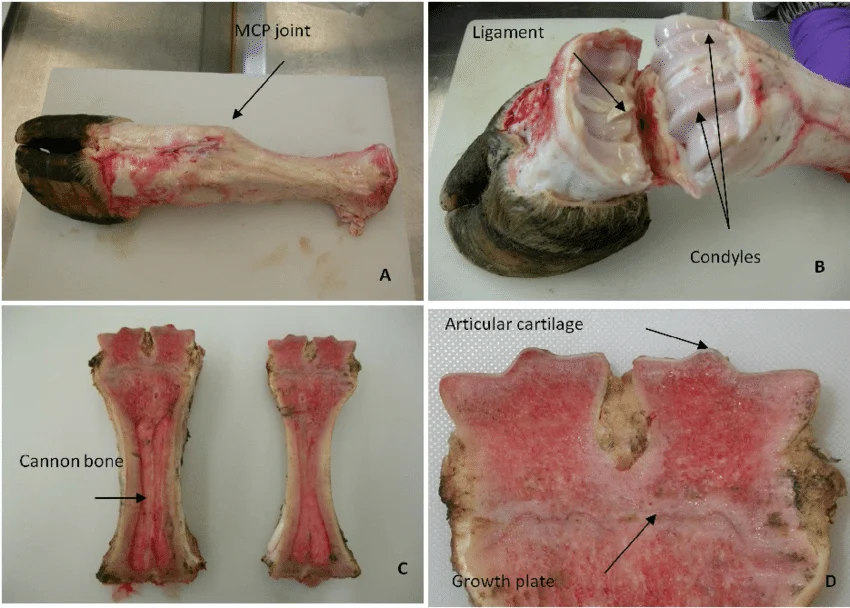
Camel joints and tendons are essential for their mobility, endurance, and agility. The joints—such as fetlocks, knees, hocks, and stifles—allow camels to bear weight, flex, and propel forward. Tendons, including the superficial digital flexor tendon and deep digital flexor tendon, transmit muscular forces that facilitate movement.

Common Injuries Affecting Camel Joints and Tendons

Due to their demanding roles, camels are prone to several musculoskeletal injuries, notably:

  • Tendonitis and Tendon Ruptures: Overexertion, trauma, or improper training can lead to inflammation or tears in tendons.
  • Joint Effusions and Arthritis: Excessive strain or aging may cause joint inflammation or degenerative joint disease.
  • Ligament Injuries: Sudden turns or impacts can damage supporting ligaments, destabilizing joints.
  • Fractures and Bone Injuries: Severe trauma may result in fractures requiring complex repair.

Understanding these injuries’ biomechanics and pathology is crucial for effective treatment and recovery.


Causes of Camel Joint and Tendon Injuries

Overexertion and Fatigue

Camel racing involves high-speed endurance racing, which can place immense stress on joints and tendons. Repetitive strain without adequate rest may lead to micro-tears and inflammation.

Trauma and Accidents

Falls, collisions, or abrupt maneuvers during racing or training can cause acute injuries to tendons and joints.

Poor Training and Handling

Inappropriate training techniques or overtraining can predispose camels to musculoskeletal injuries.

Unsuitable Terrain

Rough, uneven, or slippery surfaces increase the risk of slips, falls, and subsequent injuries.

Nutritional Deficiencies

Lack of essential nutrients like minerals and vitamins impairs tissue repair and weakens structural integrity.


Recognizing the Symptoms of Joint and Tendon Injuries in Camels

Early diagnosis significantly improves treatment outcomes. Common signs include:

  • Swelling and heat around the affected joint or tendon
  • Lameness or reluctance to move
  • Pain response upon palpation
  • Reduced performance or activity levels
  • Abnormal gait or limping
  • Audible crepitus in joints
  • Loss of muscle mass around the injury site

Veterinarians employ clinical examinations, imaging techniques like ultrasound and MRI, and laboratory tests to confirm diagnoses.


Advanced Diagnostic Techniques for Camel Musculoskeletal Injuries

Ultrasonography

Ultrasound imaging is invaluable for visualizing soft tissue injuries, such as tendon tears, inflammation, or fluid accumulation.

Radiography

X-rays help detect bone fractures, joint space narrowing, or osteophyte formation.

MRI and CT Scans

For complex cases, MRI and CT provide detailed insights into soft tissue and bone structures, aiding precise diagnosis.

Arthroscopy

A minimally invasive procedure allowing direct visualization of joint interiors, facilitating accurate assessment and treatment.


Treatment Strategies for Camel Joint and Tendon Repair

Conservative Management

  • Rest and restricted movement
  • Cold and heat therapy
  • Anti-inflammatory medications (NSAIDs)
  • Bandaging and support wraps
  • Controlled exercise during recovery

Surgical Interventions

When conservative methods are insufficient, surgical options include:

  • Tendon suturing or grafting
  • Arthroscopic debridement
  • Joint stabilization procedures
  • Tendon transfer surgeries

Emerging Technologies and Innovative Treatments

Recent advancements have revolutionized camel injury management:

  • Platelet-Rich Plasma (PRP) Therapy: Using concentrated platelets to promote healing.
  • Stem Cell Therapy: Regenerative techniques to repair damaged tissues.
  • Laser Therapy: Enhancing blood flow and tissue repair.
  • Biodegradable Implants and Scaffolds: Supporting tissue regeneration.

Rehabilitation and Recovery Post-Injury

Effective rehabilitation is essential for restoring function and preventing re-injury. Key components include:

  • Controlled, progressive exercise programs
  • Physiotherapy and hydrotherapy
  • Nutritional support for tissue repair
  • Regular veterinary assessments

Proper rehabilitation protocols can shorten recovery times and improve long-term outcomes.


Prevention of Camel Joint and Tendon Injuries

Prevention strategies are vital to maintain peak performance and animal welfare:

  • Adequate warm-up and cool-down routines
  • Proper training regimens and rest periods
  • Using appropriate footwear and track surfaces
  • Ensuring balanced nutrition
  • Regular veterinary check-ups
  • Early intervention for minor injuries

The Role of Veterinary Professionals and Camel Owners

Collaboration between veterinarians and owners is crucial for early detection, effective treatment, and prevention. Educating owners about injury signs and proper management practices enhances animal welfare and performance.


Future Directions in Camel Musculoskeletal Health

Research continues to explore regenerative medicine, biomechanical analysis, and minimally invasive treatments tailored specifically for camels. Innovations such as 3D printing for custom implants and telemedicine consultations are on the horizon.


Conclusion

Camel joint and tendon repair is a complex yet fascinating field that combines veterinary science, biomechanics, and regenerative medicine. Ensuring optimal recovery and prevention not only prolongs the lifespan of these magnificent creatures but also sustains cultural traditions and economic livelihoods.

By understanding injury mechanisms, embracing advanced diagnostics and treatments, and prioritizing preventive care, camel owners and veterinary professionals can significantly enhance the health and performance of these animals.

Camel Racing


References

  • Horse And Camel Racing blog
  • Veterinary Textbooks on Equine Musculoskeletal Injuries
  • Recent Scientific Journals on Regenerative Therapy in Large Animals
  • World Camel Racing and Breeding Associations Guidelines

If you’d like, I can help you convert this into a complete Word document or PDF, or expand on specific sections for more depth.

Camel racing

Camel Racing: History, Techniques, and Modern Innovations

Camel racing is a captivating sport that blends tradition, skill, and modern technology. From ancient Bedouin tribes to global audiences, camel racing has evolved into a sophisticated industry that honors cultural heritage while embracing innovation. In this comprehensive guide, we delve into the fascinating world of camel racing—its history, techniques, racing culture, and the latest technological advancements shaping its future.


1. What is Camel Racing?

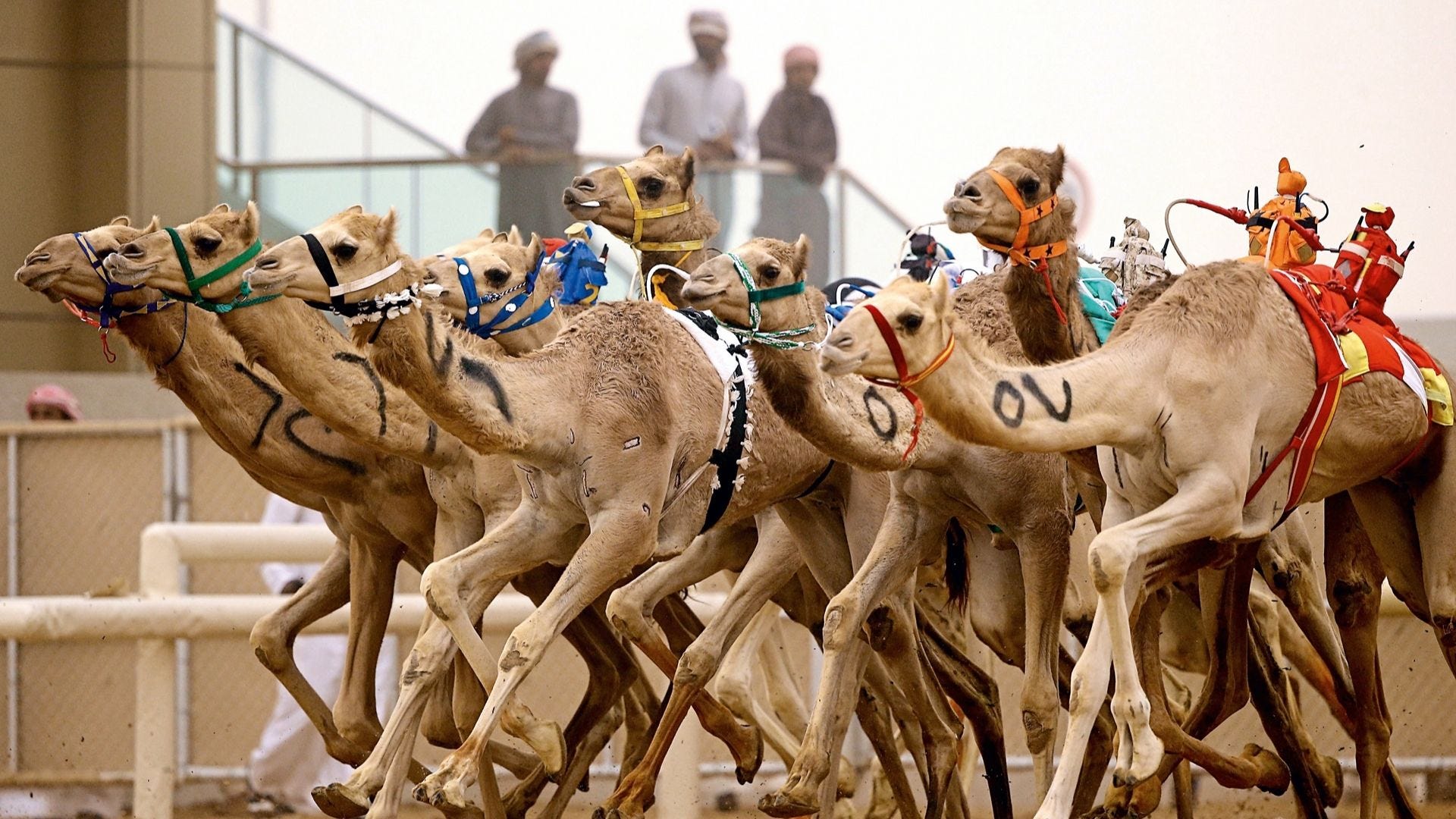
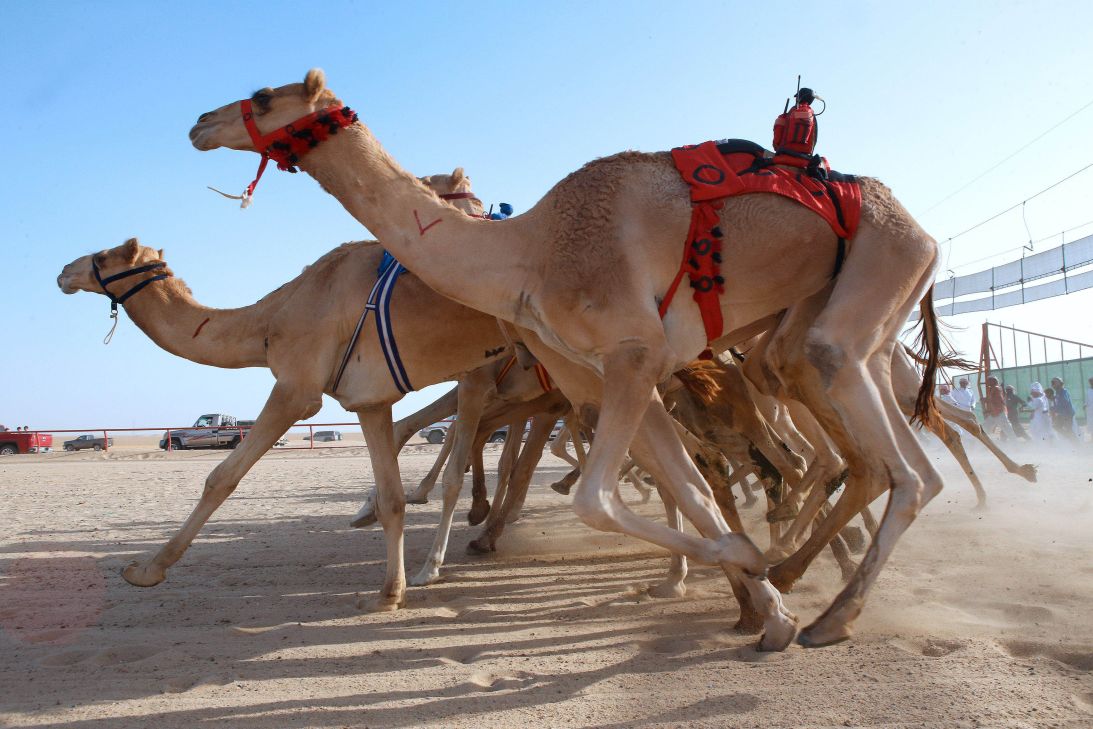
Camel racing is a traditional sport involving the racing of camels over a set distance, typically ranging from 4 km to 10 km. The sport is especially popular in Middle Eastern countries such as the United Arab Emirates, Saudi Arabia, Qatar, and Oman, as well as in North African nations, Australia, and parts of Asia.

Unlike horse racing, camel racing features specially bred and trained camels, known as “ships of the desert,” competing for prizes, fame, and cultural honor. The sport attracts thousands of spectators and is considered a symbol of cultural identity in many regions.

Keywords: Camel racing, camel race, desert sport, Middle Eastern racing, traditional sports


2. The History of Camel Racing

Origins and Ancient Roots

Camel racing’s origins trace back thousands of years in Arabian Peninsula and North African cultures. Historically, camels were vital for transportation, trade, and survival in harsh desert environments. Over time, communities began to organize races as a form of entertainment and to showcase the strength and endurance of their camels.

Evolution Over Time

In the early days, camel races were informal, with tribes competing during festivals and gatherings. The advent of technology and modernization transformed camel racing into a lucrative sport, with official races, betting, and international recognition.

Cultural Significance

Camel racing is more than just sport; it embodies cultural values such as endurance, resilience, and community pride. The sport’s roots are deeply embedded in Bedouin traditions, where it is celebrated through festivals, poetry, and social gatherings.

Keywords: History of camel racing, origins of camel racing, Arabian camel racing, cultural significance of camel racing


3. Cultural Significance of Camel Racing

Camel racing holds a revered place in Middle Eastern and North African societies, symbolizing strength, endurance, and tradition. It is a communal event that fosters national pride and cultural identity.

Festivals and Celebrations

In countries like the UAE and Saudi Arabia, camel racing festivals are major events that attract international tourists and media coverage. These festivals often include traditional music, dance, poetry, and marketplace activities.

Social and Economic Impact

Camel racing generates significant economic benefits through tourism, breeding industries, and betting. It also reinforces social cohesion within tribes and communities.

Preservation of Heritage

Despite modernization, efforts are underway to preserve the cultural essence of camel racing. Many regions strictly regulate the sport to ensure it remains a respectful homage to tradition.

Keywords: Cultural importance of camel racing, camel racing festivals, Middle Eastern traditions, heritage preservation


4. How Camel Racing Works

Understanding the mechanics of camel racing involves examining the race structure, training methods, and the role of jockeys.

Race Format and Rules

  • Distances typically range from 4 km to 10 km.
  • Races are conducted on flat, sandy tracks.
  • The start is usually synchronized, and the race concludes when the first camel crosses the finish line.
  • Jockeys, often young children or professional riders, steer the camels using reins and commands.

The Role of Jockeys

Historically, jockeys were children, but modern regulations restrict this practice due to ethical concerns. Today, professional adult jockeys or robotic jockeys are used.

Training Regimens

Camels undergo rigorous training focusing on stamina, speed, and obedience. Trainers use specialized diets, exercise routines, and behavioral conditioning to optimize performance.

Keywords: Camel race rules, camel racing process, camel jockeys, camel training methods


5. Training and Care of Racing Camels

Proper care and training are crucial for a winning camel.

Breeding

Elite racing camels are selectively bred for speed, endurance, and temperament. Breeders focus on genetics, health, and lineage.

Nutrition

A balanced diet rich in grains, hay, and supplements supports stamina and muscle development.

Exercise and Conditioning

Training involves daily exercise, hill climbing, and speed drills. Rest periods are essential to prevent injuries.

Health and Veterinary Care

Regular veterinary checkups ensure optimal health, preventing diseases and injuries. De-worming, vaccination, and foot care are integral.

Keywords: Racing camel care, camel breeding, camel nutrition, camel health


6. The Equipment and Gear Used in Camel Racing

Camel racing involves specialized equipment to enhance performance and safety.

Racing Saddles and Harnesses

Lightweight saddles and harnesses reduce weight and improve speed.

Robotic Jockeys

Recently, robotic jockeys have replaced child jockeys, ensuring safety and fairness.

Tracking and Timing Devices

GPS trackers and timing sensors record performance metrics, helping trainers analyze and improve racing strategies.

Safety Gear

Protective gear for camels and jockeys ensures safety during high-speed races.

Keywords: Camel racing equipment, robotic jockeys, tracking devices, safety gear


7. Modern Innovations in Camel Racing

Technology has revolutionized camel racing, making it more humane, efficient, and competitive.

Robotic Jockeys

Robotic jockeys are programmed to control speed and steering, eliminating ethical concerns related to child jockeys.

Data Analytics

Advanced tracking and data analysis help trainers optimize training and race strategies.

Betting and Online Platforms

Digital betting platforms have expanded the sport’s popularity and accessibility.

Sustainability Efforts

Organizations promote sustainable breeding and racing practices to protect camel welfare and environmental impacts.

Keywords: Camel racing innovations, robotic jockeys, data analytics in camel racing, sustainable camel racing


Camel racing faces scrutiny over animal welfare and ethical considerations.

Regulations and Animal Welfare

Many countries have enacted laws to prevent cruelty, regulate training, and ensure humane treatment.

Ethical Concerns

Issues include the use of child jockeys, doping, and mistreatment. Modern reforms aim to address these concerns through legislation and technological solutions.

International Standards

Organizations like the International Federation of Arabian Horse Racing Authorities (IFAHR) promote ethical standards globally.

Keywords: Camel racing regulations, animal welfare, ethical practices in camel racing, banning child jockeys


9. Major Camel Racing Events Worldwide

The Abu Dhabi Camel Racing Festival

One of the most prestigious events, showcasing top racing camels and attracting international spectators.

The Dubai Camel Racing Cup

Features high-stakes races with sophisticated technology and global participation.

The Saudi Camel Festival

Celebrates Bedouin traditions with races, cultural exhibitions, and competitions.

Australian Camel Cup

A popular event blending traditional racing with entertainment.

Keywords: Major camel racing events, Abu Dhabi camel festival, Dubai camel cup, Australian camel race


10. The Future of Camel Racing

Camel racing continues to evolve, embracing technology and ethical practices to ensure its sustainability.

Integration of Technology

Robotics, AI, and data analytics will further refine training and racing strategies.

Cultural Preservation

Efforts are ongoing to preserve traditional aspects while modernizing the sport.

Global Expansion

Interest from international audiences and investors could lead to more global events and recognition.

Animal Welfare Initiatives

Enhanced regulations and technological solutions aim to improve camel welfare.

Keywords: Future of camel racing, technological advancements, cultural preservation, animal welfare


11. Frequently Asked Questions (FAQs)

Q1: Is camel racing safe for the animals?
A: With proper regulations, humane training, and technological innovations like robotic jockeys, camel racing is becoming safer and more ethical.

Q2: Can anyone participate in camel racing?
A: Participation is usually limited to trained professionals and licensed breeders. Amateur participation is rare but possible through organized events.

Q3: How can I watch camel racing?
A: Major races are broadcast online, and many festivals are open for spectators. Check local event schedules and official websites.

Q4: What are the main ethical concerns?
A: Child jockeys, doping, and mistreatment are primary concerns, now addressed through regulations and technology.

Q5: How can I get involved in camel racing?
A: You can start by learning about camel breeding, training, and participating in local events or supporting organizations that promote ethical practices.

Dexacortyl for Camel


12. Conclusion

Camel racing is a vibrant tradition that beautifully marries history with modernity. As the sport continues to adapt through technological innovation and ethical reforms, it remains a testament to resilience, cultural pride, and the enduring bond between humans and camels. Whether you’re a passionate enthusiast, a cultural explorer, or a potential participant, understanding the intricacies of camel racing offers a window into a fascinating world rich with tradition and innovation.

Dexacortyl for Camel Use, veterinary corticosteroids, camel health, inflammation in camels, buy Dexacortyl online, veterinary medication, Miraduck Solutions, camel treatment, veterinary supplies online

Dexacortyl for Camel Use: Guide for Veterinarians and Camel Owners

Camels are incredible creatures vital to many cultures and economies worldwide, especially in arid and semi-arid regions. Ensuring their health and well-being is a priority for veterinarians and camel owners alike. One medication gaining popularity in the field of veterinary medicine for camels is Dexacortyl.

We will explore Dexacortyl injection for camel racing, including its benefits, proper dosage, administration methods, safety precautions, and how to purchase it online securely. Whether you’re a seasoned camel owner, veterinarian, or veterinary student, understanding how to use Dexacortyl effectively can significantly improve your camel’s health management.


What is Dexacortyl?

Dexacortyl 100ml, How To Order DEXACORTYL 100ML Online, Dexacortyl injection, Dexacortyl veterinary injection, Dexacortyl for sale, Buy Dexacortyl injection online, Anti-inflammatories & Pain Relievers (مسكن للآلام), Dexa ( ديكساميثازون), Moderate dose : 0,1 to 0,4% (or 1 to 4mg/ml), Most Popular (مهم), Other Additives, Percentage, Supplemented or Additives, anti-inflammatory, camel, Coophavet, corticosteroid, dexa, dexacortyl, Dopharma, endurance, horse, medicine, original, painkiller, power, speed, stimulant, dexacortyl 100ml near me,

Dexacortyl is a corticosteroid medication containing Dexamethasone, a potent anti-inflammatory and immunosuppressive agent. It is widely used in veterinary medicine to treat a variety of inflammatory, allergic, and autoimmune conditions across different animals, including camels.

Composition and Forms

  • Active Ingredient: Dexamethasone
  • Form: Usually available as a 100ml injectable solution
  • Packaging: Multidose vials for veterinary use

How Does Dexacortyl Work?

Dexamethasone works by mimicking the effects of cortisol, a hormone produced naturally by the adrenal glands. It suppresses the immune response and reduces inflammation, pain, and allergic reactions. This makes Dexacortyl an effective medication for conditions such as:

  • Respiratory diseases
  • Skin inflammations
  • Musculoskeletal disorders
  • Autoimmune conditions
  • Allergic reactions

Why Use Dexacortyl for Camels?

Camels are susceptible to various health conditions that involve inflammation or immune system dysfunction. Using Dexacortyl for camel use can:

  • Reduce inflammation rapidly
  • Alleviate allergic reactions
  • Manage autoimmune disorders
  • Support recovery from injuries
  • Enhance overall health and productivity

Benefits of Dexacortyl in Camels

  • Fast-acting relief from inflammatory symptoms
  • Versatile application across multiple conditions
  • Cost-effective treatment option
  • Proven efficacy in veterinary practice
  • Ease of administration via injection

Proper Dosage and Administration of Dexacortyl in Camels

Administering the correct dosage of Dexacortyl is critical to ensure efficacy and safety. Overdosing can lead to adverse effects, while underdosing may result in inadequate treatment.

Dosage Guidelines

Note: Always consult a qualified veterinarian before administering any medication. The following are general guidelines based on veterinary practice, but individual cases may vary.

  • Initial Dose: 0.1 to 0.2 mg/kg body weight, administered intramuscularly or intravenously
  • Frequency: Typically once daily or as directed by the veterinarian
  • Duration: Usually 3 to 7 days, depending on the condition’s severity

Administration Tips

  • Use sterile syringes and needles
  • Shake the vial gently before use
  • Inject deep into the muscle or vein
  • Maintain hygiene and proper handling
  • Monitor the camel for any adverse reactions post-injection

Special Considerations

  • Avoid use in pregnant camels unless prescribed by a vet
  • Be cautious in camels with existing infections, as corticosteroids can suppress immune response
  • Use with caution in young or debilitated animals

Side Effects and Safety Precautions

While Dexacortyl is effective, it’s essential to be aware of potential side effects:

Common Side Effects

  • Increased thirst and urination
  • Increased appetite
  • Lethargy or behavioral changes
  • Gastrointestinal disturbances

Serious but Rare Side Effects

  • Suppression of adrenal gland function
  • Immunosuppression leading to secondary infections
  • Laminitis in some cases
  • Weight gain and muscle wasting with prolonged use

Safety Tips

  • Use under veterinary supervision
  • Avoid abrupt discontinuation; taper the dose if used long-term
  • Monitor for signs of adverse reactions
  • Do not use in animals with systemic infections without proper treatment
  • Keep out of reach of unauthorized personnel

How to Purchase Dexacortyl Online Securely

In the digital age, purchasing veterinary medications online provides convenience and accessibility. However, safety and authenticity are paramount.

Trusted Sources

  • Authorized veterinary pharmacies
  • Official websites like Miraduck Solutions
  • Licensed veterinary suppliers

Steps to Buy Dexacortyl Online

  1. Verify the seller: Ensure they are licensed and reputable
  2. Check product authenticity: Look for genuine packaging and labelling
  3. Consult your veterinarian: Confirm the proper dosage and use
  4. Complete secure payment: Use trusted payment methods
  5. Ensure proper delivery: Use tracked shipping to prevent tampering

Why Choose Miraduck Solutions?

Miraduck Solutions offers reliable access to veterinary pharmaceuticals, including Dexacortyl, ensuring quality and authenticity. Their easy ordering process, detailed instructions, and customer support make buying online safe and straightforward.


Using veterinary medicines responsibly is crucial:

  • Always have a veterinarian’s prescription
  • Follow dosing instructions precisely
  • Avoid misuse or overuse
  • Be aware of local regulations regarding veterinary pharmaceuticals

FAQs About Dexacortyl for Camel Use

1. Is Dexacortyl safe for all camels?

When used as directed under veterinary supervision, Dexacortyl is generally safe. However, caution is advised in pregnant, young, or immunocompromised camels.

2. How long does it take for Dexacortyl to work?

Most animals show improvement within a few hours to days post-injection, depending on the condition treated.

3. Can I use Dexacortyl for other animals?

Yes, but dosage and administration vary among species. Always consult a veterinarian.

4. Where can I buy Dexacortyl online?

Reputable veterinary suppliers such as Miraduck Solutions provide genuine Dexacortyl for online purchase.

5. What should I do if I miss a dose?

Contact your veterinarian for guidance. Do not double doses unless instructed.


Conclusion

Dexacortyl for camel use is a valuable tool in managing inflammatory and allergic conditions in camels. Proper understanding of its application, dosage, and safety precautions ensures optimal health outcomes. Always consult a qualified veterinarian before administering any medication, and purchase from trusted sources like Miraduck Solutions to guarantee product authenticity.

By leveraging effective veterinary treatments like Dexacortyl responsibly, camel owners and veterinarians can improve the quality of care, enhance productivity, and promote the well-being of these magnificent animals.


Call to Action

If you’re looking to purchase Dexacortyl 100ml online, visit Miraduck Solutions today. Ensure your camel receives the best care with genuine veterinary medicines.


Remember: Proper medication use, regular health check-ups, and good husbandry practices are key to maintaining healthy and productive camels.

Dexaphenylarthrite for Animal Use

Dexaphenylarthrite for Animal Use: Guide for Veterinarians and Pet Owners

In the world of veterinary medicine, ensuring the health and well-being of animals is paramount. From livestock to pets, the right medications can make all the difference in managing various health conditions. One such medication gaining recognition for its efficacy is Dexaphenylarthrite for Animal Use.

If you’re a veterinarian, pet owner, or someone involved in animal care, understanding what Dexaphenylarthrite is, its applications, dosage, and safety profile is essential. This comprehensive guide aims to provide in-depth insights into Dexaphenylarthrite, its benefits, and how to use it responsibly to ensure optimal animal health.


What is Dexaphenylarthrite?

Buy Dexaphenylarthrite 100ml Online, Dexaphenylarthrite 100ml for sale, Dexaphenylarthrite injection, Dexaphenylarthrite veterinary injection, Dexaphenylarthrite 100ml injection for sale, Anti-inflammatories & Pain Relievers (مسكن للآلام), Dexa ( ديكساميثازون), Moderate dose : 0,1 to 0,4% (or 1 to 4mg/ml), Most Popular (مهم), Percentage, Supplemented or Additives, with analgesic , analgesic, anti-inflammatory, camel, corticosteroid, dexa, endurance, energy, Muscular, oxygen, pain reliever, phenylbutazone, power, speed, stamina, stimulant, veterinary medicine, طب بيطري,

Dexaphenylarthrite is a pharmaceutical compound used primarily in veterinary medicine. It belongs to a class of drugs known as anthelmintics, which are medications designed to eliminate parasitic worms (helminths) from animals.

Composition and Pharmacology

While specific formulations can vary, Dexaphenylarthrite typically combines active ingredients that target a broad spectrum of parasitic infections in animals. Its mechanism of action involves disrupting the nervous system of parasites, leading to paralysis and expulsion from the host animal.

It’s important to note that Dexaphenylarthrite is formulated specifically for animal use and is not suitable for human consumption. Its safety profile, dosage, and administration are tailored to different animal species, including cattle, sheep, goats, dogs, and more.

Forms and Packaging

Dexaphenylarthrite is available in various forms, including:

  • Injectable solutions
  • Oral suspensions
  • Tablets (less common)

The choice of form depends on the animal species, the severity of infection, and veterinarian recommendations.


The Importance of Using Dexaphenylarthrite for Animal Health

Parasitic infections pose significant health risks to animals, affecting their growth, productivity, and overall well-being. They can lead to:

  • Weight loss
  • Reduced milk or meat production
  • Anemia
  • Malnutrition
  • Increased susceptibility to other diseases

Using effective antiparasitic medications like Dexaphenylarthrite helps in:

  • Eliminating existing parasitic infections
  • Preventing future infestations
  • Improving animal productivity
  • Enhancing overall health and welfare

Indications for Dexaphenylarthrite in Animals

Dexaphenylarthrite is indicated for the treatment and control of various parasitic infections, including:

1. Gastrointestinal Helminths

  • Roundworms (Ascarids)
  • Hookworms (Ancylostoma spp.)
  • Whipworms (Trichuris spp.)
  • Strongyles

2. Lungworms

  • Dictyocaulus spp.

3. Cestodes (Tapeworms)

  • Moniezia spp.
  • Taenia spp.

4. Other Parasitic Infections

  • Certain nematodes affecting different animal species

Note: Always consult with a veterinarian before administering Dexaphenylarthrite to determine the appropriate indication and dosage.


How Does Dexaphenylarthrite Work?

The active ingredients in Dexaphenylarthrite interfere with the parasite’s nervous system, specifically targeting glutamate-gated chloride channels. This leads to:

  • Increased permeability to chloride ions
  • Hyperpolarization of nerve and muscle cells
  • Paralysis of the parasite
  • Dislodgment and elimination through the host’s natural processes

This targeted mechanism ensures that the medication effectively eradicates parasites with minimal impact on the host animal.


Dosage and Administration

Proper dosing is critical to maximize efficacy and minimize potential side effects. The dosage of Dexaphenylarthrite varies depending on:

  • Animal species
  • Age and weight
  • Severity of infection
  • Formulation used

General Guidelines

  • Dogs: Usually administered via injection or oral suspension, with doses calibrated based on weight (e.g., mg/kg).
  • Livestock: Injectable forms are common, with specific dosage intervals (e.g., every 3-4 weeks).

Administration Tips

  • Always follow the veterinarian’s instructions.
  • Use appropriate syringes and dosing equipment.
  • Ensure the animal is properly restrained during administration.
  • Monitor the animal for any adverse reactions post-treatment.

Frequency of Treatment

  • For preventive purposes, treatments are often scheduled every 4-6 weeks.
  • For active infections, a single dose may suffice, with follow-up treatments as recommended.

Safety Profile and Precautions

While Dexaphenylarthrite is generally safe when used correctly, certain precautions are necessary:

Potential Side Effects

  • Mild gastrointestinal disturbances (vomiting, diarrhea)
  • Allergic reactions (rare)
  • Localized swelling or pain at injection site

Contraindications

  • Animals with known hypersensitivity
  • Pregnant or lactating animals (consult veterinarian)
  • Animals with compromised health status

Safety Measures

  • Always use the correct dosage
  • Avoid overdose
  • Store in a cool, dry place out of reach of children and animals
  • Use sterile equipment for injections

Buying Dexaphenylarthrite for Animal Use

For veterinarians and animal owners seeking reliable sources of Dexaphenylarthrite, it’s crucial to procure from reputable suppliers to ensure product quality and safety.

Where to Buy Dexaphenylarthrite

One trusted source is Miraduck Solutions, which offers high-quality Dexaphenylarthrite formulations suitable for various animal species. Always verify the authenticity and expiry date before purchase.

How to Choose a Supplier

  • Check for licensing and certification
  • Read customer reviews
  • Confirm product authenticity
  • Ensure proper storage and shipping conditions

Using veterinary pharmaceuticals like Dexaphenylarthrite requires adherence to local regulations. Always:

  • Purchase from licensed suppliers
  • Follow prescribed withdrawal periods before animal products enter the food chain
  • Maintain accurate treatment records

Benefits of Using Dexaphenylarthrite for Animal Health

  • Broad-spectrum efficacy: Targets multiple parasitic species
  • Rapid action: Eliminates parasites quickly
  • Ease of administration: Available in convenient forms
  • Cost-effective: Prevents losses related to parasitic diseases
  • Improves productivity: Enhances weight gain, milk yield, and overall health

Potential Challenges and How to Overcome Them

Resistance Development

Overuse or misuse of antiparasitic drugs can lead to resistance. To prevent this:

  • Follow veterinarian instructions strictly
  • Rotate different classes of antiparasitic drugs
  • Implement integrated parasite management strategies

Side Effects and Adverse Reactions

Monitor animals post-treatment and consult a veterinarian if adverse effects occur.


Conclusion

Dexaphenylarthrite for animal use is a vital tool in the veterinarian’s arsenal against parasitic infections. Its broad-spectrum efficacy, safety profile, and ease of administration make it a preferred choice for controlling helminthiasis in various animal species.

However, responsible use, proper dosing, and sourcing from reputable suppliers are essential to ensure animal safety and treatment success. Always consult with a qualified veterinarian before administering Dexaphenylarthrite to determine the appropriate treatment plan tailored to your animals’ needs.


Additional Resources


Final Thoughts

Effective parasite management is crucial for maintaining healthy, productive animals. Dexaphenylarthrite stands out as an effective, reliable option when used correctly. By staying informed and working closely with veterinary professionals, animal owners and caretakers can ensure their animals remain healthy, free from parasitic burdens, and able to thrive.


If you’re interested in purchasing high-quality Dexaphenylarthrite for your animals, visit Miraduck Solutions today!


Disclaimer: This is for informational purposes only and does not substitute professional veterinary advice. Always consult a licensed veterinarian before administering any medication.

Coccidiosis treatment in Animals, coccidiosis in poultry, coccidiosis in livestock, anticoccidial drugs, animal health, parasite control, Miraduck Solutions,

Coccidiosis Treatment in Animals

Coccidiosis is a prevalent parasitic disease that affects a wide range of domesticated and wild animals, including poultry, livestock, and pets. Caused by protozoan parasites of the genus Eimeria, this disease can lead to severe health issues, reduced productivity, and even death if left untreated. Understanding the intricacies of coccidiosis, its symptoms, effective treatments, and preventive measures is crucial for farmers, veterinarians, and pet owners alike.

In this comprehensive guide, we will explore coccidiosis treatment in animals, delving into the causes, symptoms, diagnosis, treatment options, and prevention strategies. We will also highlight the latest solutions and products from Miraduck Solutions, a leading provider of animal health interventions.


What Is Coccidiosis?

Coccidiosis is an intestinal disease caused by protozoan parasites from the Eimeria genus. These parasites invade the intestinal lining, causing tissue damage, diarrhea, dehydration, and sometimes death. The disease is particularly notorious in poultry but also affects cattle, goats, sheep, pigs, and exotic pets.

The Lifecycle of Eimeria

Understanding the lifecycle of Eimeria is vital for effective treatment:

  1. Oocyst Excretion: Infected animals shed unsporulated oocysts in feces.
  2. Sporulation: Under suitable environmental conditions, oocysts sporulate and become infective.
  3. Infection: Animals ingest sporulated oocysts from contaminated environments.
  4. Asexual Reproduction: The parasites invade intestinal cells, multiplying rapidly.
  5. Sporulation and Shedding: New oocysts are produced and shed, continuing the cycle.

Why Is Coccidiosis a Major Concern in Animals?

  • Economic Impact: In poultry farms alone, coccidiosis causes billions in losses annually due to mortality, decreased growth rate, and increased feed conversion.
  • Animal Welfare: The disease causes pain, discomfort, and suffering.
  • Antimicrobial Resistance: Overuse of antibiotics to treat secondary bacterial infections complicates disease management.
  • Environmental Contamination: Oocysts can survive in the environment for months, making eradication challenging.

Recognizing the Symptoms of Coccidiosis in Animals

Early detection is key to effective treatment. Symptoms vary depending on the species and severity but generally include:

In Poultry

  • Bloody diarrhea
  • Decreased feed intake and weight gain
  • Lethargy and dehydration
  • Ruffled feathers
  • Sudden death in severe cases

In Cattle and Sheep

  • Diarrhea (sometimes bloody)
  • Weight loss
  • Poor growth rates
  • Dehydration
  • Abdominal pain

In Pigs

  • Diarrhea
  • Poor appetite
  • Anemia in some cases
  • Growth retardation

In Exotic Pets

  • Diarrhea
  • Anorexia
  • Lethargy
  • Dehydration

Diagnosing Coccidiosis in Animals

Accurate diagnosis involves a combination of clinical signs, laboratory tests, and environmental assessment:

  • Fecal Examination: Microscopic identification of oocysts.
  • Histopathology: Tissue analysis for parasite invasion.
  • Molecular Tests: PCR for species identification.
  • Clinical History: Recent exposure to contaminated environments.

Timely diagnosis facilitates targeted treatment and effective management.


Coccidiosis Treatment in Animals: The Most Effective Strategies

Effective coccidiosis treatment aims to eliminate the parasite, reduce clinical signs, and prevent reinfection. Here, we explore various treatment options, including medications, natural remedies, and management practices.

1. Anticoccidial Drugs

Anticoccidial medications are the cornerstone of treatment. They can be administered through feed, water, or injections, depending on the species.

Common Anticoccidial Drugs

  • Amprolium: A thiamine antagonist that inhibits parasite development.
  • Sulfamethazine: A sulfonamide that inhibits folic acid synthesis.
  • Diclazuril (Clinacox): A potent anticoccidial agent effective against multiple Eimeria species.
  • Toltrazuril: A broad-spectrum anticoccidial used in poultry.
  • Ponazuril: Used in some exotic pets and livestock.

Note: Always follow veterinarian guidance for dosage and duration to prevent resistance.

2. Supportive Care

Supportive treatments are essential to help animals recover:

  • Electrolyte Solutions: Replenish fluids lost due to diarrhea.
  • Nutritional Support: High-quality, easily digestible feed.
  • Probiotics: Restore gut flora balance.
  • Anti-inflammatory Drugs: Reduce inflammation and discomfort.

3. Natural and Alternative Treatments

Some farmers and pet owners prefer natural remedies:

  • Herbal Extracts: Such as garlic, oregano, and neem, which have antiparasitic properties.
  • Probiotics and Prebiotics: Support gut health.
  • Environmental Management: Regular cleaning and sanitation.

4. Vaccination

In poultry, vaccines containing live oocysts are available to stimulate immunity. Vaccination is an effective preventive measure but is not a standalone treatment for active infections.


Managing and Preventing Coccidiosis in Animals

Prevention is always better than cure. Implementing proper management practices reduces infection risk:

Environmental Hygiene

  • Regular cleaning and disinfection of animal housing.
  • Removing fecal matter promptly.
  • Using dry bedding to inhibit oocyst sporulation.

Biosecurity Measures

  • Limiting access to contaminated areas.
  • Quarantining new animals.
  • Proper disposal of dead animals.

Nutritional Management

  • Providing balanced diets to boost immunity.
  • Using feed additives like probiotics.

Use of Coccidiostats and Vaccines

  • Incorporate coccidiostats in feed/water for high-risk flocks.
  • Vaccinate poultry in endemic areas.

Environmental Control

  • Maintain optimal ventilation.
  • Avoid overcrowding.

Innovative Solutions for Coccidiosis Control: Miraduck Solutions

Miraduck Solutions offers advanced products aimed at combating coccidiosis and promoting overall animal health. Their approach emphasizes:

  • Targeted Anticoccidial Agents: Formulated to maximize efficacy while minimizing resistance.
  • Natural Supplements: Supporting immune health.
  • Environmental Sanitizers: Reducing oocyst load in animal facilities.
  • Water and Feed Additives: Ensuring consistent delivery of treatment agents.

For more details on their latest innovations, visit Miraduck Solutions.


The Importance of Regular Monitoring and Veterinary Consultation

Routine health monitoring, including fecal testing, helps detect coccidiosis early. Consult a veterinarian for diagnosis, treatment plans, and vaccination schedules. Proper record-keeping facilitates tracking outbreaks and evaluating treatment effectiveness.


Conclusion

Coccidiosis remains a significant challenge in animal husbandry and pet care, but with comprehensive knowledge and proactive management, its impact can be minimized. The key components of effective coccidiosis treatment include:

  • Prompt diagnosis
  • Use of appropriate anticoccidial drugs
  • Supportive care
  • Rigorous sanitation
  • Preventive vaccination and medication

By integrating these strategies and utilizing innovative solutions from companies like Miraduck Solutions, farmers and pet owners can safeguard their animals’ health, improve productivity, and ensure animal welfare. Pmma Butts Kit


FAQs About Coccidiosis Treatment in Animals

1. How long does it take to recover from coccidiosis?

Recovery time varies depending on the severity, species affected, and treatment efficacy. Mild cases may recover in a week, while severe infections might take several weeks with proper care.

2. Can coccidiosis be transmitted to humans?

Coccidiosis primarily affects animals. However, poor hygiene can lead to environmental contamination. Proper sanitation and hygiene practices are essential to prevent zoonotic transmission.

3. Are there any vaccines available for coccidiosis?

Yes, vaccines are available, especially for poultry. They contain live oocysts that stimulate immunity. Consult your veterinarian for vaccination schedules.

4. Is it safe to use anticoccidial drugs during pregnancy?

Always consult a veterinarian before administering medications during pregnancy to ensure safety for the animal and the fetus.

5. How often should I clean animal housing to prevent coccidiosis?

Regular cleaning and disinfection should be performed at least weekly or more frequently during outbreaks, focusing on removing fecal matter and disinfecting surfaces.

Gamefolw Supplies


Final Thoughts

Coccidiosis remains a formidable challenge in animal health management, but with targeted treatments, sound preventive practices, and innovative products like those from Miraduck Solutions, it is possible to control outbreaks effectively. Staying informed, vigilant, and proactive ensures the health and productivity of your animals.

For expert guidance and high-quality animal health products, visit Miraduck Solutions.

gamefowl supplies

Gamefowl Supplies: Guide for Enthusiasts and Breeders

In the world of gamefowl breeding and cockfighting, having the right supplies is not just a matter of convenience; it is a crucial factor that influences the health, performance, and overall success of your gamefowl. Whether you are a seasoned breeder or a beginner, understanding the importance of gamefowl supplies can significantly enhance your experience and results.

This comprehensive guide explores why investing in quality gamefowl supplies is essential, the types of supplies you need, and how they contribute to the well-being and performance of your birds. We also highlight top sources like MiraDuck Solutions, a trusted provider of premium gamefowl products, to help you make informed purchasing decisions.

Why Are Gamefowl Supplies Important?

Gamefowl supplies play a vital role in every stage of a bird’s life — from breeding and raising to training and competing. High-quality supplies ensure that your gamefowl are healthy, comfortable, and prepared, which ultimately affects their fighting ability and longevity.

1. Promoting Bird Health and Hygiene

Proper supplies such as feeders, waterers, and cleaning tools help maintain optimal hygiene standards. Cleanliness minimizes the risk of infections, parasites, and diseases that can compromise your birds’ health.

2. Enhancing Performance and Strength

Supplements, training equipment, and nutritional feeds contribute to building strength, stamina, and agility. The right supplies support rigorous training routines necessary for competitive performance.

3. Ensuring Ethical and Responsible Practice

Quality supplies promote responsible breeding and fighting practices. Using appropriate equipment minimizes stress and injury to the birds, aligning with ethical standards in gamefowl handling.

4. Increasing Longevity and Productivity

Investing in durable and effective supplies extends the lifespan of your gamefowl, ensuring they remain active, healthy, and competitive for years to come.


Essential Gamefowl Supplies Every Breeder Should Have

To optimize your gamefowl’s potential, several key supplies are indispensable. Here’s a detailed breakdown:

1. Breeding Equipment

  • Breeding Pens and Cages: Secure, well-ventilated enclosures that prevent escape and protect from predators.
  • Incubators and Egg Trays: For controlled incubation, ensuring high hatch rates.
  • Nesting Materials: Soft bedding and nesting boxes for comfort and safety.

2. Nutrition and Feeding Supplies

  • High-Quality Feed: Specially formulated poultry feeds rich in proteins and nutrients.
  • Supplements: Vitamins, electrolytes, and performance enhancers like MiraDuck’s premium gamefowl supplements.
  • Feeding Bowls and Dispensers: Durable, easy-to-clean containers that prevent wastage.

3. Hydration and Watering Devices

  • Waterers and Drinkers: Automatic or manual systems that provide fresh, clean water.
  • Water Treatment Supplies: To ensure water quality and prevent contamination.

4. Training and Conditioning Equipment

  • Perches and Roosts: For exercise and comfort.
  • Training Dummies or Targets: To improve fighting skills.
  • Electro-stimulation Devices: For muscle conditioning (used responsibly).

5. Health and Medical Supplies

  • Vaccine Kits and Medicines: To prevent common poultry diseases.
  • First Aid Supplies: Bandages, antiseptics, and wound care products.
  • Parasite Control: Dewormers and pest control products like MiraDuck’s insecticides.

6. Cleaning and Maintenance Tools

  • Disinfectants and Sanitizers: To keep the environment pathogen-free.
  • Brushes and Scrapers: For cleaning cages and equipment.
  • Waste Disposal Systems: Proper bins and composting solutions.

7. Show and Competition Accessories

  • Grooming Tools: Clipping, trimming, and cleaning supplies.
  • Decorative and Identification Markers: For easy tracking during competitions.

How Quality Gamefowl Supplies Impact Your Success

Investing in superior gamefowl supplies directly correlates with the success of your breeding and fighting endeavors. Here’s how:

A. Better Health and Reduced Mortality

Supplies like disinfectants, supplements, and proper housing prevent disease outbreaks, ensuring your flock remains vigorous.

B. Improved Training Efficiency

Effective training equipment accelerates skill development, leading to more competitive birds.

C. Consistent Quality and Results

High-grade feeds and supplements promote uniform growth and performance, essential for breeding superior lineages.

D. Ethical and Sustainable Practices

Using responsible supplies aligns with ethical standards, promoting humane treatment and sustainable breeding.


Top Providers of Gamefowl Supplies

When sourcing gamefowl supplies, quality should always come first. MiraDuck Solutions is among the leading providers known for their premium products tailored for gamefowl enthusiasts.

MiraDuck Solutions: Your Trusted Partner

Based on the reference website MiraDuck Solutions, this company offers a wide range of gamefowl supplies, including:

  • Nutritional Supplements: Designed to enhance stamina, strength, and recovery.
  • Training Equipment: To hone fighting skills responsibly.
  • Health Products: Vaccines and medicines for disease prevention.
  • Housing and Cage Materials: Durable, safe, and easy-to-maintain enclosures.

Choosing reputable suppliers like MiraDuck ensures you get genuine, effective products that meet industry standards.


Tips for Choosing the Right Gamefowl Supplies

To maximize your investments, consider these tips:

  1. Prioritize Quality: Always select durable and proven-effective products.
  2. Research Brands: Look for reviews and testimonials.
  3. Check for Certification: Ensure supplies meet safety and health standards.
  4. Consult Experts: Seek advice from experienced breeders or veterinarians.
  5. Compare Prices: Balance affordability with quality.

Conclusion: Why You Cannot Ignore the Importance of Gamefowl Supplies

In the competitive arena of gamefowl breeding and fighting, success hinges on proper care, training, and management — all of which depend heavily on the supplies you choose. From promoting health and safety to enhancing performance, the importance of gamefowl supplies cannot be overstated.

Investing in high-quality, reliable supplies from trusted providers like MiraDuck Solutions will not only improve your birds’ well-being but also give you the confidence to compete successfully while adhering to ethical standards.

Remember, your gamefowl are more than just fighters; they are living beings that deserve the best care. Equip yourself with the right tools, and watch your birds thrive and excel.

Dexafort Suspension for Animal Use


References: