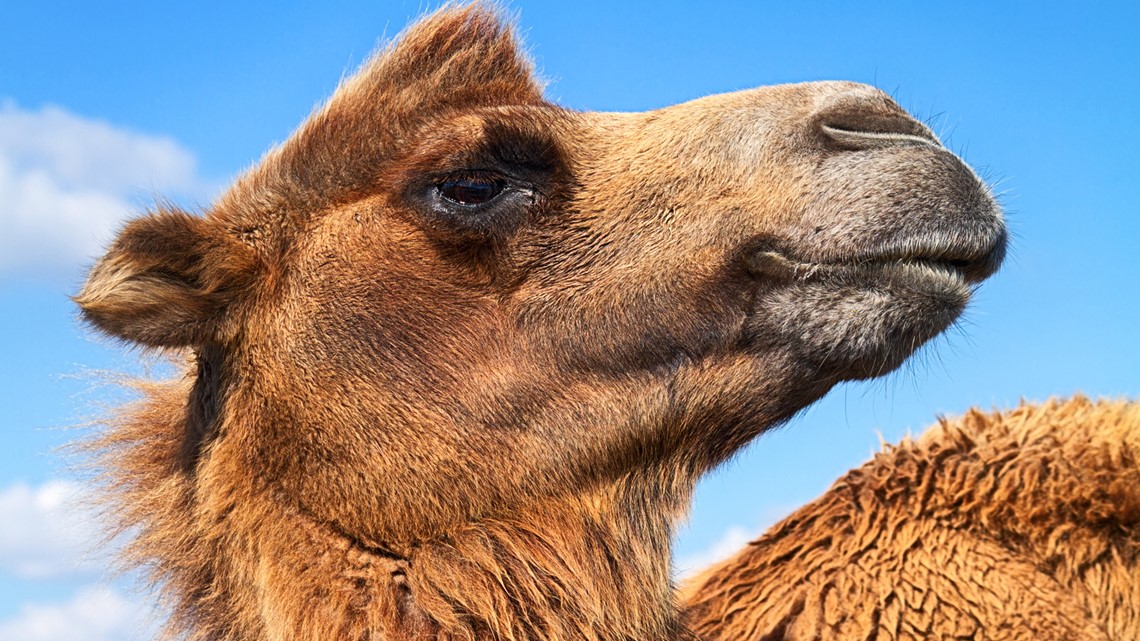
Camels, often referred to as the “ships of the desert,” are remarkable animals known for their resilience, adaptability, and vital role in the livelihoods of millions across Africa, the Middle East, Central Asia, and beyond. Whether used for transportation, racing, or as a source of milk and meat, maintaining the health of camels is paramount. One critical aspect of camel health management is the appropriate use of camel antibiotics.
We will explore everything you need to know about camel antibiotics, including their types, uses, administration, importance in disease prevention, and how to optimize their use for maximum benefit. We will also address common questions, safety concerns, and feedback from industry experts.
1. What Are Camel Antibiotics?
Camel antibiotics are medicinal substances used to treat bacterial infections in camels. They are powerful agents designed to eliminate or inhibit the growth of bacteria that cause diseases such as pneumonia, mastitis, wound infections, and other bacterial ailments.
Antibiotics for camels can be administered via injection, oral medication, or topical application, depending on the specific case and veterinarian advice.
2. The Importance of Antibiotics in Camel Health
Camels are hardy animals, but they are susceptible to various bacterial infections that can severely impact their health, productivity, and racing performance. Proper use of antibiotics helps:
- Prevent the spread of infectious diseases
- Accelerate recovery from bacterial infections
- Reduce mortality rates
- Improve overall productivity (milk, meat, racing performance)
- Maintain animal welfare and prevent suffering
In regions where camels are vital for livelihoods, the judicious use of antibiotics is essential for economic stability and animal health.
3. Common Diseases in Camels Requiring Antibiotics
Understanding common diseases helps in prompt diagnosis and treatment. Some prevalent bacterial infections requiring antibiotics include:
a. Pneumonia
Respiratory infections caused by bacteria such as Pasteurella, Mannheimia, and Mycoplasma species.
b. Mastitis
Bacterial infection of the udder, often caused by Staphylococcus or Streptococcus species.
c. Wound and Skin Infections
Infections from cuts, abrasions, or injuries caused by bacteria like Staphylococcus and Clostridium.
d. Foot Rot
Bacterial invasion leading to inflammation and infection in the hoof.
e. Septicemia
Blood infections caused by systemic bacterial dissemination.
f. Enteritis
Bacterial infections leading to diarrhea, often caused by Salmonella or Escherichia coli.
4. Types of Camel Antibiotics
Selecting the right antibiotic depends on the disease, bacterial strain, and local regulations. Here are common classes used in camel medicine:
a. Penicillins
- Examples: Penicillin G, Penicillin V
- Uses: Wound infections, pneumonia, mastitis
- Mode of Action: Inhibits bacterial cell wall synthesis
b. Tetracyclines
- Examples: Doxycycline, Oxytetracycline
- Uses: Respiratory infections, tick-borne diseases
- Mode of Action: Inhibits bacterial protein synthesis
c. Sulfonamides
- Examples: Sulfadiazine, Sulfamethoxazole
- Uses: Bacterial pneumonia, urinary tract infections
- Mode of Action: Inhibits bacterial folic acid synthesis
d. Aminoglycosides
- Examples: Gentamicin, Amikacin
- Uses: Septicemia, wound infections
- Mode of Action: Binds to bacterial ribosomes, inhibiting protein synthesis
e. Macrolides
- Examples: Erythromycin, Azithromycin
- Uses: Respiratory infections, skin infections
- Mode of Action: Inhibits bacterial protein synthesis
f. Cephalosporins
- Examples: Ceftriaxone, Cefazolin
- Uses: Severe infections, resistant bacterial strains
- Mode of Action: Disrupts bacterial cell wall synthesis
5. How to Properly Use Camel Antibiotics
Effective and safe antibiotic use requires proper dosing, administration, and adherence to guidelines:
a. Diagnosis
Consult a qualified veterinarian for accurate diagnosis before administering antibiotics.
b. Correct Dosage
Follow veterinarian-prescribed dosages based on weight and severity.
c. Administration Routes
Injectables are common; ensure sterile techniques. Oral medications should be given with clean water and proper dosing.
d. Duration of Treatment
Complete the full course of antibiotics even if symptoms improve earlier to prevent resistance.
e. Storage
Store antibiotics in a cool, dry place away from sunlight.
f. Record Keeping
Maintain records of antibiotic administration for each animal for future reference and compliance.
6. Signs That Your Camel Needs Antibiotics
Early detection can save lives. Watch for:
- Persistent cough or nasal discharge
- Swelling, abscesses, or wounds that worsen
- Fever or lethargy
- Loss of appetite
- Unusual discharges or foul smell
- Lameness or hoof issues
Prompt veterinary intervention is essential when these signs appear.
7. Risks of Improper Antibiotic Use
Misuse can lead to:
- Antibiotic resistance
- Residues in meat and milk
- Allergic reactions
- Suppressed immune response
- Worsening of infections
Always adhere to veterinary guidance to minimize these risks.
8. Antibiotic Resistance in Camels
Antibiotic resistance is a growing concern globally. Overuse or misuse of antibiotics in camels can contribute to resistant bacterial strains, complicating future treatments.
Prevention tips:
- Use antibiotics only when prescribed
- Follow dosage and duration instructions
- Avoid unnecessary use
- Implement good hygiene practices
9. Regulations and Legal Aspects of Camel Antibiotics
Many countries regulate the sale and use of antibiotics. Ensure compliance with local laws to avoid legal penalties and ensure animal safety.
Key points:
- Obtain antibiotics legally through licensed veterinarians
- Observe withdrawal periods before slaughter or milk collection
- Keep records of medication use
10. Best Practices for Camel Antibiotics Management
a. Prevention over Treatment
Implement vaccination, good nutrition, and hygiene to reduce disease incidence.
b. Regular Health Checks
Routine veterinary visits can catch infections early.
c. Proper Disposal
Dispose of unused antibiotics and contaminated materials safely.
d. Education
Train staff and handlers on responsible antibiotic use.
11. Expert Opinions on Camel Antibiotics
Veterinarians and camel breeders emphasize:
- The importance of targeted therapy based on culture and sensitivity tests
- Avoiding prophylactic use of antibiotics
- Combining antibiotics with supportive care
- Investing in preventive measures like vaccination and hygiene
Feedback from industry experts:
“Responsible antibiotic use is vital to preserve their efficacy for future generations of camels,” says Dr. Ahmed, a renowned veterinarian specializing in camel health.
12. Frequently Asked Questions (FAQs)
Q1: Can I use human antibiotics on camels?
A: No. Human antibiotics are not approved for animals and can be unsafe. Always consult a veterinarian.
Q2: How long does it take for antibiotics to work?
A: It varies; some infections improve within 48-72 hours, but complete treatment should be followed as advised.
Q3: Are there natural alternatives to antibiotics?
A: Some herbal remedies may support health but are not substitutes for antibiotics in bacterial infections.
Q4: How do I know if an antibiotic is effective?
A: Response includes symptom improvement; however, veterinary testing confirms bacterial sensitivity.
Q5: What are the signs of antibiotic resistance?
A: Persistent infections despite treatment, or recurring infections, may indicate resistance.
13. Feedback and Recommendations from Camel Breeders and Veterinarians
- Always prioritize disease prevention through vaccination and hygiene.
- Use antibiotics responsibly to avoid resistance.
- Invest in training staff on proper medication protocols.
- Keep detailed records of all treatments.
- Regularly consult with veterinary professionals.
14. Ensuring Healthy Camels Through Proper Antibiotic Use
Camel health is integral to the livelihoods of millions worldwide. While antibiotics are powerful tools in combating bacterial infections, their misuse can have serious consequences. Responsible, informed, and veterinarian-guided use of camel antibiotics ensures effective treatment, preserves their efficacy, and promotes the overall well-being of these remarkable animals.
By adhering to best practices, staying informed about current regulations, and emphasizing prevention, camel owners can safeguard their animals’ health and ensure optimal performance in racing, milk production, and transportation.
Final Thoughts
Remember: Antibiotics are not a cure-all. They are part of a comprehensive health management plan that includes proper nutrition, hygiene, vaccination, and regular veterinary care. Always consult qualified professionals before administering any medication to your camels.
Related Feedback and Comments
Q: How often should I administer antibiotics to my racing camel?
A: Only when prescribed by a veterinarian based on diagnosed infection. Overuse can lead to resistance.
Q: Are there specific antibiotics recommended for racing camels?
A: The choice depends on the infection. Veterinarians select the most effective and safe options.
Q: Can I prevent bacterial infections through better management?
A: Yes. Good hygiene, vaccination, and proper nutrition significantly reduce infection risks.
For more detailed guidance, always consult a qualified camel veterinarian and adhere to local regulations.