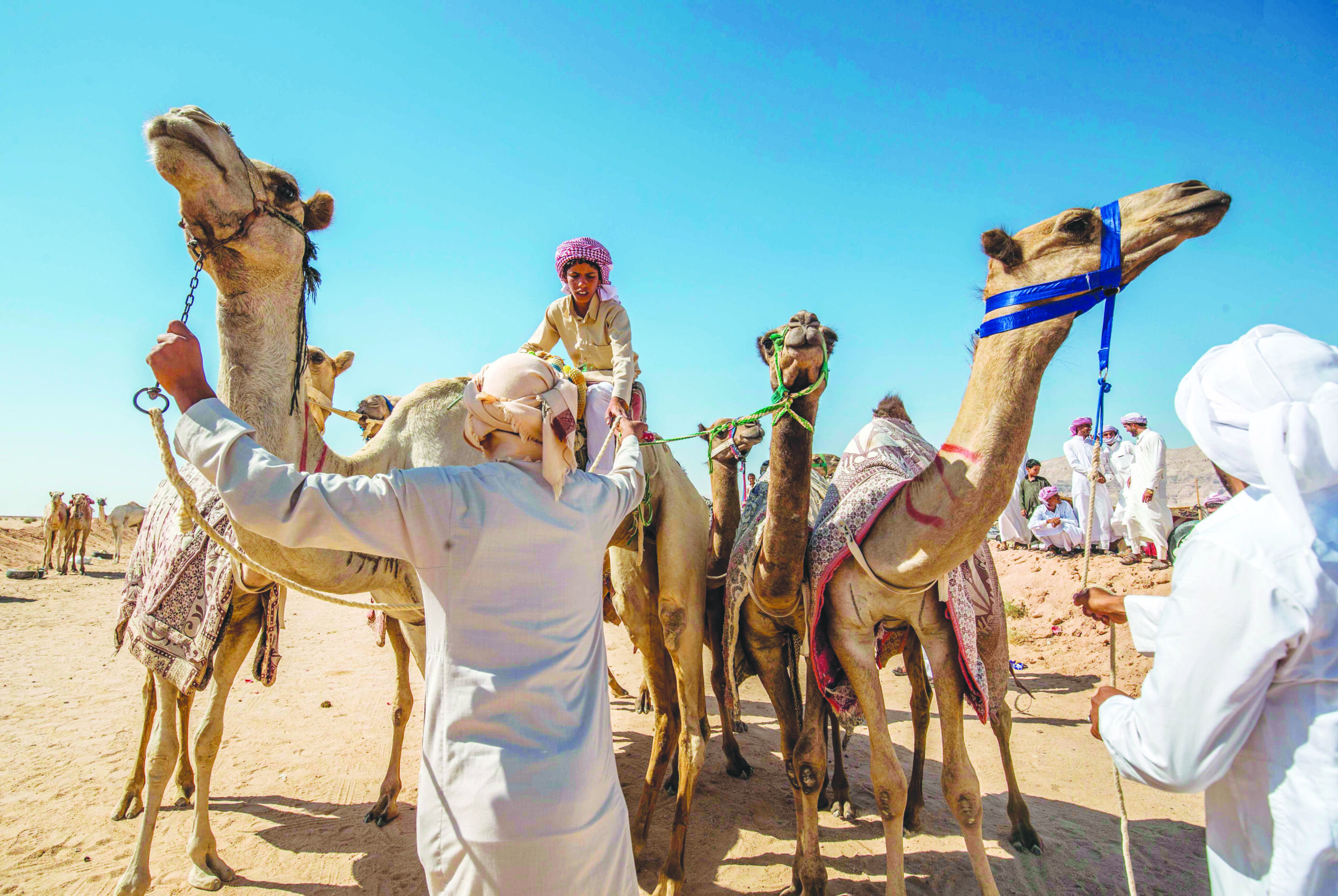
Camel racing is more than just a sport; it’s a cultural heritage deeply rooted in Middle Eastern traditions. Among the many nations where camel racing thrives, Oman stands out with its unique style, vibrant history, and passionate community. Specifically, Omani dromedary camel racing has gained international attention, blending age-old practices with modern innovations. Whether you’re a tourist interested in experiencing authentic Omani culture or a researcher exploring desert sports, this guide provides everything you need to know about Omani dromedary camel racing.
What is Omani Dromedary Camel Racing?
Omani dromedary camel racing is an exhilarating sport involving specially bred camels competing in speed and endurance across desert tracks. Unlike traditional horse racing, camel racing in Oman emphasizes agility, stamina, and the deep-rooted cultural significance attached to these majestic animals.
The Significance of Camel Racing in Oman
Camel racing in Oman is more than entertainment; it’s a symbol of national pride and tradition. It connects generations, preserves cultural heritage, and boosts local economies. The sport also plays a vital role in social cohesion, bringing communities together to celebrate their shared history.
The History and Evolution of Camel Racing in Oman
Camel racing has ancient origins in the Arabian Peninsula, dating back thousands of years. Historically, it was a way for Bedouin tribes to showcase their herds’ strength and speed. Over time, the sport evolved from informal competitions to organized events with official rules and international recognition.
Key milestones in Omani camel racing history:
- Pre-Islamic era: Camels as vital assets for survival and warfare.
- 20th century: Formalization of races and introduction of standards.
- Modern era: Adoption of technology such as robot jockeys and GPS tracking.
The Unique Aspects of Omani Dromedary Camels
Oman is renowned for its high-quality racing camels, often called Arabian racing camels. Here’s what makes them unique:
- Breed Characteristics: Tall, agile, and muscular with a distinctive single hump (dromedary).
- Training Regimes: Intense conditioning involving diet, exercise, and mental stimulation.
- Genetic Traits: Selective breeding emphasizes speed, endurance, and temperament.
What makes Omani camels stand out in the racing world? Their adaptability to desert conditions and the meticulous breeding practices contribute to their exceptional performance.
How Omani Camel Racing is Organized
Camel racing events in Oman are held across various regions, with the most prominent being:
- Nizwa Camel Racecourse
- Al-Rustaq Camel Racecourse
- Salalah Camel Race Festival
The Race Day Experience
From early morning preparations to the final race, the event is a spectacle of tradition and modernity. Spectators enjoy vibrant markets, cultural shows, and the thrill of witnessing powerful camels in action.
The Role of Jockeys and Robot Jockeys
Traditional jockeys, often young boys, used to ride camels manually. However, due to ethical concerns, robot jockeys have become prevalent, controlled remotely to ensure animal welfare and enhance safety.
Innovative Technologies in Omani Camel Racing
Modernization has significantly transformed camel racing in Oman. Some key technological advancements include:
- Robot Jockeys: Remote-controlled devices that replace human jockeys, ensuring animal welfare.
- GPS and Track Monitoring: Real-time tracking of camel speed, position, and performance analytics.
- Data Analytics: Usage of software to analyze race data, optimize training, and improve performance.
Question: How has the adoption of robot jockeys and technology impacted the traditional camel racing culture in Oman?
Feedback: Embracing technology has improved safety and fairness, but balancing tradition with innovation remains essential to preserve cultural authenticity.
The Economics of Camel Racing in Oman
Camel racing is a lucrative industry with various revenue streams:
- Race Winnings: Prize money from regional and national races.
- Breeding and Sale: High-value camels are bred, sold, or leased.
- Tourism: Races attract tourists, boosting local economies.
- Merchandise and Sponsorships: Ranging from racing gear to event sponsorships.
How do local breeders and handlers prepare their camels for competitive racing? They invest heavily in nutrition, veterinary care, and training regimens, often collaborating with experts.
Training and Care for Racing Camels
Training is critical for success in Omani camel racing. It involves:
- Diet: High-protein feed, hydration, and supplements.
- Exercise: Gradual conditioning to build stamina.
- Health Care: Regular veterinary check-ups and preventive medicine.
- Mental Stimulation: Exposure to race conditions and environmental challenges.
Question: What are the best practices for ensuring the health and performance of racing camels?
Feedback: A balanced approach combining nutrition, health care, and psychological conditioning ensures optimal performance.
Ethical Considerations and Animal Welfare
Camel racing has faced scrutiny regarding the welfare of young jockeys and the treatment of camels. Oman has taken steps to address these concerns:
- Ban on Child Jockeys: Implementing robot jockeys to replace child riders.
- Animal Welfare Laws: Regulations that mandate humane treatment and veterinary oversight.
- Public Awareness Campaigns: Promoting ethical racing practices.
Question: How can camel racing in Oman continue to evolve ethically while preserving its cultural significance?
Feedback: Continuous engagement with communities, enforcement of welfare laws, and embracing humane technology are vital.
Tourism and Cultural Promotion
Camel racing is a major attraction for tourists visiting Oman. Visitors can:
- Attend races and festivals.
- Experience traditional Bedouin hospitality.
- Explore camel breeding farms and training centers.
- Participate in cultural workshops and markets.
Why is camel racing an effective tool for promoting Omani culture globally? It showcases the nation’s rich history, hospitality, and unique desert lifestyle.
Challenges Facing Omani Camel Racing
Despite its popularity, camel racing faces several challenges:
- Environmental Impact: Desert habitat preservation amid increasing tourism.
- Animal Welfare Concerns: Ensuring ethical treatment of camels.
- Technological Disruption: Balancing tradition with modern innovations.
- Economic Fluctuations: Impact of global market changes on breeding and racing.
What measures can be taken to address these challenges? Sustainable practices, strict welfare laws, and community engagement are essential.
The Future of Omani Dromedary Camel Racing
The future appears promising with ongoing modernization and increased global interest. Innovations in technology, alongside cultural preservation efforts, will shape the sport’s evolution.
Potential developments include:
- Virtual reality experiences for remote viewers.
- International camel racing leagues.
- Enhanced animal welfare standards integrated with traditional practices.
Frequently Asked Questions (FAQs)
1. What makes Omani dromedary camel racing unique compared to other Middle Eastern countries?
Oman’s emphasis on humane racing practices, technological integration, and rich cultural traditions make its camel racing scene distinct.
2. How can tourists participate in camel racing events in Oman?
Visitors can attend races at major racecourses, participate in cultural festivals, and even experience camel riding tours.
3. Are there opportunities for breeding and purchasing racing camels in Oman?
Yes, numerous breeders and farms offer high-quality racing camels for sale or lease, often during racing festivals.
4. How does technology improve the fairness of camel races?
Remote-controlled robot jockeys and GPS tracking ensure unbiased, humane, and transparent competitions.
Conclusion
Omani dromedary camel racing stands as a testament to Oman’s rich cultural heritage, innovative spirit, and deep-rooted traditions. As the sport continues to evolve with technological advancements, it remains a captivating spectacle that bridges the past and future. Whether you’re a racing enthusiast, a cultural explorer, or a tourism promoter, understanding the nuances of Omani camel racing offers a unique window into the heart of Oman’s desert life.
Related Feedback and Engagement
- Have you attended an Omani camel race? Share your experiences!
- What do you think about the integration of robotics in traditional sports?
- How can Oman balance modernization with cultural preservation?
For more insights into camel racing, breeding, and related supplements, visit Miraduck Solutions.