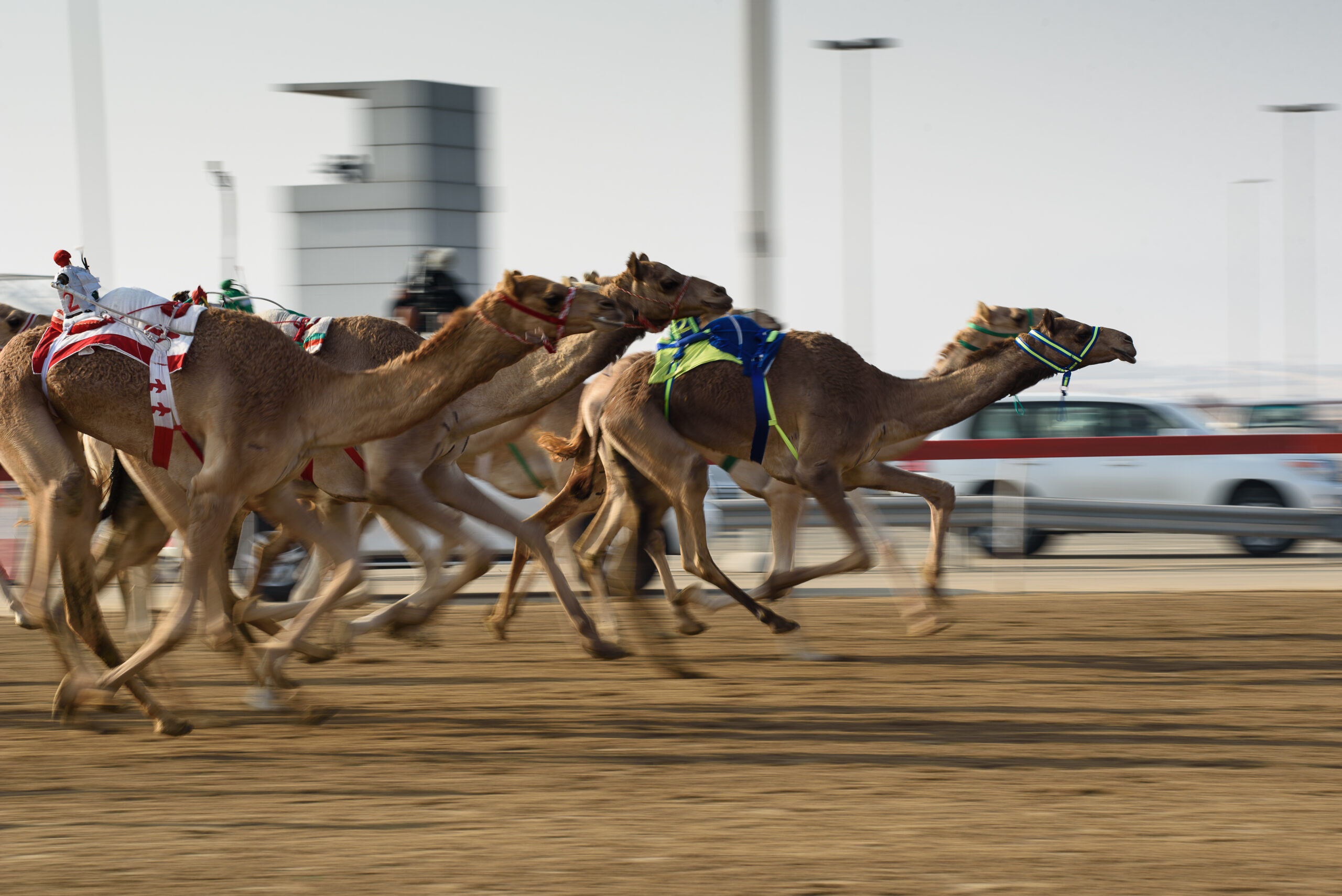
Arabian Camel Racing, Camel Racing,

Arabian Camel Racing: The Fascinating World of Desert’s Fastest Beasts

Camel racing is an ancient sport that has captured the imagination of many across the Middle East and beyond. Among the various types of camel racing, Arabian Camel Racing stands out as a prestigious and culturally significant activity, deeply rooted in Arabian traditions. This sport not only showcases the speed and agility of camels but also reflects the rich heritage, technological advancements, and modern innovations that have transformed it into a world-class spectacle.

In this comprehensive guide, we will delve into the captivating world of Camel Racing, exploring its history, rules, breeding, training, technology, and its role in contemporary society. Whether you’re a passionate enthusiast, a researcher, or someone curious about this unique sport, this article aims to provide an in-depth understanding of what makes Camel Racing a remarkable phenomenon in the middleeast.


What Is Arabian Camel Racing?

Arabian Camel Racing is a competitive sport where specially trained camels race over a set distance, often ranging from 4 to 12 kilometers. It is a sport that combines tradition, innovation, and athleticism, attracting thousands of spectators and participants from across the Middle East and worldwide.

Key Features of Arabian Camel Racing:

  • Fast-paced and competitive: Camels can reach speeds of up to 65 km/h (40 mph).
  • Use of technology: Modern racing incorporates GPS tracking, timing systems, and synthetic tracks.
  • Cultural significance: Reflects Bedouin heritage and Arabian hospitality.
  • Betting and entertainment: A popular form of entertainment and gambling in the region.

Historical Background and Cultural Significance

Camel racing has ancient origins, dating back over a thousand years in the Arabian Peninsula. Historically, camels were vital for transportation, trade, and survival in harsh desert environments. Over time, they became symbols of status and prowess.

Origins:

  • The earliest recorded camel races date back to the 7th century.
  • Bedouin tribes organized races to showcase their camel’s strength and speed.
  • Races were part of tribal festivals and social gatherings.

Cultural Significance:

  • Camel racing is intertwined with Arabian hospitality and pride.
  • The sport is celebrated during national festivals and cultural events.
  • It promotes the preservation of Bedouin traditions and craftsmanship.

The Evolution of Camel Racing Technology

In recent decades, Arabian Camel Racing has undergone a technological revolution, transforming it from a traditional sport into a sophisticated industry.

Technological Advancements:

  • Synthetic Tracks: Modern racecourses are equipped with synthetic surfaces for safety and consistency.
  • GPS and Tracking Devices: Real-time monitoring of camel speed and position.
  • Timing Systems: Precise electronic timers improve race accuracy.
  • Synthetic Breeding and Genetic Selection: Enhances performance qualities.
  • Mechanical Jockeys: In some regions, robot jockeys are used to improve animal welfare and reduce human exploitation.

Impact of Technology:

  • Increased fairness and transparency.
  • Improved safety for camels and jockeys.
  • Enhanced betting accuracy and betting markets.
  • Global exposure of camel racing.

Breeding and Genetics of Arabian Camels

The foundation of successful Arabian Camel Racing lies in selective breeding and genetic excellence.

Breeding Goals:

  • Speed and stamina.
  • Temperament and trainability.
  • Resilience to desert climates.
  • Physical traits such as leg length and muscular build.

Breeding Programs:

  • Specialized farms focus on breeding high-performance racing camels.
  • Crossbreeding with other camel breeds to enhance traits.
  • Genetic testing to identify superior bloodlines.

Notable Breeds:

  • Baladi: A traditional breed used for racing and work.
  • Majaheem: Known for stamina and speed.
  • Khaled: Popular in elite racing circuits.

Importance:

  • Ensures competitive edge.
  • Maintains cultural heritage.
  • Promotes economic value.

Training and Preparation for Camel Races

Training is a meticulous process that involves physical conditioning, diet management, and mental stimulation.

Training Regimens:

  • Gradual increase in race distance.
  • Controlled diet rich in nutrients.
  • Regular exercise routines.
  • Behavioral training to enhance focus and obedience.

Nutrition:

  • High-protein diets.
  • Supplementation with vitamins and minerals.
  • Hydration strategies, especially in desert climates.

Veterinary Care:

  • Regular health checks.
  • Preventive measures against diseases.
  • Use of advanced veterinary medicine to enhance performance.

Race Tracks and Events

Arabian Camel Racing takes place on various race tracks across the Middle East, with some tracks renowned for their prestige and history.

Notable Race Tracks:

  • Meydan Racecourse (Dubai): Hosts some of the biggest camel racing events.
  • Abu Dhabi Racecourse: Known for high-profile races.
  • Qatar Racing & Equestrian Club: Features modern facilities.
  • Saudi Arabia’s King Abdulaziz Camel Festival: A celebration of camel culture.

Types of Races:

  • Traditional Races: Held during festivals and special occasions.
  • Seasonal Races: Regular events throughout the year.
  • Championships: National and international competitions.

Prominent Camel Racing Events in Arabia

Some events have gained international recognition for their scale and prestige.

Key Events:

  • King Abdulaziz Camel Festival (Saudi Arabia): Focuses on breeding, beauty, and racing.
  • Dubai Camel Racing Festival: A high-profile event drawing global attention.
  • Qatar National Day Camel Race: Celebrates national heritage.
  • Al Dhafra Festival (Abu Dhabi): Combines racing with cultural displays.

Cultural Festivals:

  • Camel beauty contests.
  • Traditional performances.
  • Bedouin craft exhibitions.

The Role of Jockeys and Trainers

Jockeys and trainers are crucial to the success of Arabian Camel Racing.

Jockeys:

  • Traditionally, young boys from Bedouin tribes.
  • Modern jockeys include professional riders.
  • Use of mechanical jockeys for welfare and fairness.

Trainers:

  • Develop race strategies.
  • Condition camels for peak performance.
  • Manage diet and health.

Collaboration:

  • Effective communication between jockeys and trainers enhances performance.
  • Emphasis on animal welfare and ethical practices.

Ethical Considerations and Animal Welfare

While Arabian Camel Racing is a celebrated sport, it faces scrutiny regarding animal welfare.

Welfare Concerns:

  • Overtraining and dehydration.
  • Use of whips and harsh training methods.
  • Mechanical vs. human jockeys.

Initiatives for Welfare:

  • Introduction of robot jockeys to eliminate exploitation.
  • Regulations for humane treatment.
  • Veterinary oversight during races and training.
  • Awareness campaigns promoting ethical racing.

Modern Innovations in Arabian Camel Racing

The industry continues to evolve with technological and scientific innovations.

Innovations:

  • Artificial Intelligence: For race predictions and breeding decisions.
  • Video Analytics: To analyze performance and improve training.
  • Genetic Engineering: Potential future applications.
  • Eco-friendly Tracks: Use of sustainable materials.

Impact:

  • Higher performance standards.
  • Improved animal welfare.
  • Broader international appeal.

Economic Impact of Camel Racing Industry

Camel racing is a significant contributor to the economies of Gulf countries.

Revenue Streams:

  • Ticket sales and sponsorships.
  • Betting markets.
  • Breeding and racing equipment sales.
  • Tourism and cultural festivals.

Employment:

  • Trainers, jockeys, and veterinarians.
  • Event organizers and hospitality staff.
  • Craft and merchandise vendors.

Cultural Preservation:

  • Promoting tourism.
  • Supporting local artisans and craftsmen.

Future Prospects of Arabian Camel Racing

The future of Arabian Camel Racing looks promising with ongoing modernization and global recognition.

  • Increased adoption of technology.
  • International collaborations.
  • Focus on animal welfare.
  • Sustainable racing practices.

Challenges:

  • Ethical debates.
  • Climate change impacting desert conditions.
  • Maintaining cultural authenticity amidst modernization.

Opportunities:

  • Expanding global markets.
  • Developing camel racing tourism.
  • Integrating virtual and augmented reality experiences.

How to Get Involved in Camel Racing

Interested in participating or supporting Camel Racing? Here are some pathways:

  • Becoming a breeder: Invest in high-quality bloodlines.
  • Training camels: Attend specialized training programs.
  • Supporting events: Attend festivals and races.
  • Promoting welfare: Support initiatives advocating humane practices.
  • Betting and entertainment: Engage responsibly in betting markets.

Conclusion

Arabian Camel Racing is a captivating sport that beautifully blends tradition, technology, and modernity. It preserves the cultural heritage of the Arabian Peninsula while embracing innovations that enhance safety, fairness, and performance. As the industry continues to evolve, it remains a symbol of Arabian pride and ingenuity, drawing enthusiasts and spectators from around the world.

Whether you are an enthusiast, a researcher, or a casual observer, understanding the intricacies of Arabian Camel Racing enriches your appreciation of this unique and dynamic sport. Embrace the tradition, admire the technology, and celebrate the spirit of the desert’s fastest beasts.


References

Thoroughbred Racing Solutions, Thoroughbred Racing ,

Thoroughbred Racing Solutions: Unlocking Excellence in Equine Sports

Thoroughbred racing is more than just a sport; it’s a tradition that combines speed, strategy, and dedication. As the industry evolves, so do the challenges and opportunities faced by trainers, owners, and racing organizations. To stay ahead in this competitive landscape, implementing innovative Thoroughbred Racing is crucial. This comprehensive guide explores the latest advancements, technologies, and strategies designed to optimize performance, enhance safety, and maximize profitability in thoroughbred racing.

In this article, we delve into the core aspects of thoroughbred racing solutions, including data analytics, health management, training methodologies, technological innovations, and industry best practices. Whether you’re a seasoned professional or new to the industry, understanding and leveraging these solutions can significantly impact your horse racing success.


1. The Evolution of Thoroughbred Racing

Thoroughbred racing has a rich history dating back centuries, evolving from simple competitions to a highly sophisticated industry. Technological advancements have transformed how trainers, owners, and racing authorities approach the sport.

From traditional training methods to data-driven strategies, the industry now emphasizes precision, safety, and sustainability. The integration of digital tools and analytics has opened new horizons for optimizing race performance and managing equine health.

Key milestones in the evolution include:

  • Introduction of synthetic racetrack surfaces
  • Adoption of GPS and wearable technology
  • Development of sophisticated training simulators
  • Implementation of health monitoring devices
  • Use of artificial intelligence for predictive analytics

Understanding this evolution underscores the importance of adopting modern Thoroughbred Racing Solutions to remain competitive.


2. What Are Thoroughbred Racing Solutions?

Thoroughbred Racing Solutions encompass a broad range of products, services, and technologies designed to enhance every aspect of horse racing. These solutions aim to improve performance, ensure safety, streamline operations, and increase profitability.

Core categories include:

  • Data analytics and performance tracking
  • Health and welfare management systems
  • Advanced training equipment
  • Infrastructure and facility management
  • Digital marketing and fan engagement platforms
  • Regulatory compliance tools

By integrating these solutions, stakeholders can make informed decisions, optimize training schedules, monitor health status, and ultimately achieve better racing outcomes.


3. The Importance of Data Analytics in Racing

Data analytics has revolutionized thoroughbred racing, enabling precise insights into horse performance, training effectiveness, and race strategies.

Why Data Analytics Matters

  • Performance Optimization: Analyzing speed, heart rate, stride length, and other metrics helps tailor training programs.
  • Injury Prevention: Early detection of signs of fatigue or strain can prevent injuries.
  • Race Strategy Development: Historical data guides jockeys and trainers in making tactical decisions.
  • Breeding Decisions: Performance data informs breeding choices to enhance future generations.

Tools and Technologies

  • Wearable Devices: GPS trackers, heart rate monitors, accelerometers.
  • Performance Software: Platforms that aggregate and visualize data for analysis.
  • Machine Learning Models: Predictive analytics for race outcomes and health risks.

Investing in robust data analytics systems is a cornerstone of effective Thoroughbred Racing Solutions.


4. Advanced Training Technologies

Modern training methods leverage technology to improve horse conditioning and rider performance.

Virtual Reality and Simulation

  • Simulation Software: Mimics race conditions for training without physical strain.
  • VR Environments: Allow jockeys and trainers to practice tactics virtually.

Mechanical and Automated Equipment

  • Treadmills and Equine Circuits: Designed for controlled, adjustable exercise routines.
  • Automated Lungeing Systems: Help in warm-up and cool-down processes.

Benefits of Training Technologies

  • Enhanced consistency in training sessions
  • Reduced risk of overtraining
  • Precise control over exercise variables
  • Improved adaptation to race conditions

Incorporating these solutions leads to smarter, safer, and more effective training regimes.


5. Equine Health and Welfare Management

The health and welfare of thoroughbred horses are paramount. Modern Thoroughbred Racing Solutions emphasize proactive health management through innovative tools.

Health Monitoring Devices

  • Wearable Sensors: Track vital signs, movement patterns, and hydration levels.
  • Infrared Thermography: Detects inflammation or injuries early.
  • Electronic Medical Records: Maintain comprehensive health histories.

Preventive Care Strategies

  • Regular veterinary check-ups
  • Vaccination protocols
  • Nutritional assessments
  • Stress reduction techniques

Welfare Certification Programs

Organizations now offer certifications ensuring horses are kept in humane and safe conditions, which also enhances the reputation of racing operations.


6. Performance Monitoring and Tracking

Continuous monitoring allows trainers and owners to make data-driven decisions.

Key Performance Indicators (KPIs)

  • Speed metrics
  • Heart rate variability
  • Stride analysis
  • Recovery times

Tracking Technologies

  • GPS collars with real-time data transmission
  • Mobile apps for instant updates
  • Cloud-based dashboards for comprehensive analysis

Benefits

  • Early detection of performance decline
  • Personalized training adjustments
  • Better race day readiness assessments

Performance tracking solutions are essential for maximizing a horse’s potential.


7. Nutritional Strategies for Optimal Performance

Nutrition plays a vital role in maintaining peak performance.

Modern Nutritional Solutions

  • Customized feeding plans based on performance data
  • Supplementation with vitamins, minerals, and electrolytes
  • Use of digestive health enhancers
  • Incorporation of natural and organic feed options

Innovative Feeding Equipment

  • Automated feeders for precise portion control
  • Hydration monitoring systems

Proper nutrition supports recovery, endurance, and overall health, making it a key component of Thoroughbred Racing Solutions.


8. Racing Infrastructure and Facility Management

State-of-the-art facilities contribute significantly to horse performance and safety.

Features of Modern Racing Facilities

  • Well-maintained tracks with optimal surfaces
  • Climate-controlled stables
  • Advanced drainage systems
  • On-site veterinary clinics

Facility Management Technologies

  • Building automation systems
  • Security surveillance
  • Environmental monitoring sensors

Investing in top-tier infrastructure enhances safety, reduces injury risks, and attracts higher-caliber horses and trainers.


9. Innovative Equipment and Gear

From racing saddles to hoof boots, equipment quality influences performance and safety.

Cutting-Edge Gear

  • Lightweight, ergonomic saddles
  • Impact-resistant helmets
  • Custom-fitted racing shoes
  • Wear-resistant leg wraps

Smart Equipment

  • Sensors embedded in gear for performance feedback
  • Quick-release systems for safety

Adopting innovative equipment aligns with the broader goal of delivering Thoroughbred Racing Solutions that prioritize safety and efficiency.


10. Risk Management and Safety Protocols

Mitigating risks is critical in thoroughbred racing.

Safety Technologies

  • Track monitoring cameras
  • Emergency response systems
  • Automated flag warning systems

Protocols and Training

  • Regular safety drills
  • Rider and trainer certifications
  • Injury response plans

A comprehensive risk management framework ensures the well-being of horses, jockeys, and staff, fostering a safe racing environment.


11. Regulatory Compliance and Industry Standards

Adherence to industry regulations is non-negotiable.

Key Regulatory Bodies

  • The Jockey Club
  • The Racing Commissioners International
  • International Federation of Horseracing Authorities

Compliance Tools

  • Electronic licensing and registration systems
  • Data management platforms for audit trails
  • Reporting software for incident documentation

Staying compliant minimizes legal risks and promotes industry integrity.


12. Digital Marketing and Branding for Racing Operations

Building a strong brand attracts sponsors, owners, and fans.

Strategies

  • Social media campaigns showcasing race highlights
  • Live streaming of events
  • Interactive websites with real-time data
  • Fan engagement apps

Analytics for Marketing

  • Audience demographics
  • Engagement metrics
  • Conversion rates

Effective digital marketing amplifies the reach and profitability of racing operations.


The industry’s future will be shaped by emerging technologies and societal shifts.

  • Artificial Intelligence and Machine Learning
  • Blockchain for transparent transactions
  • Virtual and augmented reality experiences
  • Sustainable racing practices
  • Enhanced data privacy and cybersecurity measures

Embracing these trends ensures long-term competitiveness and innovation.


14. How to Choose the Right Thoroughbred Racing Solutions Provider

Selecting a reliable partner is essential.

Criteria

  • Industry experience and reputation
  • Range of solutions offered
  • Customization capabilities
  • Support and training services
  • Cost-effectiveness

Due Diligence

  • Review case studies and client testimonials
  • Conduct site visits
  • Request demonstrations and trial periods

A strategic partnership enhances the effectiveness of your Thoroughbred Racing Solutions.


15. Case Studies: Successful Implementation of Racing Solutions

Case Study 1: A leading racing stable integrated performance analytics, resulting in a 15% increase in race wins.

Case Study 2: An equine health management system reduced injury rates by 20% across a racing organization.

Case Study 3: Adoption of advanced training simulators improved jockey decision-making and reduced training time.

These examples demonstrate the tangible benefits of investing in comprehensive racing solutions.


16. Driving Success with Thoroughbred Racing Solutions

In the highly competitive world of thoroughbred racing, leveraging innovative Thoroughbred Racing Solutions is no longer optional—it’s essential. From data analytics and health management to infrastructure and marketing, integrating these solutions can elevate your racing operations to new heights.

By staying abreast of industry trends, investing in cutting-edge technology, and partnering with reputable providers, you position yourself for long-term success, safety, and sustainability.

Embrace the future of thoroughbred racing today—maximize performance, safeguard your horses, and lead the industry with confidence.


Call to Action

Are you ready to transform your thoroughbred racing operations? Contact us today to discover how our tailored Thoroughbred Racing Solutions can help you achieve your racing goals!


Note: For more insights and updates on horse racing and innovative solutions, visit Miraduck Solutions.