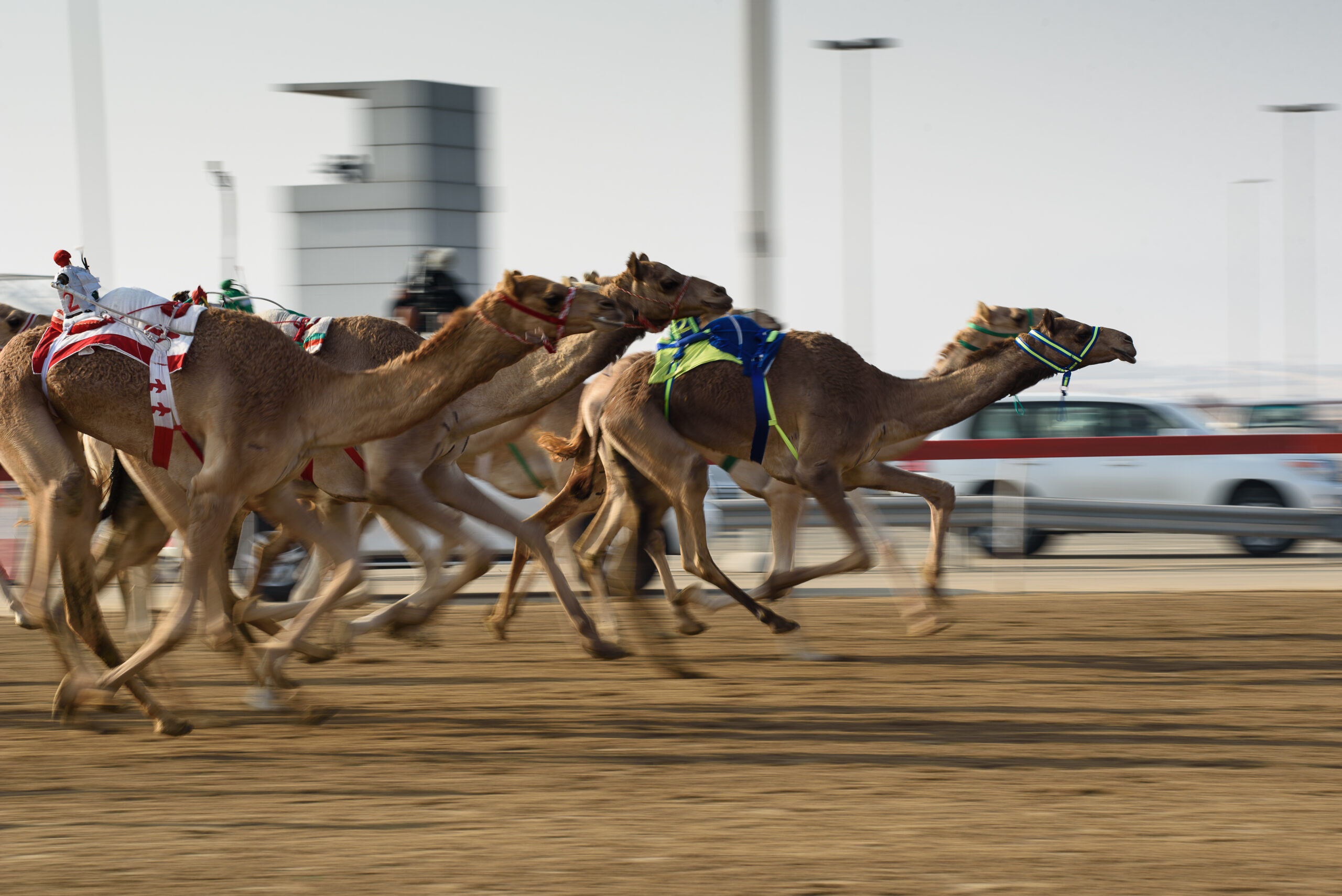
Camel racing is an ancient sport that has captured the imagination of many across the Middle East and beyond. Among the various types of camel racing, Arabian Camel Racing stands out as a prestigious and culturally significant activity, deeply rooted in Arabian traditions. This sport not only showcases the speed and agility of camels but also reflects the rich heritage, technological advancements, and modern innovations that have transformed it into a world-class spectacle.
In this comprehensive guide, we will delve into the captivating world of Camel Racing, exploring its history, rules, breeding, training, technology, and its role in contemporary society. Whether you’re a passionate enthusiast, a researcher, or someone curious about this unique sport, this article aims to provide an in-depth understanding of what makes Camel Racing a remarkable phenomenon in the middleeast.
What Is Arabian Camel Racing?
Arabian Camel Racing is a competitive sport where specially trained camels race over a set distance, often ranging from 4 to 12 kilometers. It is a sport that combines tradition, innovation, and athleticism, attracting thousands of spectators and participants from across the Middle East and worldwide.
Key Features of Arabian Camel Racing:
- Fast-paced and competitive: Camels can reach speeds of up to 65 km/h (40 mph).
- Use of technology: Modern racing incorporates GPS tracking, timing systems, and synthetic tracks.
- Cultural significance: Reflects Bedouin heritage and Arabian hospitality.
- Betting and entertainment: A popular form of entertainment and gambling in the region.
Historical Background and Cultural Significance
Camel racing has ancient origins, dating back over a thousand years in the Arabian Peninsula. Historically, camels were vital for transportation, trade, and survival in harsh desert environments. Over time, they became symbols of status and prowess.
Origins:
- The earliest recorded camel races date back to the 7th century.
- Bedouin tribes organized races to showcase their camel’s strength and speed.
- Races were part of tribal festivals and social gatherings.
Cultural Significance:
- Camel racing is intertwined with Arabian hospitality and pride.
- The sport is celebrated during national festivals and cultural events.
- It promotes the preservation of Bedouin traditions and craftsmanship.
The Evolution of Camel Racing Technology
In recent decades, Arabian Camel Racing has undergone a technological revolution, transforming it from a traditional sport into a sophisticated industry.
Technological Advancements:
- Synthetic Tracks: Modern racecourses are equipped with synthetic surfaces for safety and consistency.
- GPS and Tracking Devices: Real-time monitoring of camel speed and position.
- Timing Systems: Precise electronic timers improve race accuracy.
- Synthetic Breeding and Genetic Selection: Enhances performance qualities.
- Mechanical Jockeys: In some regions, robot jockeys are used to improve animal welfare and reduce human exploitation.
Impact of Technology:
- Increased fairness and transparency.
- Improved safety for camels and jockeys.
- Enhanced betting accuracy and betting markets.
- Global exposure of camel racing.
Breeding and Genetics of Arabian Camels
The foundation of successful Arabian Camel Racing lies in selective breeding and genetic excellence.
Breeding Goals:
- Speed and stamina.
- Temperament and trainability.
- Resilience to desert climates.
- Physical traits such as leg length and muscular build.
Breeding Programs:
- Specialized farms focus on breeding high-performance racing camels.
- Crossbreeding with other camel breeds to enhance traits.
- Genetic testing to identify superior bloodlines.
Notable Breeds:
- Baladi: A traditional breed used for racing and work.
- Majaheem: Known for stamina and speed.
- Khaled: Popular in elite racing circuits.
Importance:
- Ensures competitive edge.
- Maintains cultural heritage.
- Promotes economic value.
Training and Preparation for Camel Races
Training is a meticulous process that involves physical conditioning, diet management, and mental stimulation.
Training Regimens:
- Gradual increase in race distance.
- Controlled diet rich in nutrients.
- Regular exercise routines.
- Behavioral training to enhance focus and obedience.
Nutrition:
- High-protein diets.
- Supplementation with vitamins and minerals.
- Hydration strategies, especially in desert climates.
Veterinary Care:
- Regular health checks.
- Preventive measures against diseases.
- Use of advanced veterinary medicine to enhance performance.
Race Tracks and Events
Arabian Camel Racing takes place on various race tracks across the Middle East, with some tracks renowned for their prestige and history.
Notable Race Tracks:
- Meydan Racecourse (Dubai): Hosts some of the biggest camel racing events.
- Abu Dhabi Racecourse: Known for high-profile races.
- Qatar Racing & Equestrian Club: Features modern facilities.
- Saudi Arabia’s King Abdulaziz Camel Festival: A celebration of camel culture.
Types of Races:
- Traditional Races: Held during festivals and special occasions.
- Seasonal Races: Regular events throughout the year.
- Championships: National and international competitions.
Prominent Camel Racing Events in Arabia
Some events have gained international recognition for their scale and prestige.
Key Events:
- King Abdulaziz Camel Festival (Saudi Arabia): Focuses on breeding, beauty, and racing.
- Dubai Camel Racing Festival: A high-profile event drawing global attention.
- Qatar National Day Camel Race: Celebrates national heritage.
- Al Dhafra Festival (Abu Dhabi): Combines racing with cultural displays.
Cultural Festivals:
- Camel beauty contests.
- Traditional performances.
- Bedouin craft exhibitions.
The Role of Jockeys and Trainers
Jockeys and trainers are crucial to the success of Arabian Camel Racing.
Jockeys:
- Traditionally, young boys from Bedouin tribes.
- Modern jockeys include professional riders.
- Use of mechanical jockeys for welfare and fairness.
Trainers:
- Develop race strategies.
- Condition camels for peak performance.
- Manage diet and health.
Collaboration:
- Effective communication between jockeys and trainers enhances performance.
- Emphasis on animal welfare and ethical practices.
Ethical Considerations and Animal Welfare
While Arabian Camel Racing is a celebrated sport, it faces scrutiny regarding animal welfare.
Welfare Concerns:
- Overtraining and dehydration.
- Use of whips and harsh training methods.
- Mechanical vs. human jockeys.
Initiatives for Welfare:
- Introduction of robot jockeys to eliminate exploitation.
- Regulations for humane treatment.
- Veterinary oversight during races and training.
- Awareness campaigns promoting ethical racing.
Modern Innovations in Arabian Camel Racing
The industry continues to evolve with technological and scientific innovations.
Innovations:
- Artificial Intelligence: For race predictions and breeding decisions.
- Video Analytics: To analyze performance and improve training.
- Genetic Engineering: Potential future applications.
- Eco-friendly Tracks: Use of sustainable materials.
Impact:
- Higher performance standards.
- Improved animal welfare.
- Broader international appeal.
Economic Impact of Camel Racing Industry
Camel racing is a significant contributor to the economies of Gulf countries.
Revenue Streams:
- Ticket sales and sponsorships.
- Betting markets.
- Breeding and racing equipment sales.
- Tourism and cultural festivals.
Employment:
- Trainers, jockeys, and veterinarians.
- Event organizers and hospitality staff.
- Craft and merchandise vendors.
Cultural Preservation:
- Promoting tourism.
- Supporting local artisans and craftsmen.
Future Prospects of Arabian Camel Racing
The future of Arabian Camel Racing looks promising with ongoing modernization and global recognition.
Trends:
- Increased adoption of technology.
- International collaborations.
- Focus on animal welfare.
- Sustainable racing practices.
Challenges:
- Ethical debates.
- Climate change impacting desert conditions.
- Maintaining cultural authenticity amidst modernization.
Opportunities:
- Expanding global markets.
- Developing camel racing tourism.
- Integrating virtual and augmented reality experiences.
How to Get Involved in Camel Racing
Interested in participating or supporting Camel Racing? Here are some pathways:
- Becoming a breeder: Invest in high-quality bloodlines.
- Training camels: Attend specialized training programs.
- Supporting events: Attend festivals and races.
- Promoting welfare: Support initiatives advocating humane practices.
- Betting and entertainment: Engage responsibly in betting markets.
Conclusion
Arabian Camel Racing is a captivating sport that beautifully blends tradition, technology, and modernity. It preserves the cultural heritage of the Arabian Peninsula while embracing innovations that enhance safety, fairness, and performance. As the industry continues to evolve, it remains a symbol of Arabian pride and ingenuity, drawing enthusiasts and spectators from around the world.
Whether you are an enthusiast, a researcher, or a casual observer, understanding the intricacies of Arabian Camel Racing enriches your appreciation of this unique and dynamic sport. Embrace the tradition, admire the technology, and celebrate the spirit of the desert’s fastest beasts.
References
- Miraduck Solutions Blog
- Official Camel Racing Associations and Festival (WCS)
- Industry Reports on Camel Racing Economics
- Scientific Publications on Camel Genetics and Training