Bovine Somatotropin, Recombinant bovine somatotropin, recombinant bovine growth hormone,

Recombinant bovine somatotropin (rBST): Insights for Modern Dairy Farming

Bovine Somatotropin (BST)

In the ever-evolving world of dairy farming, innovation and scientific advancements play a crucial role in enhancing productivity and ensuring sustainable practices. One such breakthrough is Bovine Somatotropin (BST), a powerful hormone used to increase milk production in dairy cows. As a dairy farmer, veterinarian, or industry stakeholder, understanding BST—its benefits, risks, and application—is essential to making informed decisions that align with both economic goals and animal welfare standards.

This comprehensive guide aims to demystify Recombinant Bovine Somatotropin (rBST) , explore its practical applications, and provide expert insights to help you optimize your dairy operations. We will also address common questions, concerns, and the latest scientific findings, all while emphasizing SEO strategies to ensure this knowledge reaches the widest audience interested in dairy innovation.


What is Bovine Somatotropin (BST)?
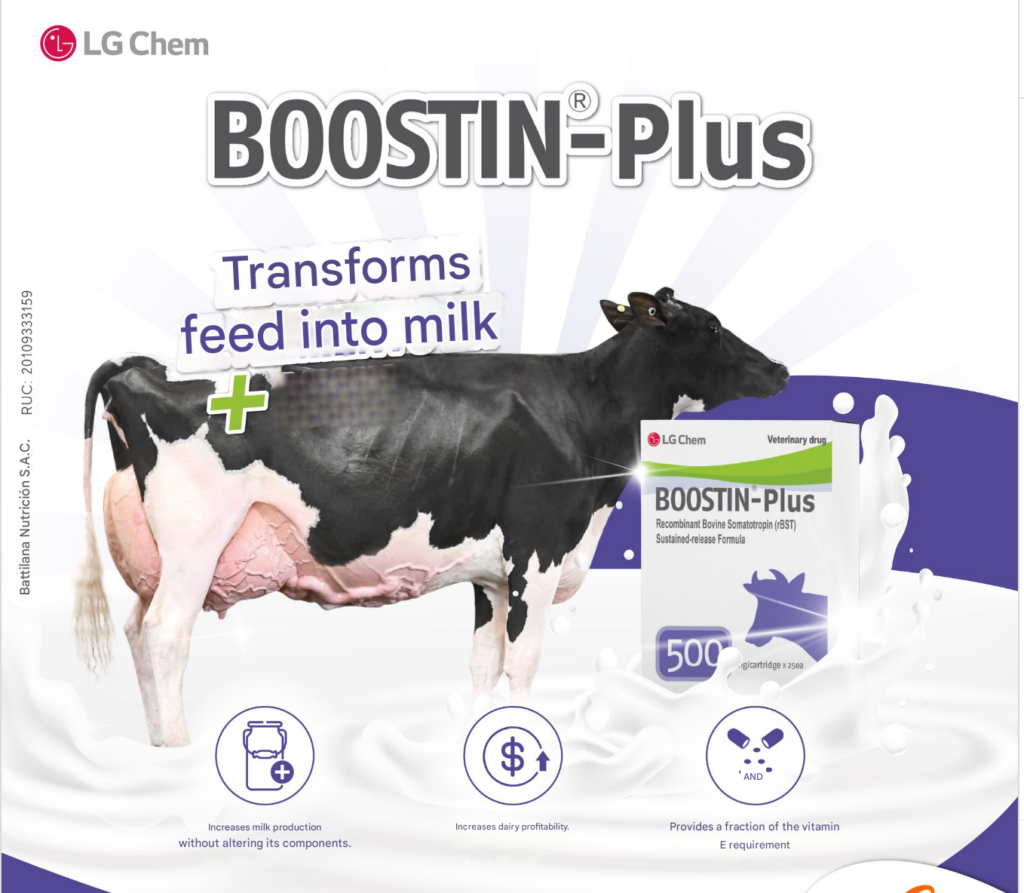
Boostin Plus for Bovine

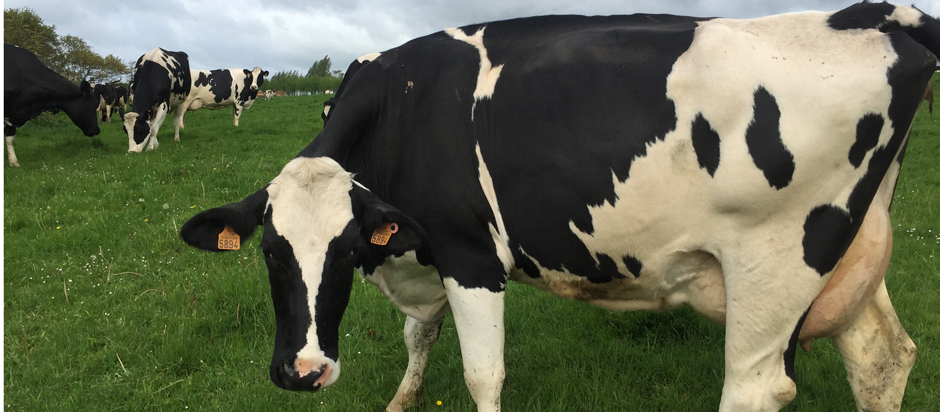
Bovine Somatotropin (BST), also known as Bovine Growth Hormone (BGH), is a naturally occurring hormone produced by the pituitary gland of cattle. In its synthetic form, BST is administered to lactating dairy cows to stimulate increased milk production. This hormone works by promoting the secretion of insulin-like growth factor-1 (IGF-1), which enhances mammary gland development and milk yield.

Historical Context and Development

Discovered in the 1930s, BST’s commercial use in dairy farming began in the late 20th century. Recombinant DNA technology allowed scientists to produce synthetic BST, leading to its widespread adoption in dairy industries across North America and other regions.


How Does Bovine Somatotropin Work?

BST influences milk production through complex biological pathways:

  1. Stimulates Mammary Gland Growth: BST promotes cellular growth in the mammary tissue, increasing the capacity for milk synthesis.
  2. Enhances Milk Secretion: It elevates the levels of IGF-1, which directly stimulates alveolar cells responsible for milk production.
  3. Improves Nutrient Utilization: BST increases nutrient partitioning towards the mammary gland, improving efficiency.

Note: The hormone must be administered carefully, typically via injections, following specific dosage protocols to ensure safety and efficacy.


Benefits of Using Bovine Somatotropin

Using BST offers several advantages for dairy farmers aiming to boost productivity:

1. Increased Milk Yield

The primary benefit of BST is significant increases in milk production—often around 10-15% per cow. This boost can significantly improve farm profitability, especially in large-scale operations.

2. Improved Feed Efficiency

BST makes better use of nutrients in feed, leading to more milk per unit of feed consumed. This efficiency reduces feed costs and enhances overall farm sustainability.

3. Extended Lactation Period

BST can help cows maintain high milk yields longer, delaying the typical decline in production and improving lifetime productivity.

4. Better Economic Returns

With increased milk output, farmers experience higher revenue without proportionally increasing input costs, leading to improved profit margins.

5. Potential for Reduced Environmental Impact

Enhanced feed efficiency and increased milk yield per cow can reduce methane emissions and resource utilization per unit of milk produced.


Addressing Common Concerns and Risks

Despite its benefits, BST use raises questions about animal health, milk safety, and ethical considerations.

1. Animal Welfare and Health Risks

Some studies suggest that BST may be associated with increased risks of:

  • Mastitis (udder infection)
  • Lameness
  • Reproductive issues
  • Calving difficulties

However, these risks can be mitigated through proper management, monitoring, and adherence to recommended dosing protocols.

2. Milk Safety and Consumer Perception

Regulatory agencies such as the FDA have approved BST for use in dairy cattle, asserting that milk from BST-treated cows is safe for human consumption. Nonetheless, consumer concerns persist, often driven by misconceptions and ethical debates.

BST is approved in many countries but banned in others, such as the European Union. It’s vital to comply with local regulations and maintain transparency with consumers.


Practical Tips for Implementing BST in Dairy Farming

To maximize benefits and minimize risks, consider these practical tips:

1. Proper Administration and Dosage

  • Follow manufacturer guidelines strictly.
  • Use trained personnel for injections.
  • Monitor cow responses closely.

2. Maintain Animal Health

  • Implement rigorous health management programs.
  • Regularly check for signs of mastitis, lameness, and reproductive issues.
  • Adjust management practices as needed.

3. Record Keeping and Monitoring

  • Keep detailed records of BST administration, milk yield, and health parameters.
  • Use data analytics to assess effectiveness and adjust protocols.

4. Optimize Nutrition and Housing

  • Provide high-quality feed to support increased milk production.
  • Ensure comfortable housing to reduce stress and health issues.

5. Ethical and Consumer Transparency

  • Be transparent with consumers about BST use.
  • Educate customers on the safety and benefits of BST.

Scientific Insights and Latest Research

Recent studies highlight that when managed properly, BST can be a safe and effective tool in dairy production. For example:

  • A study published in the Journal of Dairy Science found no significant difference in milk safety parameters between BST-treated and untreated cows.
  • Research indicates that proper management minimizes health risks associated with BST.

It’s essential to stay updated with the latest research and industry guidelines to ensure responsible use.


Comparing Bovine Somatotropin with Alternatives

1. Genetic Selection and Breeding

Selective breeding can naturally enhance milk yield without hormone use, though it takes longer and may involve higher costs.

2. Nutritional Strategies

Optimizing diet and feed management can improve milk production organically.

3. Emerging Technologies

Innovations like precision farming and data analytics can help maximize productivity sustainably.


Frequently Asked Questions (FAQs)

Q1: Is Bovine Somatotropin safe for cows?

A: When used according to guidelines, BST is generally safe for healthy cows. Proper management reduces the risk of health issues.

Q2: Does BST affect milk quality?

A: Regulatory agencies confirm that BST does not alter milk composition or safety.

A: No. BST is approved in countries like the US, Canada, and Australia but banned or restricted in the EU and some other regions.

Q4: How much does BST cost?

A: Costs vary depending on dosage, farm size, and region. Consider the cost-benefit analysis to determine profitability.

Q5: Can I use BST on organic farms?

A: Typically, no. Organic standards usually prohibit hormone use, including BST.


Farmers and industry experts often ask:

  • How can I balance BST use with animal welfare?
  • What management practices ensure maximum benefits?
  • How do consumer perceptions impact marketability?

Engaging with veterinary professionals, participating in industry forums, and maintaining transparency can help address these concerns.

Sedator 1mg/ml Solution for Cats & Dogs


Conclusion

Bovine Somatotropin (BST) remains a valuable tool for modern dairy farmers seeking to enhance productivity, efficiency, and profitability. When implemented responsibly, with attention to animal health and regulatory compliance, BST can provide significant benefits without compromising milk safety or animal welfare.

As the dairy industry continues to evolve, staying informed about scientific insights, technological advances, and consumer expectations is essential. Use this comprehensive guide as a foundation to make strategic decisions about BST, and explore further resources to optimize your dairy operations.


Final Thoughts

  • Conduct thorough cost-benefit analyses before adopting BST.
  • Prioritize animal health and welfare.
  • Stay updated with regulatory changes and scientific research.
  • Engage with consumers transparently to build trust.

Interested in boosting your dairy farm productivity? Explore trusted products like Boostin Plus 500mg for safe and effective hormone management.


Questions or feedback? Feel free to share your experiences or ask questions in the comments section below. Your insights help build a knowledgeable and responsible dairy farming community.
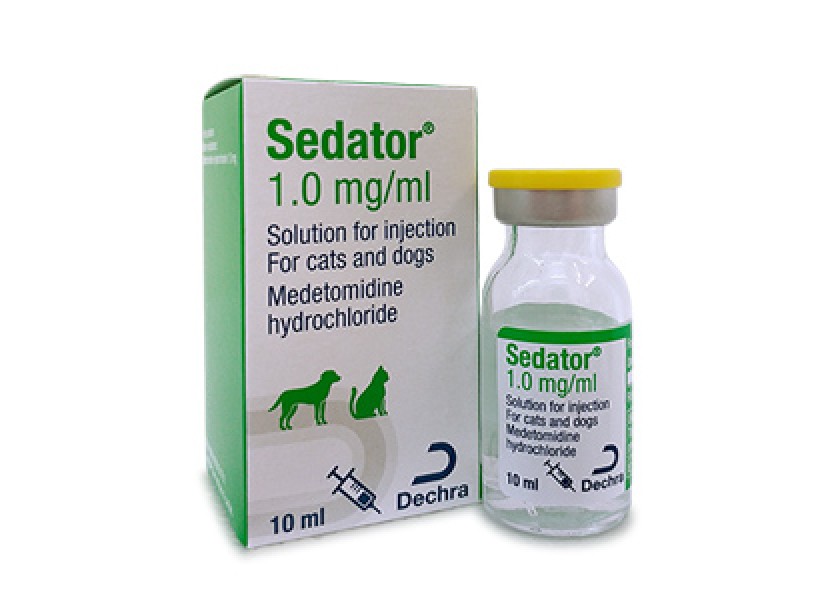
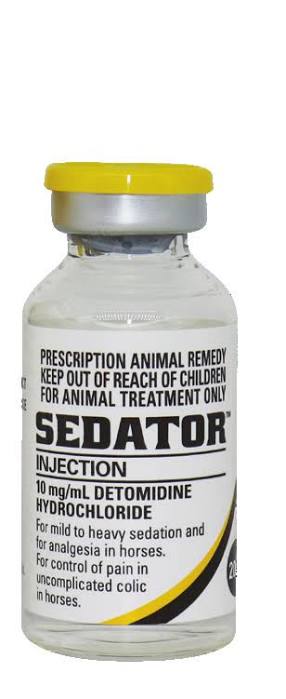
Sedator 1mg/ml Solution for Cats & Dogs, Sedator ,

Sedator 1mg/ml Solution for Cats & Dogs

When it comes to the well-being of our beloved cats and dogs, ensuring their safety and comfort during medical procedures or behavioral management is paramount. Sedation plays a crucial role in veterinary medicine, helping animals undergo procedures with minimal stress and pain. Among the many sedatives available, Sedator 1mg/ml solution for Cats & Dogs has gained popularity for its efficacy and safety profile.

In this comprehensive guide, we explore everything you need to know about Sedator 1mg/ml solution, including its uses, dosage, safety precautions, benefits, side effects, and frequently asked questions. Whether you’re a pet owner or a veterinarian, this article aims to provide valuable insights to help you make informed decisions regarding sedation management for your pets.


What is Sedator 1mg/ml Solution?

Sedator 1mg/ml Solution for Cats & Dogs, Sedator , Sedator injection,

Sedator 1mg/ml solution is a veterinary sedative used for calming cats and dogs during diagnostic procedures, surgeries, grooming, or behavioral interventions. It contains a specific concentration of a sedative agent designed to induce relaxation and reduce anxiety, facilitating smoother veterinary care.

This solution is formulated to be administered via injection, ensuring quick absorption and effective sedation. Its precise dosage allows veterinarians to tailor the sedation level according to the animal’s size, health status, and procedure requirements.

Composition and Pharmacology

While the exact formulation may vary by manufacturer, Sedator 1mg/ml typically contains active ingredients such as medetomidine or dexmedetomidine, which are alpha-2 adrenergic agonists. These compounds work by affecting the central nervous system to produce sedation, analgesia, and muscle relaxation.


Why Use Sedator 1mg/ml Solution for Cats & Dogs?

Pet owners and veterinarians choose Sedator 1mg/ml for various reasons:

  • Calm Anxiety and Stress: Helps manage animals that are anxious or aggressive during vet visits.
  • Facilitate Medical Procedures: Eases the process of injections, blood draws, imaging, or dental work.
  • Reduce Movement During Surgery: Ensures animals remain still during minor surgeries or diagnostic tests.
  • Behavioral Management: Used in behavioral modification programs under professional supervision.

Advantages of Sedator 1mg/ml Solution

  • Rapid Onset: Provides quick sedation, reducing waiting time.
  • Adjustable Dosing: Suitable for different animal sizes and health conditions.
  • Reversible: Its effects can be reversed with specific antagonists like atipamezole.
  • Safe Profile: When used correctly, it offers a safe and effective sedation option.

How to Administer Sedator 1mg/ml Solution

Administering Sedator 1mg/ml should always be performed by a qualified veterinarian or trained professional. Proper dosing and administration technique are critical to ensure safety and efficacy.

Dosage Guidelines

The dosage depends on factors such as species, weight, age, health status, and the nature of the procedure. Typical dosing ranges are:

  • Dogs: 0.005 to 0.02 mg/kg body weight.
  • Cats: 0.01 to 0.03 mg/kg body weight.

Note: Always refer to the manufacturer’s instructions or veterinary guidance for precise dosing.

Administration Route

  • Intramuscular (IM): Most common method.
  • Subcutaneous (SC): Sometimes used for less invasive procedures.
  • Intravenous (IV): For rapid onset, but requires skilled administration.

Monitoring During Sedation

  • Continuous monitoring of vital signs (heart rate, respiration, blood pressure) is essential.
  • Be prepared to administer reversal agents if necessary.
  • Observe for any adverse reactions.

Safety Precautions and Contraindications

While Sedator 1mg/ml is generally safe when used appropriately, certain precautions are necessary:

  • Contraindications:
  • Animals with cardiovascular disease.
  • Pregnant or lactating animals.
  • Animals with hepatic or renal impairment.
  • Animals with known hypersensitivity to the active ingredients.
  • Precautions:
  • Always conduct a thorough health assessment before sedation.
  • Use the correct dose based on weight and health status.
  • Avoid rapid injection to prevent adverse cardiovascular effects.
  • Be cautious in geriatric or debilitated animals.

Reversal of Sedation

The sedative effects of Sedator 1mg/ml can be quickly reversed using atipamezole or other appropriate antagonists, allowing animals to regain full alertness promptly.


Potential Side Effects and Risks

Although generally safe, some animals may experience side effects, especially if overdosed or in sensitive individuals:

  • Cardiovascular effects: Bradycardia, hypotension.
  • Respiratory depression: Reduced breathing rate.
  • Gastrointestinal disturbances: Vomiting or nausea.
  • Behavioral reactions: Aggression or agitation during recovery.

In case of adverse reactions, immediate veterinary intervention is necessary.


Comparing Sedator 1mg/ml to Other Sedatives

When choosing a sedative, it’s essential to consider options:

Sedative AgentOnsetDurationReversibilityCommon UsesSide Effects
Sedator 1mg/mlFastShort to moderateYes (with antagonists)Diagnostic, minor surgeryMild, manageable
AcepromazineModerateLongNoSedation, tranquilizationHypotension, sedation
DexmedetomidineFastModerateYesSedation, analgesiaBradycardia, dry mouth

Sedator 1mg/ml stands out for its quick action, reversibility, and controllability, making it a preferred choice for many veterinarians.


Frequently Asked Questions (FAQs)

1. Is Sedator 1mg/ml solution safe for all cats and dogs?

Most healthy animals tolerate Sedator 1mg/ml well when administered correctly. However, animals with certain health conditions or sensitivities may require alternative sedation protocols. Always consult with a veterinarian before use.

2. How long does the sedation last?

Typically, sedation lasts between 30 minutes to 2 hours, depending on the dose, species, and individual response.

3. Can I administer Sedator 1mg/ml at home?

No. Sedation with Sedator 1mg/ml should only be performed by a qualified veterinarian or trained professional to ensure safety.

4. How do I reverse the effects of Sedator?

The effects can be reversed with atipamezole, administered under veterinary supervision.

5. What are the signs of overdose?

Overdose signs include severe cardiovascular depression, respiratory distress, collapse, or coma. Immediate veterinary care is required.

ATP energy for horses


Feedback and Recommendations from Pet Owners and Veterinarians

  • Many veterinarians appreciate the predictability and safety profile of Sedator 1mg/ml, especially for minor procedures.
  • Pet owners have reported less stress and anxiety for their pets when sedation is managed properly.
  • Proper training and adherence to dosing protocols are essential for optimal results.
  • Always choose high-quality, approved formulations from reputable manufacturers.

Conclusion

Sedator 1mg/ml solution for Cats & Dogs is a versatile and effective sedative for veterinary use, offering rapid onset, adjustable dosing, and reversibility. Proper administration, monitoring, and understanding of its safety profile are key to ensuring the well-being of your pets.

If you are considering sedation for your pet, consult with a qualified veterinarian to determine the most appropriate protocol tailored to your pet’s health and needs. Responsible use of Sedator 1mg/ml can significantly improve the veterinary experience for both animals and their owners.


Additional Resources


Remember: Your pet’s health and safety come first. Proper sedation management can make veterinary procedures smoother and less stressful for everyone involved.

Capuchin monkey vaccination

Capuchin Monkey Vaccine

Capuchin Monkey Vaccine: Protecting Our Primate Friends

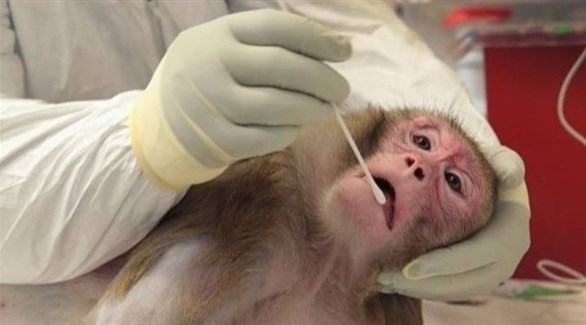
Capuchin monkeys are one of the most intelligent and adaptable primates, widely recognized for their playful behavior and significant role in ecosystems. However, like all wild and captive animals, they are susceptible to various diseases, many of which can be prevented through vaccination. In this comprehensive guide, we will delve into everything you need to know about the Capuchin monkey vaccine, including its importance, types, administration, safety, and how it contributes to the health and conservation of these remarkable creatures.

If you’re a veterinarian, animal caretaker, researcher, or a passionate animal lover interested in primate health, this guide will serve as your ultimate resource to understanding the role of vaccination in safeguarding Capuchin monkeys.


1. Understanding Capuchin Monkeys

Biological and Behavioral Overview

Capuchin monkeys (genus Cebus) are New World primates native to Central and South America. They are known for their high intelligence, dexterity, and social behaviors. Typically, they weigh between 3-4 kilograms and have a lifespan of up to 25 years in captivity.

Common Diseases Affecting Capuchins

Due to their environment and interactions with humans, Capuchins are susceptible to several infectious diseases, including rabies, herpesvirus, and measles. Their health can be compromised by poor nutrition, environmental stress, and exposure to pathogens.


2. The Importance of Vaccination for Capuchin Monkeys

Why Vaccinate?

Vaccination is a critical component of disease prevention in both captive and wild populations. It reduces morbidity and mortality, helps control disease outbreaks, and supports conservation efforts.

Benefits for Captive and Wild Populations

  • Captive Care: Ensures the health of primates in zoos, sanctuaries, and research facilities.
  • Wild Conservation: Protects wild populations from devastating epidemics.
  • Public Health: Reduces zoonotic transmission risks to humans.

3. Types of Vaccines for Capuchin Monkeys

Core Vaccines

Core vaccines are essential and recommended universally due to the severity of the diseases they prevent. For Capuchins, these include:

  • Rabies vaccine
  • Herpesvirus vaccine
  • Measles vaccine

Non-Core Vaccines

Non-core vaccines are administered based on risk assessment, geographic prevalence, and exposure:

  • Hepatitis vaccines
  • Leptospirosis vaccines
  • Other region-specific vaccines

Emerging Vaccines and Research

Recent advances have seen the development of DNA vaccines and monoclonal antibody therapies, promising safer and more effective options.


4. Common Diseases Prevented by Vaccines

Rabies

A deadly zoonotic disease transmitted through bites. Vaccinating primates helps prevent outbreaks and protects humans.

Herpesvirus

Herpes B virus can be lethal to humans, and vaccination reduces the risk of infection.

Measles

Highly contagious, measles can cause severe illness in primates. Vaccination is crucial, especially in captivity.

Hepatitis

Hepatitis A and B can affect primates, impacting liver health and overall vitality.


5. Vaccine Administration: Protocols and Best Practices

When to Vaccinate

  • During initial health assessments
  • Before exposure to high-risk environments
  • As part of routine health maintenance

Dosage and Frequency

Protocols vary based on vaccine type, age, and health status. Typically, initial series followed by booster doses annually or as recommended.

Methods of Delivery

  • Subcutaneous injections
  • Intramuscular injections

6. Safety and Side Effects of Capuchin Monkey Vaccines

Monitoring Post-Vaccination

Observation for adverse reactions like swelling, fever, or allergic responses.

Addressing Adverse Reactions

Immediate veterinary intervention and supportive care. Camels antibiotics for sale


Regulations on Vaccinating Primates

Compliance with local and international wildlife conservation laws.

Ethical Aspects in Conservation and Captivity

Balancing animal welfare with disease prevention.


8. Challenges and Limitations of Vaccination in Capuchins

Logistical Challenges

  • Difficulties in administering vaccines to wild populations
  • Maintaining cold chain and storage

Vaccine Efficacy and Resistance

Ongoing research to improve effectiveness and reduce resistance.


9. Future Perspectives: Innovations in Primate Vaccination

Advances in Vaccine Technology

  • DNA and mRNA vaccines
  • Oral vaccines

Conservation Efforts and Vaccination Programs

Global initiatives to vaccinate wild primate populations against emerging threats.


10. FAQs about Capuchin Monkey Vaccine

Q1: Is the Capuchin monkey vaccine safe?
Yes, when administered by trained professionals, vaccines are safe and effective.

Q2: Can wild Capuchins be vaccinated?
Vaccinating wild populations is challenging but possible through oral bait vaccines.

Q3: How often should Capuchins be vaccinated?
Typically annually, but it depends on the vaccine and exposure risk.

Q4: Are there any side effects?
Minor reactions like swelling or fever are possible but rare.


11. Feedback and Community Insights

We invite veterinarians, researchers, and animal enthusiasts to share their experiences with Capuchin monkey vaccination programs. Your insights help improve protocols and conservation efforts.


12. Resources and References

  • Miraduck Solutions: https://miraducksolutions.com/
  • World Organisation for Animal Health (OIE)
  • American Veterinary Medical Association (AVMA)
  • Conservation International

Conclusion

Vaccinating Capuchin monkeys is a vital step in safeguarding their health, supporting conservation efforts, and reducing zoonotic disease transmission. As science advances, so do the opportunities for more effective, safer, and accessible vaccination strategies for these intelligent primates.

Stay informed, stay proactive, and contribute to the well-being of our primate friends.


If you have further questions or feedback about this guide, please share your insights. Your involvement can help shape better health practices for Capuchin monkeys worldwide.

Stimulants for Fighting Roosters, cockfighting,

Stimulants for Fighting Roosters

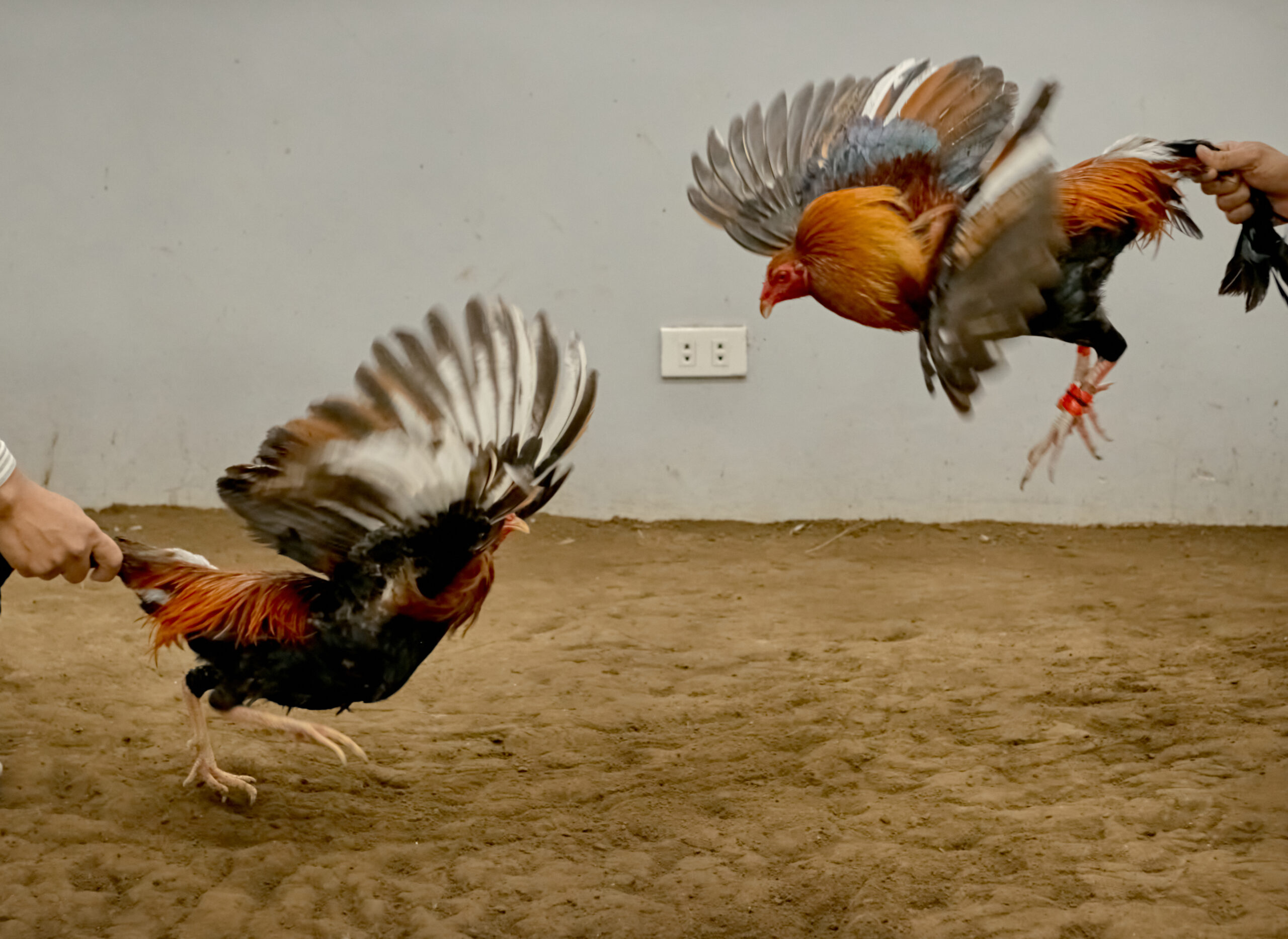
Fighting roosters, also known as cockfighting, is an age-old tradition in many cultures around the world. Enthusiasts and breeders are continually seeking ways to enhance their birds’ performance in the ring. One of the most discussed aspects in the realm of cockfighting is the use of stimulants for fighting roosters. These substances aim to increase energy, aggression, and stamina, giving the rooster a competitive edge.

However, it’s essential to understand the nuances, legality, safety, and ethical considerations surrounding the use of stimulants in cockfighting. This guide delves into what stimulants are, how they are used, their effectiveness, and the safest practices for breeders and enthusiasts.


What Is a Stimulant for Fighting Roosters?

A stimulant for fighting roosters is any substance or product designed to increase a bird’s energy, aggression, and stamina during a fight. These substances can be natural or synthetic and are often administered shortly before the fight to maximize their effects.

Types of Stimulants Used in Cockfighting

  • Natural Stimuli: Herbs, natural extracts, and certain foods believed to enhance energy levels.
  • Pharmaceuticals and Chemical Stimulants: Substances like rooster venom, certain hormones, or chemical stimulants that can temporarily boost performance.
  • Specialized Cockfighting Supplements: Commercially available products formulated to improve stamina and aggression, such as the one discussed in the reference link.

Focus on Rooster Venom as a Stimulant

One of the most talked-about stimulants in the context of fighting roosters is rooster venom. This substance is derived from the spurs of roosters and has been used traditionally to boost energy and aggression.

The Role of Rooster Venom

  • Increased Aggression: Venom can stimulate the nervous system, leading to heightened aggression.
  • Enhanced Stamina: Some believe it can temporarily improve stamina, allowing the bird to fight longer.
  • Physical Boost: The natural toxins may cause a surge of adrenaline, giving the rooster a temporary physical advantage.

Note: The use of rooster venom is controversial and is subject to legal and ethical debates in many regions. Always ensure compliance with local laws before considering such stimulants.


How Do Stimulants for Fighting Roosters Work?

The primary goal of using a stimulant is to trigger physiological responses that enhance fighting capabilities. These responses include:

  • Increased Heart Rate: Boosts blood flow and oxygen delivery to muscles.
  • Surge of Adrenaline: Heightens alertness, aggression, and energy.
  • Enhanced Muscle Response: Improves strength and endurance during the fight.
  • Reduced Fatigue: Temporarily delays exhaustion.

Mechanism of Action

Most stimulants act on the nervous system, either directly or indirectly. For example, compounds like rooster venom contain neurotoxins that stimulate nerve endings, leading to heightened aggression and activity.


Legality and Ethical Considerations

Before exploring stimulants for fighting roosters, it’s crucial to address the legal and ethical aspects:

  • Legality: Cockfighting is illegal in many countries and regions due to animal cruelty laws. Using stimulants may also be illegal or heavily regulated.
  • Animal Welfare: Many animal rights groups oppose cockfighting and the use of performance-enhancing substances, citing cruelty and health risks.
  • Safety: Improper use of stimulants can harm the bird’s health, leading to injuries or death.

Important: Always prioritize humane practices and adhere to local laws and regulations.


Commercial Stimulant Products for Fighting Roosters

In recent years, numerous products have entered the market claiming to enhance fighting performance. One such product is Rooster Venom 6ml, available through reputable suppliers.

Features of Rooster Venom 6ml

  • Contains natural extracts from rooster venom to boost energy and aggression.
  • Intended for responsible use by experienced breeders.
  • Marketed as a safe supplement when used correctly.

Usage Instructions

  • Administer in accordance with recommended dosage.
  • Use sparingly, ideally shortly before the fight.
  • Ensure the bird is healthy and not over-stressed.

Warning: Always purchase from trusted suppliers and verify the product’s safety and legality.


How to Use Stimulants for Fighting Roosters Safely

Using stimulants responsibly requires knowledge and caution:

  1. Consult Experts: Seek advice from experienced breeders or veterinarians.
  2. Start with Small Doses: Test the effects with minimal amounts.
  3. Monitor the Bird: Watch for adverse reactions or signs of distress.
  4. Time Administration Properly: Usually administered just before the fight.
  5. Avoid Overuse: Excessive use can cause health issues or diminish the bird’s natural fighting ability.

1. Are stimulants safe for fighting roosters?

Answer: When used responsibly and in moderation, some stimulants can be safe. However, misuse or overuse can cause health complications, including injuries and stress-related issues.

Answer: The legality varies by country and region. In many places, cockfighting itself is illegal, and the use of performance-enhancing substances may also be prohibited. Always check local laws.

3. What are natural alternatives to chemical stimulants?

Answer: Natural options include certain herbs, energy-boosting foods, and supplements that promote stamina without harmful chemicals.

4. How can I improve my fighting rooster’s performance naturally?

Answer: Proper nutrition, regular training, and stress management are key. Providing a balanced diet rich in proteins and vitamins can enhance natural energy levels.

5. What are the risks of using stimulants on fighting roosters?

Answer: Risks include health deterioration, injuries, reduced lifespan, and ethical concerns. Illegal or unregulated substances can also be dangerous.

Dromedary Camel Racing


Feedback and Ethical Responsibility

While the desire to improve your fighting rooster’s performance is understandable, it’s vital to approach this responsibly. Consider the following:

  • Animal Welfare: Prioritize the health and well-being of your birds.
  • Legal Compliance: Always operate within the law.
  • Fair Play: Promote ethical practices in cockfighting.
  • Education: Stay informed about the risks and best practices.

Conclusion

Stimulants for fighting roosters are a complex topic, blending tradition, science, legality, and ethics. While products like rooster venom and specialized supplements can temporarily enhance a bird’s performance, responsible use and awareness of legal and ethical boundaries are paramount.

If you’re considering using stimulants, always do so with caution, proper knowledge, and respect for animal welfare. For those seeking natural ways to boost their fighting rooster’s stamina and aggression, focus on nutrition, training, and proper care.


Final Words

Remember, the true strength of a fighting rooster lies in its health, training, and natural ability. Stimulants should only be viewed as supplementary tools and never substitutes for responsible breeding and care.


References