Bones Cartilage and Joint Supplements for Animals

Bones, Cartilage and Joint Supplements for Animals

Bones Cartilage and Joint Supplements for Animal Use

A comprehensive guide to supporting animal bone health, cartilage function, joint comfort and everyday mobility.

Healthy bones, cartilage and joints are essential for an animal’s movement, comfort and quality of life. Whether caring for a playful puppy, an ageing dog, phony, camel a working horse or livestock, maintaining a healthy musculoskeletal system is an important part of responsible animal care.

Racing animals like horses, camel, greyhound rely on strong bones for structural support, healthy cartilage for smooth joint movement and properly functioning joints for everyday activities such as walking, running, standing, climbing and grazing.

However, ageing, excess body weight, physical stress, injuries, developmental conditions and degenerative joint diseases can affect mobility and comfort.

This is why interest in bones, cartilages and joints supplements for animals use continues among animal owners and caretakers seeking additional nutritional support.

But how do these supplements work? Which ingredients are worth considering? Are supplements equally suitable for dogs, cats, horses and livestock? And what should owners look for before purchasing?

This comprehensive guide answers these questions and provides practical, veterinarian-informed considerations for maintaining healthier bones, cartilage and joints.

What Are Bone, Cartilage and Joint Supplements for Animals?

Bone, cartilage and joint supplements for animals are nutritional products formulated to provide specific nutrients or compounds associated with musculoskeletal health.

Depending on their formulation, these supplements may contain ingredients such as:

  • Glucosamine
  • Chondroitin sulfate
  • Omega-3 fatty acids
  • Collagen or undenatured type II collagen
  • Methylsulfonylmethane (MSM)
  • Calcium and phosphorus
  • Vitamin D
  • Vitamin C or other antioxidant nutrients
  • Hyaluronic acid
  • Other species-appropriate nutrients

Different ingredients have different purposes, and not every animal requires them.

For example, a dog with osteoarthritis may have different nutritional needs from a growing large-breed puppy, a performance horse or a laying bird.

Important: Joint supplements are not substitutes for veterinary diagnosis, appropriate treatment, balanced diets or pain management. Their benefits vary by ingredient, product quality, species and individual animal. In particular, clinical evidence for glucosamine and chondroitin in dogs is mixed, while certain marine omega-3 formulations have more supportive evidence for some osteoarthritis outcomes.

Understanding the Role of Bones, Cartilage and Joints in Animals

Before choosing a supplement, it helps to understand how the musculoskeletal system functions.

1. Bones: The Foundation of Animal Movement

Bones provide structural support, protect vital organs and serve as attachment points for muscles.

They also store important minerals, including calcium and phosphorus, and contain bone marrow involved in blood cell production.

Healthy bone development and maintenance depend on adequate nutrition, appropriate exercise and balanced mineral intake.

Insufficient or excessive dietary nutrients can create problems, particularly during growth.

2. Cartilage: The Protective Cushion Between Bones

Articular cartilage is a smooth, specialized connective tissue that covers the ends of bones within many moving joints.

It helps distribute mechanical forces and supports low-friction movement.

Cartilage contains collagen, proteoglycans and water. Unlike many other tissues, its limited blood supply restricts its natural repair capacity.

Damage or degeneration of cartilage can contribute to stiffness, discomfort and reduced mobility.

Supplements marketed for cartilage health may contain glucosamine, chondroitin or collagen, although providing these compounds does not necessarily mean damaged cartilage will regenerate.

3. Joints: The Centers of Movement and Flexibility

Joints connect bones and allow a range of movement.

Structures such as ligaments, joint capsules, cartilage and synovial fluid contribute to stability and smooth movement.

When joints become inflamed, injured or affected by degenerative conditions, animals may experience discomfort and difficulty moving.

Maintaining a healthy body weight, providing suitable exercise and seeking timely veterinary care are among the most important measures for supporting joint health.

Major Benefits of Bone, Cartilage and Joint Supplements for Animals

Appropriately chosen nutritional supplements may contribute to a broader joint-care strategy.

1. Supporting Joint Comfort and Mobility

Some nutritional ingredients, especially certain omega-3 fatty acids, may help improve aspects of joint comfort or mobility in animals with osteoarthritis.

The degree of benefit depends on the species, product, dosage and underlying condition.

2. Providing Nutritional Support for Cartilage and Connective Tissues

Ingredients such as glucosamine, chondroitin and collagen are commonly included in supplements intended for cartilage and connective tissue support.

However, evidence that oral supplementation rebuilds damaged joint cartilage is insufficient. Owners should view these ingredients as potential supportive options rather than guaranteed repairs.

3. Supporting Bone Mineralization Where Nutritional Deficiencies Exist

Calcium, phosphorus and vitamin D have important roles in bone health.

When an animal has a diagnosed nutritional deficiency or an improperly balanced diet, targeted dietary correction may improve skeletal health.

Giving additional minerals to an animal already receiving an appropriately balanced diet can be unnecessary or harmful.

4. Supporting Healthy Activity in Ageing Animals

Older animals may experience decreased activity, muscle weakness, arthritis or other mobility-related conditions.

When appropriate, nutrition-focused joint support may complement weight management, controlled exercise, rehabilitation and veterinary treatment.

5. Complementing Long-Term Musculoskeletal Care

For some animals, suitable supplements may be included in a long-term care plan.

The primary goal should be measurable improvements in comfort and function, not simply continued supplementation.

Owners can evaluate progress through walking ability, daily activity, ease of standing, veterinary assessments and other observable measures.

Signs That an Animal May Need a Joint Health Assessment

Changes in mobility should not automatically be attributed to ageing or a vitamin deficiency.

Possible warning signs include:

  • Limping or favoring one limb
  • Reluctance to climb stairs, jump or run
  • Difficulty standing after resting
  • Joint swelling or reduced flexibility
  • Decreased willingness to exercise
  • Stiffness after periods of inactivity
  • Changes in gait or posture
  • Reduced playfulness or activity
  • Lameness after exercise
  • Irritability when touched or handled

These signs may have several causes, including injury, arthritis, infection, neurological disorders or other illnesses.

Veterinary guidance: Sudden inability to bear weight, severe pain, marked swelling, trauma or rapidly worsening symptoms warrant prompt veterinary assessment. Supplements alone are not appropriate initial treatment for these conditions.

Important Ingredients in Animal Bone and Joint Supplements

Glucosamine: A Commonly Used Joint Support Ingredient

Glucosamine is a naturally occurring compound involved in the biology of cartilage and other tissues.

It is widely marketed in oral joint supplements, often in combination with chondroitin.

Potential use: May be considered as part of a veterinarian-approved joint-care plan.

Evidence consideration: Clinical studies have produced inconsistent results, and meaningful pain relief should not be assumed.

Chondroitin Sulfate: Associated With Cartilage Structure

Chondroitin sulfate is a component of cartilage extracellular matrix.

It is frequently included in products designed to support joint health.

Potential use: Nutritional support ingredient commonly combined with glucosamine.

Evidence consideration: Oral chondroitin has not been consistently shown to improve mobility or reverse cartilage damage in animals.

Marine-derived omega-3 fatty acids, particularly EPA and DHA, are involved in regulating inflammatory pathways.

Some veterinary studies support their use as part of osteoarthritis management in dogs.

Potential use: Complementary nutritional support for certain animals experiencing joint discomfort.

Safety consideration: Product concentration, calories, gastrointestinal tolerance and interactions with existing health conditions should be reviewed with a veterinarian.

MSM: A Common Ingredient in Joint Formulas

Methylsulfonylmethane is an organic sulfur-containing compound used in some animal joint supplements.

Potential use: Included in formulations intended for joint comfort and connective tissue support.

Evidence consideration: High-quality clinical evidence supporting consistent benefits in animals remains limited.

Collagen: A Component of Connective Tissues

Collagen proteins are structural components of cartilage, tendons, ligaments and other tissues.

Some specialized collagen supplements have been studied for joint-related outcomes.

Potential use: May be included in selected joint health formulations.

Evidence consideration: Results vary by collagen type, preparation and animal population. Ordinary dietary collagen and undenatured type II collagen should not be considered interchangeable.

Calcium, Phosphorus and Vitamin D: Essential for Bone Health

These nutrients contribute to bone development, mineralization and maintenance.

Potential use: Correction of a confirmed dietary imbalance or specific nutritional requirement.

Important caution: Excess calcium or vitamin D can cause serious problems. Growing animals, especially large-breed puppies, are particularly sensitive to inappropriate mineral balance.

Hyaluronic Acid: Associated With Joint Fluid

Hyaluronic acid is a natural component of synovial fluid and other tissues.

It is present in some oral supplements and veterinary joint treatments.

The clinical evidence and appropriate use depend on the formulation, species and route of administration.

How to Choose the Right Bone, Cartilage and Joint Supplement for Animals

Selecting a suitable supplement requires more than choosing the product with the longest ingredient list.

Step 1: Identify the Animal’s Specific Needs

Consider the animal’s species, age, breed, weight, activity level, current diet and medical history.

A senior dog with osteoarthritis may benefit from a different management plan than a growing puppy or an athletic horse.

Step 2: Check the Ingredient Composition

Read the product label carefully.

Look for:

  • Clearly identified active ingredients
  • Amounts provided per serving
  • Species-specific administration instructions
  • Manufacturer identification
  • Batch or lot identification
  • Expiry date
  • Storage requirements
  • Appropriate warnings and precautions

Avoid relying entirely on marketing terms such as “advanced repair” or “complete joint regeneration.”

Step 3: Review the Scientific Evidence

Prioritize ingredients and formulations supported by relevant research in the target species.

Evidence from humans, rodents or one animal species does not automatically establish effectiveness in another.

Step 4: Assess Product Quality

Choose products from reputable suppliers that provide transparent labeling and suitable quality-control information.

Useful considerations include contaminant testing, ingredient consistency, manufacturing standards and access to manufacturer support.

Step 5: Consult a Qualified Veterinarian

A veterinarian can help identify whether supplementation is appropriate, especially when the animal already has a diagnosed disease or takes medication.

They can also advise whether dietary modification, pain relief, physical rehabilitation or further diagnostics are more important.

Step 6: Monitor the Animal’s Response

Record the animal’s comfort and mobility before starting any new supplement.

Track changes over a veterinarian-recommended trial period, rather than assuming a product works because it has been administered consistently.

If there is no meaningful improvement, review whether continued use is justified.

Bone and Joint Supplements for Different Animal Species

Not all supplements are interchangeable across species.

Dogs

Dogs may develop joint problems associated with age, body weight, previous injuries, developmental disorders or osteoarthritis.

Joint care may involve weight reduction when appropriate, controlled activity, veterinary pain management and selected nutritional supplements.

Dogs should receive products and doses suitable for their specific size and health status.

Cats

Cats can develop arthritis and other painful joint conditions, sometimes showing subtle signs such as reduced jumping, decreased grooming or avoiding elevated surfaces.

Feline supplement selection requires particular care because cats metabolize certain substances differently from dogs and humans.

Never assume a dog or human joint supplement is safe for a cat.

Horses

Horses are exposed to substantial musculoskeletal forces during exercise, training and performance.

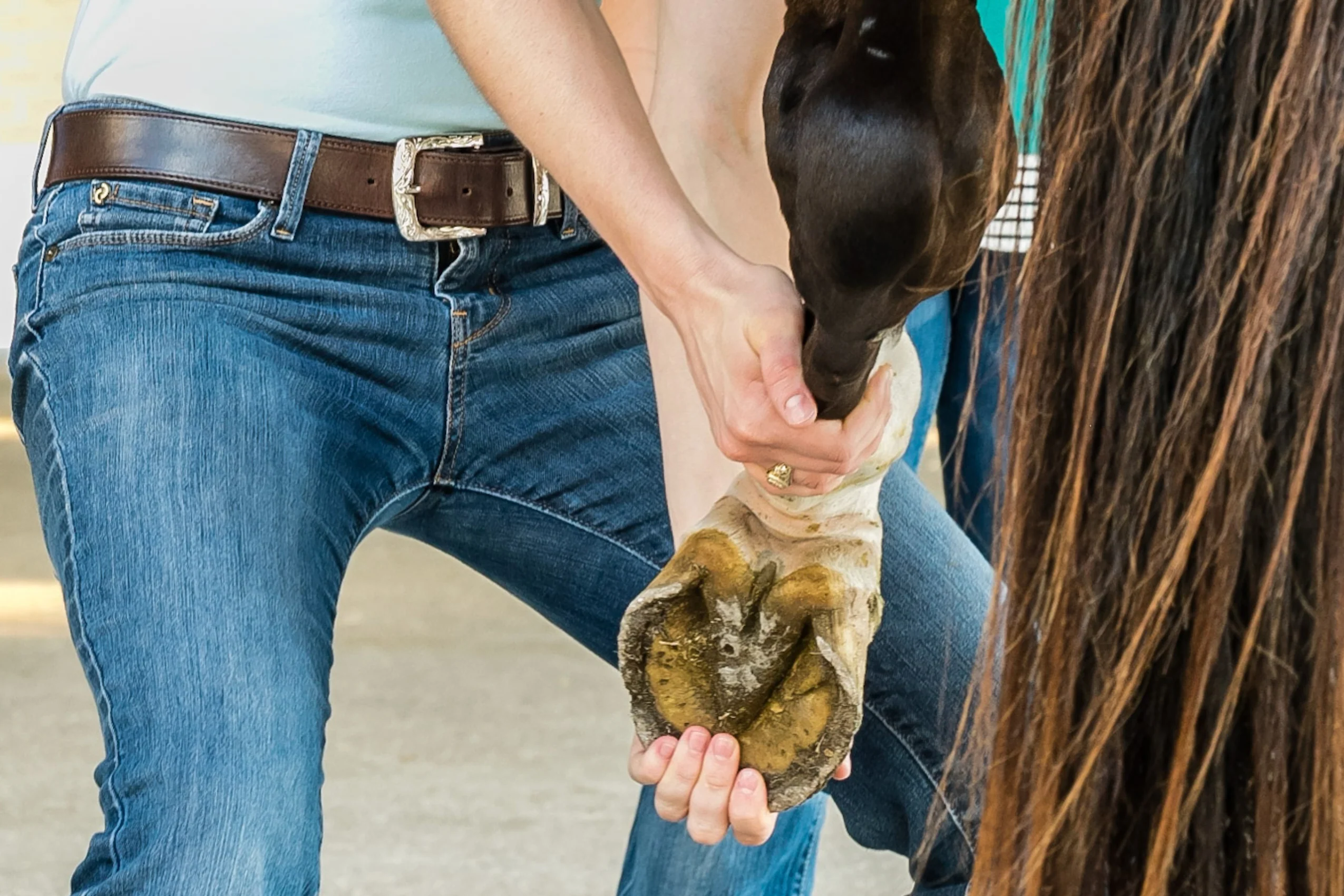
Lameness assessments, hoof care, appropriate conditioning, nutrition and veterinary management are essential.

Some equine supplements are marketed for joint health, but effectiveness varies and product choices should account for competition rules where applicable.

Cattle and Other Livestock

Lameness and poor mobility in livestock can result from hoof disease, infection, housing conditions, injury, nutritional imbalances and other causes.

Foot care, appropriate flooring, husbandry and veterinary assessment often take priority over supplementation.

Products intended for food-producing animals must be appropriate for that species and comply with applicable local regulations, including any relevant withdrawal requirements.

Poultry and Other Birds

Bone health in birds depends on factors such as nutrition, growth rate, mineral balance, vitamin D status and management conditions.

For laying birds, calcium requirements can differ substantially from those of other animal species.

Use avian-specific nutritional recommendations rather than general pet joint supplement formulas.

Practical Tips for Maintaining Healthy Bones and Joints in Animals

Maintain a Healthy Body Weight

Excess body weight increases mechanical loading on joints and can make mobility problems more difficult to manage.

A veterinarian can advise on body condition scoring and an appropriate feeding plan.

Provide Suitable Exercise

Regular, species-appropriate movement helps maintain muscle strength and overall physical function.

Animals with painful joint conditions may require shorter, controlled activity sessions rather than intense exercise.

Feed a Balanced Diet

A complete and appropriate diet is a foundational part of musculoskeletal health.

Supplementation should address a genuine nutritional or clinical need rather than replace good daily nutrition.

Create a Supportive Environment

For animals with mobility difficulties, useful adjustments may include non-slip flooring, accessible sleeping areas, ramps and reduced jumping demands.

Livestock management may also benefit from suitable bedding, flooring and hoof-care practices.

Arrange Regular Veterinary Examinations

Early assessment can identify problems before mobility declines substantially.

Animals with persistent lameness or pain may need a physical examination, imaging or other diagnostic tests.

Avoid Unsupervised Supplement Combinations

Combining multiple joint formulas can duplicate ingredients and increase the risk of excessive nutrient intake.

Check with a veterinarian before using multiple supplements, especially when the animal receives prescription medications.

Common Mistakes to Avoid When Buying Animal Joint Supplements

Mistake 1: Expecting supplements to cure arthritis.

Most nutritional supplements have not been proven to reverse established osteoarthritis or regenerate damaged cartilage.

Mistake 2: Choosing products based only on advertising claims.

Marketing language does not replace clinical evidence, appropriate labeling or quality assurance.

Mistake 3: Using the same product for every species.

Dogs, cats, horses, livestock and birds have different nutritional and physiological needs.

Mistake 4: Assuming natural ingredients are automatically safe.

Natural compounds can still cause adverse effects or interact with other treatments.

Mistake 5: Ignoring body weight and exercise.

Weight management and appropriate physical activity can be more important than supplements for many mobility-related problems.

Mistake 6: Delaying veterinary treatment.

Persistent pain or limping may indicate a condition that requires medical or surgical management.

Why Consider MiraDuck Solutions for Animal Joint Supplement Research?

Finding suitable nutritional products starts with understanding the animal’s specific health needs and examining the information available for each formulation.

The Mira Duck Solutions Joint Repairs category is a relevant destination for visitors researching the company’s animal joint-support product offerings.

When reviewing any listed product, consider:

  • The intended animal species
  • Declared ingredients and concentrations
  • Product purpose and label directions
  • Safety and precautionary information
  • Manufacturer quality information
  • Whether the formulation is suitable for the animal’s existing diet and medical condition

Product suitability should be verified against the actual product label and, where necessary, with a qualified veterinarian.

Explore the Mira Duck Solutions Joint Repairs category to review available product information and discuss appropriate options with your veterinary professional.

Frequently Asked Questions About Bone, Cartilage and Joint Supplements for Animals

1. What are bone, cartilage and joint supplements used for in animals?

They are used to provide selected nutrients or compounds intended to support musculoskeletal health. Depending on the formulation, they may be considered for nutritional adequacy or as complementary support in animals with mobility-related conditions. They do not replace veterinary treatment.

2. Which joint supplement ingredients are commonly used for dogs?

Common ingredients include glucosamine, chondroitin, marine omega-3 fatty acids, collagen and MSM. The strength of supporting evidence varies, and the most appropriate option depends on the dog’s condition.

3. Can joint supplements repair damaged cartilage in animals?

There is insufficient reliable clinical evidence to conclude that commonly marketed oral joint supplements regenerate severely damaged cartilage. Some products may be considered for supportive care, but structural joint disease requires veterinary assessment.

4. Are joint supplements safe for all animals?

No. Safety depends on the species, ingredients, dosage, medical history, dietary intake and product quality. A formulation suitable for one animal may be inappropriate for another.

5. How long does it take for animal joint supplements to work?

There is no universal timeframe. Effects, if any, depend on the formulation and animal. A veterinarian can recommend an appropriate evaluation period and measures for judging whether supplementation is beneficial.

6. Can puppies receive bone and joint supplements?

Only when appropriate for their developmental and nutritional requirements. Growing puppies, especially large breeds, can be harmed by excessive or unbalanced calcium and other nutrients.

7. Do older dogs benefit from joint supplements?

Some older dogs may benefit from selected products as part of a comprehensive plan, particularly certain omega-3 formulations in osteoarthritis management. However, age alone is not a reason to supplement, and veterinary evaluation is important.

8. What is the difference between bone supplements and joint supplements?

Bone-focused products may supply minerals or vitamins involved in skeletal development and maintenance. Joint-focused formulations may contain compounds marketed for cartilage, mobility or joint comfort. Some products combine both categories.

9. Can joint supplements replace pain medication for animals with arthritis?

They should not be treated as replacements for prescribed pain management. Osteoarthritis may require medications, weight management, exercise modification, rehabilitation or other veterinary treatments.

10. What foods help maintain healthy bones and joints in animals?

Species-appropriate balanced diets provide the foundation for healthy bones and tissues. Specific dietary adjustments, including omega-3 intake or mineral correction, should be based on individual requirements. Milk Boosters Injections for Livestock

11. Can horses and livestock use the same joint supplements as dogs?

Not automatically. Ingredients, dosage, regulatory requirements and nutritional needs differ. Use products specifically appropriate for the animal species and intended purpose.

12. How can I tell if a joint supplement is helping my animal?

Measure changes in activity, ease of standing, walking ability and other observable mobility indicators. Compare these with a baseline and review the results with a veterinarian.

13. What are the potential side effects of animal joint supplements?

Depending on the ingredients, side effects can include digestive upset, appetite changes, allergic reactions or adverse effects from excessive vitamins and minerals. Product-specific warnings should be followed.

14. Where can I find animal bone and joint support products?

Look for appropriately labeled products from reputable veterinary or animal-health suppliers. You can review the Mira Duck Solutions Joint Repairs product category and verify each product’s intended species, ingredients and instructions before purchase.

Choosing Better Joint Health Support for Animals

Healthy bones, cartilage and joints are essential for animal movement and welfare.

Nutritional supplements can have a role in selected circumstances, but their effectiveness should be assessed realistically. No single supplement can address every cause of lameness, joint pain, cartilage degeneration or skeletal disease.

The most reliable approach combines species-appropriate nutrition, healthy body weight, suitable activity, safe living conditions and veterinary care.

When choosing bone, cartilage and joint supplements for animals, prioritize ingredient transparency, product quality, species suitability and credible evidence.

Ready to explore your options?

Visit the Mira Duck Solutions Joint Repairs collection to review the available products, compare their label information and identify questions to discuss with your veterinarian.

Disclaimer: This article provides general animal-health education and is not a substitute for professional veterinary advice. Supplement effectiveness and safety depend on the animal, formulation and intended use.
Milk Boosters Injections for Livestock

Milk Boosters Injections for Livestock: Benefits, Uses, Safety, and Complete Dairy Production Guide

Are you looking for effective ways to support milk production in dairy cows, goats, or other lactating livestock? Maintaining consistent milk yield is one of the biggest challenges livestock farmers face. Poor nutrition, heat stress, disease, inadequate water intake, and reproductive changes can all affect the quantity and quality of milk produced.

This is why many dairy farmers research milk boosters injections for livestock as part of their overall herd productivity strategy.

However, milk production is a complex biological process. Not every product marketed as a milk booster increases yield, and injectable veterinary products differ significantly in their ingredients, indications, safety requirements, and regulatory approvals.

Understanding how these products work, when veterinary intervention may be appropriate, and how to support natural lactation can help farmers make better decisions.

In this guide, we explain the potential benefits and limitations of livestock milk booster injections, important safety considerations, management practices that influence milk yield, and what to look for before purchasing livestock health products.

For product information, explore the Milk Boosters category at Miraduck Solutions.

What Are Milk Boosters Injections for Livestock?

Milk boosters injections for livestock is a broad commercial term used for injectable veterinary products that may be associated with lactation support, correction of specific nutritional deficiencies, or the management of certain milk-production conditions.

The term does not identify a single standardized veterinary medicine.

Depending on the product, a livestock injection may contain vitamins, minerals, prescription hormones, or other veterinary ingredients. Each formulation has its own intended use, and its effect on milk production must be assessed individually.

Some injectable products may help correct a diagnosed deficiency or treat a health condition affecting productivity. Certain hormone-based products can also influence milk production or milk let-down, but they have important regulatory and animal-welfare considerations.

Important: A veterinary injection should not be assumed to increase milk yield simply because it is marketed as a milk booster. Product labels, veterinary diagnosis, published evidence, and local regulations are essential.

Why Is Milk Production Important in Livestock Farming?

Why Is Milk Production Important in Livestock Farming?

Milk production plays a central role in the profitability and sustainability of dairy farming.

Consistent, healthy lactation can contribute to:

  • A reliable supply of milk for household consumption or commercial sale.
  • Better planning of dairy farm operating expenses and revenue.
  • More efficient use of available feed and farm resources.
  • Improved monitoring of livestock nutrition and herd health.
  • Stronger long-term productivity when combined with appropriate animal welfare and breeding practices.

For commercial farmers, milk yield is only one part of profitability. Milk quality, reproductive performance, animal health, feed efficiency, and treatment costs also affect financial results.

The best dairy production strategies focus on sustainable output rather than short-term increases at the expense of livestock health.

How Do Milk Booster Injections Work?

Different veterinary injections influence the animal’s physiology in different ways.

1. Injectable Vitamins and Mineral Treatments

Animals with specific vitamin or mineral deficiencies may experience reduced appetite, metabolic problems, poor general health, or impaired production.

When a veterinary professional confirms a deficiency, an appropriate injectable treatment may help correct it.

Examples of nutrients involved in livestock health include vitamin B12, phosphorus, and other essential vitamins or minerals.

However, correcting a deficiency is not the same as guaranteeing an increase in milk yield. Animals with adequate nutritional status may receive no additional benefit from unnecessary injections.

2. Hormonal Veterinary Products

Some hormone-based veterinary products influence physiological processes associated with lactation.

For example, oxytocin may be prescribed for particular veterinary indications involving milk ejection. It acts on milk let-down and should not be confused with increasing the total amount of milk synthesized.

Recombinant bovine somatotropin (rbST), also known as recombinant bovine growth hormone, has been used to increase milk production in dairy cattle in jurisdictions where its use is permitted.

Regulatory treatment of rbST varies considerably by country, and its use raises animal-health, welfare, and market-access considerations.

Farmers must not use hormone-based livestock injections without confirming that the particular product and intended use are legally authorized in their jurisdiction.

3. Injectable Treatments for Underlying Health Conditions

Milk yield can decrease when animals experience illness, metabolic disorders, or other health problems.

A veterinary professional may prescribe injectable medicines to treat a diagnosed condition.

In these cases, improved milk production may follow recovery from illness, but the medicine itself is not necessarily a direct milk production booster.

This distinction is important when evaluating veterinary products.

Potential Benefits of Appropriate Milk Booster Treatments

When prescribed for a genuine veterinary need, properly selected injectable products may provide several benefits.

Supporting Recovery from Nutritional Deficiencies

Treating an identified nutritional deficiency can help restore normal animal function and support recovery.

For dairy livestock, improved health can contribute to more stable production when nutrition, management, and lactation conditions are otherwise suitable.

Supporting Animals with Diagnosed Health Problems

Some treatments may help address conditions that interfere with appetite, metabolism, or normal lactation.

An accurate diagnosis remains essential because similar symptoms can have very different causes.

Improving Farm Management Decisions

Veterinary assessment before treatment encourages farmers to examine the underlying reasons for declining milk yield.

This can reveal problems related to feeding, housing, environmental stress, or infectious disease that would not be corrected by a general-purpose supplement.

Encouraging More Consistent Herd Monitoring

Recording milk yield before and after a veterinary intervention helps farmers evaluate whether treatment and management changes are associated with meaningful results.

A treatment should be judged by animal health, milk quality, cost, and overall herd performance—not by a marketing promise alone.

Different dairy species have different nutritional and physiological requirements.

Dairy Cows

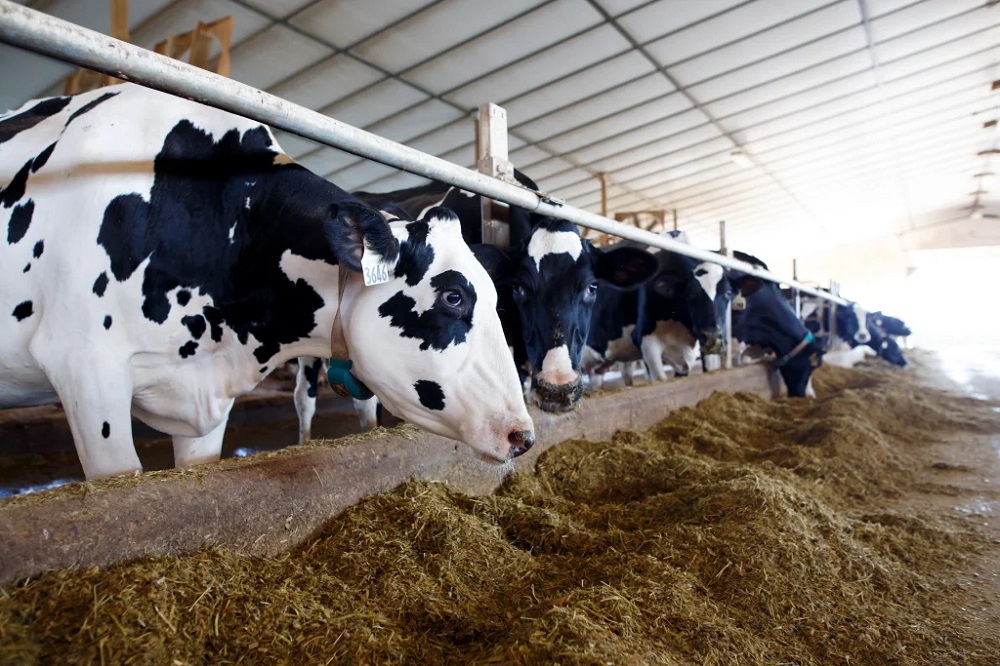
Dairy cattle require adequate energy, protein, fiber, minerals, water, and appropriate milking management.

Periods such as early lactation and the transition around calving require particular attention.

Declining milk yield in a dairy cow may indicate a nutritional imbalance, udder disease, environmental stress, or another issue requiring veterinary assessment.

Dairy Goats

Dairy goats can experience reduced production because of inadequate feed intake, poor body condition, parasitic disease, or other health issues.

Veterinary support should be selected specifically for goats rather than assuming a product intended for cattle is suitable.

Dairy Sheep

Milk-producing sheep have species-specific metabolic, nutritional, and management needs.

Any injectable treatment must be appropriate for the animal’s species, condition, production stage, and local veterinary requirements.

Buffaloes and Other Dairy Animals

Buffaloes and other milk-producing livestock may also require health and nutritional interventions.

However, approved medicines and withdrawal requirements can vary by species and jurisdiction.

Never assume that a product approved for one animal species can be safely used in another.

Common Causes of Low Milk Production in Livestock

Before considering milk booster injections, farmers should investigate why milk production has declined.

Inadequate Feed Quality

A poor-quality diet may fail to provide enough metabolizable energy, protein, effective fiber, or essential minerals to support healthy lactation.

Farmers should work with a qualified livestock nutrition professional to review ration composition, feed intake, forage quality, and changes in body condition.

Insufficient Drinking Water

Lactating animals need substantial quantities of clean, accessible drinking water.

Water restrictions can reduce feed consumption and impair overall productivity.

Heat Stress

High temperatures and humidity can reduce feed intake and increase physiological stress.

Improving shade, ventilation, cooling, and water availability can help protect herd welfare and performance.

Mastitis and Udder Problems

Mastitis is an important cause of reduced milk output and altered milk quality.

Symptoms may include changes in milk appearance, udder swelling, pain, or systemic illness.

Prompt veterinary evaluation is necessary when mastitis is suspected.

Poor Milking Practices

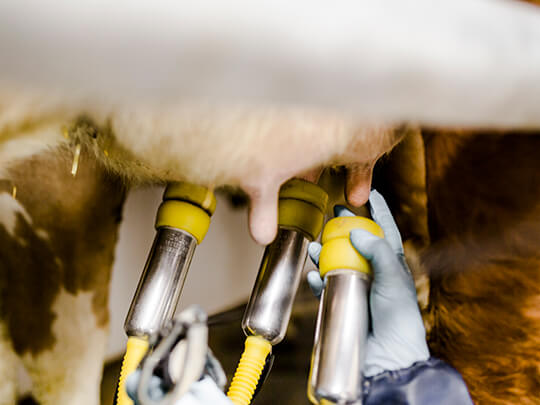
Irregular milking, inadequate equipment maintenance, poor udder hygiene, and stressful handling can negatively affect dairy production.

Consistent, hygienic milking routines are essential.

Stage of Lactation

Milk yield naturally changes throughout lactation.

A gradual decline at certain stages does not necessarily indicate a disease or a need for medication.

How to Choose Milk Boosters Injections for Livestock

Choosing the right livestock product requires more than comparing labels or prices.

Step 1: Identify the Actual Problem

Determine whether reduced milk yield is associated with low feed intake, illness, environmental stress, a nutritional deficiency, or a natural change in lactation.

Step 2: Consult a Licensed Veterinarian

A veterinarian can evaluate clinical signs, review the animal’s history, and recommend appropriate diagnostic testing.

This is especially important for pregnant, recently calved, or medically compromised animals.

Step 3: Review the Product’s Active Ingredients

Check what the product contains and its approved indication.

A vitamin preparation, hormonal medicine, and disease-specific treatment are not interchangeable.

Check that the product is authorized for the intended animal species and use in your country.

Also verify whether its use is permitted in lactating food-producing animals.

Step 5: Check Milk and Meat Withdrawal Periods

Some veterinary medicines require withholding milk or meat from the food supply for a specified period.

Follow the product’s official label and veterinary instructions. Where use is off-label and legally permitted, an appropriate veterinarian-established withdrawal interval may be required.

Step 6: Evaluate Storage, Authenticity, and Traceability

Purchase veterinary products from reputable suppliers and confirm packaging integrity, batch number, expiry date, manufacturer information, and storage instructions.

Step 7: Monitor the Animal After Treatment

When treatment has been prescribed, record the animal’s response and report concerning symptoms to the veterinarian.

Do not independently increase doses, repeat injections, or combine injectable products.

Practical Tips to Improve Milk Production Naturally

An injection is not a substitute for sound livestock management.

The following practices can help farmers build a stronger foundation for healthy lactation.

Provide a Balanced Dairy Ration

Work with a nutrition professional to develop feeding plans suited to the animal’s species, body condition, production level, and lactation stage. Boostin plus 500mg

Balanced feeding is often more valuable than introducing unnecessary supplements.

Maintain Access to Clean Water

Make clean drinking water readily available throughout the day.

Inspect troughs regularly and reduce competition for water access.

Minimize Environmental Stress

Provide shade, appropriate ventilation, dry resting spaces, clean bedding, and sufficient room for normal animal behavior.

Follow Consistent Milking Procedures

Maintain suitable milking intervals, keep equipment properly serviced, and follow recommended udder hygiene protocols.

Keep Accurate Production Records

Track daily milk volume, feed changes, illness, treatments, and important reproductive events.

Records make it easier to identify problems early and evaluate the results of farm-management changes.

Schedule Routine Veterinary Health Checks

Preventive health programs, vaccination plans, parasite control, reproductive management, and disease surveillance should be developed with local veterinary professionals.

Milk Booster Injections Versus Oral Supplements: What Is the Difference?

Farmers often compare injectable treatments with oral livestock supplements.

FactorVeterinary injectionsOral nutritional supplements
AdministrationInjection by an appropriately qualified personUsually mixed into feed or administered orally
Primary useProduct-specific medical, nutritional, or hormonal indicationsSupplementing the diet where appropriate
Veterinary oversightEssential for prescription products and important for treatment decisionsRecommended, particularly for therapeutic claims
Potential benefitDepends on diagnosis, formulation, and indicationDepends on the animal’s nutritional needs
Safety considerationsInjection-site reactions, medication errors, residues, contraindicationsNutrient imbalances, interactions, inappropriate formulations
Milk withdrawalMay apply, depending on the productDepends on the ingredients and product instructions

Which option is better? Neither approach is universally superior.

An injection may be medically appropriate for a particular diagnosis, while feeding or management changes may be the correct response to other problems.

The appropriate choice depends on the animal’s condition and the product’s approved use.

Common Mistakes Farmers Should Avoid

One common mistake is assuming every decrease in milk production can be corrected with medication.

Another is using a product recommended for a different species, production stage, or medical condition.

Farmers should also avoid:

  • Using unregistered or counterfeit veterinary products.
  • Following unverified injection instructions from social media.
  • Administering multiple medicines without checking interactions.
  • Ignoring milk withdrawal periods.
  • Using hormonal treatments outside legally authorized indications.
  • Assuming that higher doses will deliver greater benefits.
  • Overlooking mastitis, poor nutrition, or other underlying problems.

Careful decision-making helps protect the animals, dairy consumers, and the farm’s long-term productivity.

Where to Explore Milk Boosters for Livestock

Farmers researching livestock milk-production support can start by comparing product information, active ingredients, intended species, manufacturer details, and official veterinary labeling.

Miraduck Solutions provides a dedicated online category for customers interested in milk booster products.

Explore Milk Boosters at Miraduck Solutions

Before purchasing or administering any injectable veterinary product, confirm its availability, regulatory status, clinical suitability, and directions with a licensed veterinarian or other appropriately authorized professional.

Frequently Asked Questions About Milk Boosters for Livestock

1. What are milk boosters injections for livestock?

Milk boosters injections for livestock is a general term for injectable products marketed or used in connection with lactation support. The term may describe products with very different active ingredients and medical purposes. Their suitability and effectiveness depend on the specific formulation and the animal’s needs.

2. Can milk booster injections increase milk production in cows?

Some specifically authorized treatments can affect milk yield, while others may only correct conditions that limit normal production. A reliable increase in milk yield cannot be promised for all products or animals.

3. Are milk booster injections safe for dairy cows?

Safety depends on the active ingredients, animal health, dose, approved indication, and method of administration. A licensed veterinarian should determine whether an injection is appropriate. Some products may be restricted or unsuitable for lactating animals.

4. How quickly do milk booster injections work?

There is no universal time frame. Results depend on the product, condition being treated, and the individual animal. Some treatments have relatively rapid physiological effects, whereas recovery from nutritional or health problems may take longer.

5. Can milk booster injections be used for goats?

Only products appropriately prescribed or authorized for goats should be considered. A product used in dairy cattle should not automatically be used in goats.

6. Do milk booster injections affect milk quality?

Some veterinary treatments may influence milk composition or create residue-related concerns. Farmers must follow applicable treatment instructions and milk withdrawal requirements.

7. Can I give a milk booster injection without a veterinarian?

Farmers should not independently select or administer veterinary injections without appropriate professional guidance. Prescription, administration, and authorization requirements vary by product and jurisdiction.

8. What causes sudden low milk production in cows?

Possible causes include reduced feed or water intake, mastitis, systemic illness, heat stress, or management problems. A sudden or unexplained decline should prompt timely veterinary assessment.

9. Are injectable milk boosters better than feed supplements?

Not necessarily. The better option depends on whether the issue is an actual deficiency, diagnosed disease, feeding imbalance, or another cause of reduced production.

10. Can milk booster injections be used during pregnancy?

Not all veterinary injections are appropriate during pregnancy. Product-specific reproductive warnings and veterinary advice must be followed.

11. What is the best way to improve milk production naturally?

Provide adequate nutrition and water, reduce stress, maintain udder health, follow consistent milking procedures, and work with veterinary and nutritional professionals to address production problems.

12. Where can I find milk booster products for livestock?

You can review the Miraduck Solutions Milk Boosters product category for relevant product information. Confirm product-specific claims, suitability, and availability before purchasing.

Making Better Decisions About Livestock Milk Production

Milk boosters injections for livestock attract attention because farmers want healthier animals, more consistent lactation, and better dairy-farming outcomes.

However, the most effective strategy begins with understanding why milk yield is declining.

Good nutrition, clean water, comfortable housing, disease prevention, hygienic milking, and accurate records remain essential for sustainable dairy productivity.

When veterinary treatment is necessary, selecting an appropriate, authorized product under professional supervision is more important than relying on generalized milk booster claims.

Looking for information about livestock milk booster products?

Visit Miraduck Solutions – Milk Boosters to explore the category and compare product information.

Veterinary disclaimer: This guide is intended for general livestock management education. It does not replace veterinary diagnosis, prescribing, treatment instructions, or local veterinary-medicine regulations.

Safe-Guard AquaSol for Animal Use

Safe-Guard AquaSol for Animal Use

Safe-Guard AquaSol for Animal Use

Maintaining healthy animals requires a proactive approach to parasite control. Internal parasites can affect animal performance, nutrient absorption, productivity, and overall health when left unmanaged.

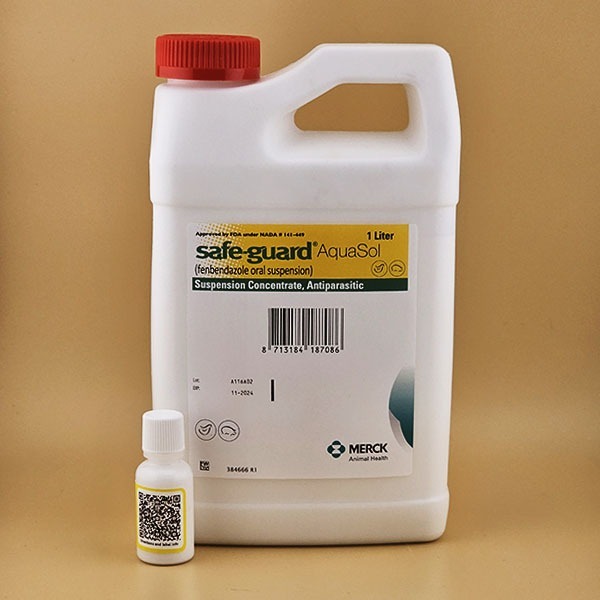
Safe-Guard AquaSol for Animal Use is a veterinary fenbendazole-based oral suspension designed to support parasite management programs. It contains 200 mg/ml of fenbendazole, an active ingredient widely recognized in veterinary medicine for controlling certain gastrointestinal parasites.

This guide explains how Safe-Guard AquaSol works, its benefits, important considerations, and answers common questions searched by animal owners, farmers, and veterinary professionals.


What Is Safe-Guard AquaSol for Animal Use?

Safe-Guard AquaSol is a liquid oral suspension containing:

Active Ingredient:

  • Fenbendazole — 200 mg/mL

Fenbendazole belongs to the benzimidazole class of anthelmintic compounds. It works by interfering with parasite cellular processes, helping reduce the parasite burden in treated animals.

It is commonly considered as part of a parasite management program where proper diagnosis, dosage accuracy, and veterinary guidance are important.


How Does Fenbendazole 200 mg/mL in Safe-Guard AquaSol Work?

Fenbendazole works primarily by affecting parasite microtubule formation, which disrupts essential functions needed for parasite survival.

The benefits of fenbendazole-based treatments include:

  • Helps manage certain gastrointestinal worm infections
  • Supports better animal health management
  • Helps reduce parasite-related production losses
  • Provides a convenient liquid formulation for administration

However, effectiveness depends on factors such as:

  • Target parasite species
  • Animal type
  • Correct administration
  • Local parasite resistance patterns
  • Veterinary recommendations

Key Benefits of Safe-Guard AquaSol for Animal Use

1. Convenient Liquid Formulation

One challenge with animal treatments is ensuring accurate administration. A liquid suspension format can provide easier handling compared with some traditional solid formulations.

Benefits include:

  • Easy measuring
  • Practical farm application
  • Suitable integration into animal health routines

2. Supports Effective Parasite Management

Internal parasites can impact:

  • Feed efficiency
  • Growth performance
  • General animal condition
  • Productivity

Using an appropriate fenbendazole-based product as part of a structured parasite control plan helps maintain better herd or flock health.


3. Fenbendazole-Based Veterinary Solution

Fenbendazole has been widely used in veterinary parasite management programs.

The 200 mg/mL concentration provides a standardized formulation that allows veterinarians and animal caretakers to calculate administration based on approved product directions.


4. Helps Improve Animal Health Monitoring Programs

Successful parasite control is not only about treatment. A complete approach includes:

  • Regular health monitoring
  • Proper sanitation
  • Nutrition management
  • Parasite identification
  • Strategic treatment planning

Safe-Guard AquaSol can be one component of a broader animal health strategy.


Why Proper Parasite Control Matters in Animal Production

Parasites can create hidden challenges for animal owners.

Common problems associated with parasite infections may include:

  • Reduced feed utilization
  • Lower growth performance
  • Poor body condition
  • Increased management costs

A planned parasite control approach helps improve operational efficiency and animal welfare.


How to Use Safe-Guard AquaSol Correctly

Correct use depends on:

  • Animal species
  • Body weight
  • Target parasite
  • Product approval requirements
  • Veterinary instructions

Important practices include:

Follow Label Instructions

Always use the product according to official directions.

Measure Carefully

Accurate measurement helps ensure animals receive the intended amount.

Maintain Treatment Records

Record:

  • Date of treatment
  • Animal group treated
  • Product used
  • Dosage information
  • Observations after treatment

Consult Veterinary Professionals

Veterinarians can help design parasite control programs based on animal health conditions and regional parasite risks.


Safe-Guard AquaSol vs Traditional Deworming Methods

FeatureSafe-Guard AquaSolTraditional Solid Dewormers
FormLiquid suspensionTablets/granules/powders
Active ingredientFenbendazole 200 mg/mLDepends on product
AdministrationOral liquid applicationOral solid application
ManagementRequires accurate measurementMay require individual dosing
Usage approachPart of parasite control programDepends on formulation

Common Questions About Safe-Guard AquaSol for Animal Use

What is Safe-Guard AquaSol used for?

Safe-Guard AquaSol is a fenbendazole-based veterinary oral suspension containing 200 mg/mL fenbendazole. It is used as part of parasite control programs for approved animal applications.


What is the active ingredient in Safe-Guard AquaSol?

The active ingredient is:

Fenbendazole 200 mg/mL

Fenbendazole belongs to the benzimidazole class of anthelmintics.


Is Safe-Guard AquaSol safe for animals?

When used according to approved directions and veterinary recommendations, Safe-Guard AquaSol is designed for animal parasite management. Correct dosing and administration are essential.


How does fenbendazole help control parasites?

Fenbendazole works by disrupting important biological processes in susceptible parasites, helping reduce parasite populations.


Can Safe-Guard AquaSol replace a complete animal health program?

No. Parasite treatment is only one part of animal health management. Proper nutrition, hygiene, vaccination programs, and veterinary care remain important.


How often should animals receive fenbendazole treatment?

Treatment schedules depend on:

  • Animal species
  • Parasite risk
  • Farm conditions
  • Veterinary recommendations
  • Product label requirements

There is no universal schedule for every animal situation.


What animals can use Safe-Guard AquaSol?

Approved animal uses depend on the specific product registration and label instructions in each country. Always verify the approved application before use.


People Also Ask

What is Safe-Guard AquaSol?

Safe-Guard AquaSol is a fenbendazole oral suspension containing 200 mg/mL fenbendazole used in veterinary parasite management programs.

What parasites does fenbendazole treat?

Fenbendazole is used against certain susceptible gastrointestinal parasites. The exact parasite coverage depends on animal species and approved product labeling.

Is fenbendazole an antibiotic?

No. Fenbendazole is an anthelmintic, meaning it is used for parasite control rather than bacterial infections.

How should fenbendazole products be stored?

Storage requirements depend on the specific product label. Users should follow manufacturer instructions.

Why is parasite control important in livestock?

Parasite management helps maintain animal health, productivity, and efficient farm operations. Stimulant for Fighting Rooster


Expert Tips for Better Animal Parasite Management

1. Avoid Treating Without Identification

Understanding the parasite problem helps select the correct management approach.

2. Use Strategic Treatment Plans

Routine, unnecessary treatments may contribute to parasite resistance. Work with veterinary professionals to develop effective programs.

3. Combine Treatment With Prevention

Good parasite control includes:

  • Clean housing
  • Proper nutrition
  • Monitoring
  • Biosecurity practices

Choosing Safe-Guard AquaSol for Animal Use

Safe-Guard AquaSol for Animal Use, containing fenbendazole 200 mg/mL, provides a practical option for parasite management when incorporated into a responsible animal health program.

Successful parasite control requires more than selecting a product. Accurate administration, monitoring, veterinary guidance, and good management practices are essential for maintaining healthier animals.

For reliable animal health solutions and product information, explore Miraduck Solutions’ veterinary product range.

CTA:
Discover quality animal health solutions from Miraduck Solutions and support better parasite management practices with trusted veterinary products.