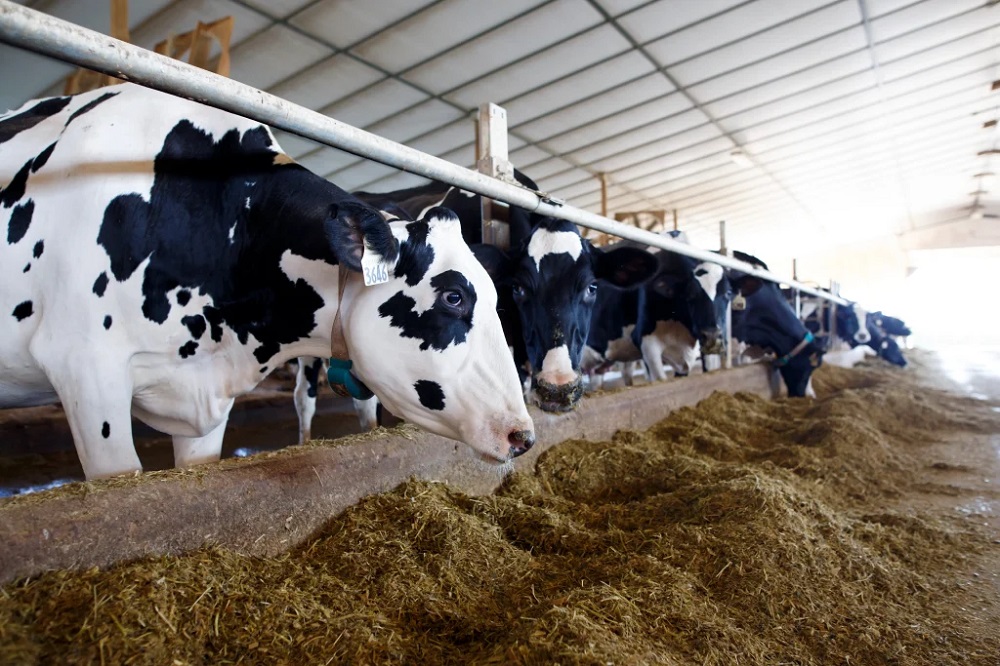
Are you looking for effective ways to support milk production in dairy cows, goats, or other lactating livestock? Maintaining consistent milk yield is one of the biggest challenges livestock farmers face. Poor nutrition, heat stress, disease, inadequate water intake, and reproductive changes can all affect the quantity and quality of milk produced.
This is why many dairy farmers research milk boosters injections for livestock as part of their overall herd productivity strategy.
However, milk production is a complex biological process. Not every product marketed as a milk booster increases yield, and injectable veterinary products differ significantly in their ingredients, indications, safety requirements, and regulatory approvals.
Understanding how these products work, when veterinary intervention may be appropriate, and how to support natural lactation can help farmers make better decisions.
In this guide, we explain the potential benefits and limitations of livestock milk booster injections, important safety considerations, management practices that influence milk yield, and what to look for before purchasing livestock health products.
For product information, explore the Milk Boosters category at Miraduck Solutions.
What Are Milk Boosters Injections for Livestock?
Milk boosters injections for livestock is a broad commercial term used for injectable veterinary products that may be associated with lactation support, correction of specific nutritional deficiencies, or the management of certain milk-production conditions.
The term does not identify a single standardized veterinary medicine.
Depending on the product, a livestock injection may contain vitamins, minerals, prescription hormones, or other veterinary ingredients. Each formulation has its own intended use, and its effect on milk production must be assessed individually.
Some injectable products may help correct a diagnosed deficiency or treat a health condition affecting productivity. Certain hormone-based products can also influence milk production or milk let-down, but they have important regulatory and animal-welfare considerations.
Important: A veterinary injection should not be assumed to increase milk yield simply because it is marketed as a milk booster. Product labels, veterinary diagnosis, published evidence, and local regulations are essential.
Why Is Milk Production Important in Livestock Farming?
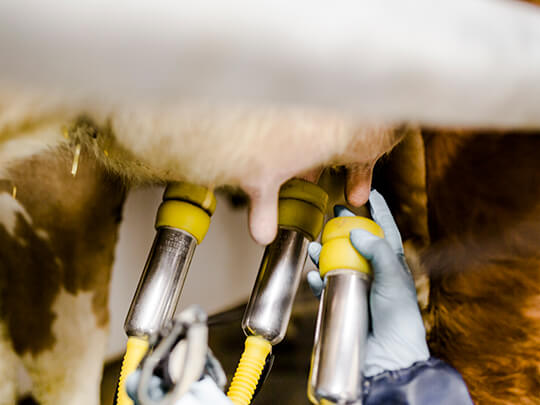
Milk production plays a central role in the profitability and sustainability of dairy farming.
Consistent, healthy lactation can contribute to:
- A reliable supply of milk for household consumption or commercial sale.
- Better planning of dairy farm operating expenses and revenue.
- More efficient use of available feed and farm resources.
- Improved monitoring of livestock nutrition and herd health.
- Stronger long-term productivity when combined with appropriate animal welfare and breeding practices.
For commercial farmers, milk yield is only one part of profitability. Milk quality, reproductive performance, animal health, feed efficiency, and treatment costs also affect financial results.
The best dairy production strategies focus on sustainable output rather than short-term increases at the expense of livestock health.
How Do Milk Booster Injections Work?
Different veterinary injections influence the animal’s physiology in different ways.
1. Injectable Vitamins and Mineral Treatments
Animals with specific vitamin or mineral deficiencies may experience reduced appetite, metabolic problems, poor general health, or impaired production.
When a veterinary professional confirms a deficiency, an appropriate injectable treatment may help correct it.
Examples of nutrients involved in livestock health include vitamin B12, phosphorus, and other essential vitamins or minerals.
However, correcting a deficiency is not the same as guaranteeing an increase in milk yield. Animals with adequate nutritional status may receive no additional benefit from unnecessary injections.
2. Hormonal Veterinary Products
Some hormone-based veterinary products influence physiological processes associated with lactation.
For example, oxytocin may be prescribed for particular veterinary indications involving milk ejection. It acts on milk let-down and should not be confused with increasing the total amount of milk synthesized.
Recombinant bovine somatotropin (rbST), also known as recombinant bovine growth hormone, has been used to increase milk production in dairy cattle in jurisdictions where its use is permitted.
Regulatory treatment of rbST varies considerably by country, and its use raises animal-health, welfare, and market-access considerations.
Farmers must not use hormone-based livestock injections without confirming that the particular product and intended use are legally authorized in their jurisdiction.
3. Injectable Treatments for Underlying Health Conditions
Milk yield can decrease when animals experience illness, metabolic disorders, or other health problems.
A veterinary professional may prescribe injectable medicines to treat a diagnosed condition.
In these cases, improved milk production may follow recovery from illness, but the medicine itself is not necessarily a direct milk production booster.
This distinction is important when evaluating veterinary products.
Potential Benefits of Appropriate Milk Booster Treatments
When prescribed for a genuine veterinary need, properly selected injectable products may provide several benefits.
Supporting Recovery from Nutritional Deficiencies
Treating an identified nutritional deficiency can help restore normal animal function and support recovery.
For dairy livestock, improved health can contribute to more stable production when nutrition, management, and lactation conditions are otherwise suitable.
Supporting Animals with Diagnosed Health Problems
Some treatments may help address conditions that interfere with appetite, metabolism, or normal lactation.
An accurate diagnosis remains essential because similar symptoms can have very different causes.
Improving Farm Management Decisions
Veterinary assessment before treatment encourages farmers to examine the underlying reasons for declining milk yield.
This can reveal problems related to feeding, housing, environmental stress, or infectious disease that would not be corrected by a general-purpose supplement.
Encouraging More Consistent Herd Monitoring
Recording milk yield before and after a veterinary intervention helps farmers evaluate whether treatment and management changes are associated with meaningful results.
A treatment should be judged by animal health, milk quality, cost, and overall herd performance—not by a marketing promise alone.
Which Livestock May Require Lactation-Related Veterinary Support?
Different dairy species have different nutritional and physiological requirements.
Dairy Cows
Dairy cattle require adequate energy, protein, fiber, minerals, water, and appropriate milking management.
Periods such as early lactation and the transition around calving require particular attention.
Declining milk yield in a dairy cow may indicate a nutritional imbalance, udder disease, environmental stress, or another issue requiring veterinary assessment.
Dairy Goats
Dairy goats can experience reduced production because of inadequate feed intake, poor body condition, parasitic disease, or other health issues.
Veterinary support should be selected specifically for goats rather than assuming a product intended for cattle is suitable.
Dairy Sheep
Milk-producing sheep have species-specific metabolic, nutritional, and management needs.
Any injectable treatment must be appropriate for the animal’s species, condition, production stage, and local veterinary requirements.
Buffaloes and Other Dairy Animals
Buffaloes and other milk-producing livestock may also require health and nutritional interventions.
However, approved medicines and withdrawal requirements can vary by species and jurisdiction.
Never assume that a product approved for one animal species can be safely used in another.
Common Causes of Low Milk Production in Livestock
Before considering milk booster injections, farmers should investigate why milk production has declined.
Inadequate Feed Quality
A poor-quality diet may fail to provide enough metabolizable energy, protein, effective fiber, or essential minerals to support healthy lactation.
Farmers should work with a qualified livestock nutrition professional to review ration composition, feed intake, forage quality, and changes in body condition.
Insufficient Drinking Water
Lactating animals need substantial quantities of clean, accessible drinking water.
Water restrictions can reduce feed consumption and impair overall productivity.
Heat Stress
High temperatures and humidity can reduce feed intake and increase physiological stress.
Improving shade, ventilation, cooling, and water availability can help protect herd welfare and performance.
Mastitis and Udder Problems
Mastitis is an important cause of reduced milk output and altered milk quality.
Symptoms may include changes in milk appearance, udder swelling, pain, or systemic illness.
Prompt veterinary evaluation is necessary when mastitis is suspected.
Poor Milking Practices
Irregular milking, inadequate equipment maintenance, poor udder hygiene, and stressful handling can negatively affect dairy production.
Consistent, hygienic milking routines are essential.
Stage of Lactation
Milk yield naturally changes throughout lactation.
A gradual decline at certain stages does not necessarily indicate a disease or a need for medication.
How to Choose Milk Boosters Injections for Livestock
Choosing the right livestock product requires more than comparing labels or prices.
Step 1: Identify the Actual Problem
Determine whether reduced milk yield is associated with low feed intake, illness, environmental stress, a nutritional deficiency, or a natural change in lactation.
Step 2: Consult a Licensed Veterinarian
A veterinarian can evaluate clinical signs, review the animal’s history, and recommend appropriate diagnostic testing.
This is especially important for pregnant, recently calved, or medically compromised animals.
Step 3: Review the Product’s Active Ingredients
Check what the product contains and its approved indication.
A vitamin preparation, hormonal medicine, and disease-specific treatment are not interchangeable.
Step 4: Confirm Species Suitability and Legal Status
Check that the product is authorized for the intended animal species and use in your country.
Also verify whether its use is permitted in lactating food-producing animals.
Step 5: Check Milk and Meat Withdrawal Periods
Some veterinary medicines require withholding milk or meat from the food supply for a specified period.
Follow the product’s official label and veterinary instructions. Where use is off-label and legally permitted, an appropriate veterinarian-established withdrawal interval may be required.
Step 6: Evaluate Storage, Authenticity, and Traceability
Purchase veterinary products from reputable suppliers and confirm packaging integrity, batch number, expiry date, manufacturer information, and storage instructions.
Step 7: Monitor the Animal After Treatment
When treatment has been prescribed, record the animal’s response and report concerning symptoms to the veterinarian.
Do not independently increase doses, repeat injections, or combine injectable products.
Practical Tips to Improve Milk Production Naturally
An injection is not a substitute for sound livestock management.
The following practices can help farmers build a stronger foundation for healthy lactation.
Provide a Balanced Dairy Ration
Work with a nutrition professional to develop feeding plans suited to the animal’s species, body condition, production level, and lactation stage. Boostin plus 500mg
Balanced feeding is often more valuable than introducing unnecessary supplements.
Maintain Access to Clean Water
Make clean drinking water readily available throughout the day.
Inspect troughs regularly and reduce competition for water access.
Minimize Environmental Stress
Provide shade, appropriate ventilation, dry resting spaces, clean bedding, and sufficient room for normal animal behavior.
Follow Consistent Milking Procedures
Maintain suitable milking intervals, keep equipment properly serviced, and follow recommended udder hygiene protocols.
Keep Accurate Production Records
Track daily milk volume, feed changes, illness, treatments, and important reproductive events.
Records make it easier to identify problems early and evaluate the results of farm-management changes.
Schedule Routine Veterinary Health Checks
Preventive health programs, vaccination plans, parasite control, reproductive management, and disease surveillance should be developed with local veterinary professionals.
Milk Booster Injections Versus Oral Supplements: What Is the Difference?
Farmers often compare injectable treatments with oral livestock supplements.
| Factor | Veterinary injections | Oral nutritional supplements |
|---|---|---|
| Administration | Injection by an appropriately qualified person | Usually mixed into feed or administered orally |
| Primary use | Product-specific medical, nutritional, or hormonal indications | Supplementing the diet where appropriate |
| Veterinary oversight | Essential for prescription products and important for treatment decisions | Recommended, particularly for therapeutic claims |
| Potential benefit | Depends on diagnosis, formulation, and indication | Depends on the animal’s nutritional needs |
| Safety considerations | Injection-site reactions, medication errors, residues, contraindications | Nutrient imbalances, interactions, inappropriate formulations |
| Milk withdrawal | May apply, depending on the product | Depends on the ingredients and product instructions |
Which option is better? Neither approach is universally superior.
An injection may be medically appropriate for a particular diagnosis, while feeding or management changes may be the correct response to other problems.
The appropriate choice depends on the animal’s condition and the product’s approved use.
Common Mistakes Farmers Should Avoid
One common mistake is assuming every decrease in milk production can be corrected with medication.
Another is using a product recommended for a different species, production stage, or medical condition.
Farmers should also avoid:
- Using unregistered or counterfeit veterinary products.
- Following unverified injection instructions from social media.
- Administering multiple medicines without checking interactions.
- Ignoring milk withdrawal periods.
- Using hormonal treatments outside legally authorized indications.
- Assuming that higher doses will deliver greater benefits.
- Overlooking mastitis, poor nutrition, or other underlying problems.
Careful decision-making helps protect the animals, dairy consumers, and the farm’s long-term productivity.
Where to Explore Milk Boosters for Livestock
Farmers researching livestock milk-production support can start by comparing product information, active ingredients, intended species, manufacturer details, and official veterinary labeling.
Miraduck Solutions provides a dedicated online category for customers interested in milk booster products.
Explore Milk Boosters at Miraduck Solutions
Before purchasing or administering any injectable veterinary product, confirm its availability, regulatory status, clinical suitability, and directions with a licensed veterinarian or other appropriately authorized professional.
Frequently Asked Questions About Milk Boosters for Livestock
1. What are milk boosters injections for livestock?
Milk boosters injections for livestock is a general term for injectable products marketed or used in connection with lactation support. The term may describe products with very different active ingredients and medical purposes. Their suitability and effectiveness depend on the specific formulation and the animal’s needs.
2. Can milk booster injections increase milk production in cows?
Some specifically authorized treatments can affect milk yield, while others may only correct conditions that limit normal production. A reliable increase in milk yield cannot be promised for all products or animals.
3. Are milk booster injections safe for dairy cows?
Safety depends on the active ingredients, animal health, dose, approved indication, and method of administration. A licensed veterinarian should determine whether an injection is appropriate. Some products may be restricted or unsuitable for lactating animals.
4. How quickly do milk booster injections work?
There is no universal time frame. Results depend on the product, condition being treated, and the individual animal. Some treatments have relatively rapid physiological effects, whereas recovery from nutritional or health problems may take longer.
5. Can milk booster injections be used for goats?
Only products appropriately prescribed or authorized for goats should be considered. A product used in dairy cattle should not automatically be used in goats.
6. Do milk booster injections affect milk quality?
Some veterinary treatments may influence milk composition or create residue-related concerns. Farmers must follow applicable treatment instructions and milk withdrawal requirements.
7. Can I give a milk booster injection without a veterinarian?
Farmers should not independently select or administer veterinary injections without appropriate professional guidance. Prescription, administration, and authorization requirements vary by product and jurisdiction.
8. What causes sudden low milk production in cows?
Possible causes include reduced feed or water intake, mastitis, systemic illness, heat stress, or management problems. A sudden or unexplained decline should prompt timely veterinary assessment.
9. Are injectable milk boosters better than feed supplements?
Not necessarily. The better option depends on whether the issue is an actual deficiency, diagnosed disease, feeding imbalance, or another cause of reduced production.
10. Can milk booster injections be used during pregnancy?
Not all veterinary injections are appropriate during pregnancy. Product-specific reproductive warnings and veterinary advice must be followed.
11. What is the best way to improve milk production naturally?
Provide adequate nutrition and water, reduce stress, maintain udder health, follow consistent milking procedures, and work with veterinary and nutritional professionals to address production problems.
12. Where can I find milk booster products for livestock?
You can review the Miraduck Solutions Milk Boosters product category for relevant product information. Confirm product-specific claims, suitability, and availability before purchasing.
Making Better Decisions About Livestock Milk Production
Milk boosters injections for livestock attract attention because farmers want healthier animals, more consistent lactation, and better dairy-farming outcomes.
However, the most effective strategy begins with understanding why milk yield is declining.
Good nutrition, clean water, comfortable housing, disease prevention, hygienic milking, and accurate records remain essential for sustainable dairy productivity.
When veterinary treatment is necessary, selecting an appropriate, authorized product under professional supervision is more important than relying on generalized milk booster claims.
Looking for information about livestock milk booster products?
Visit Miraduck Solutions – Milk Boosters to explore the category and compare product information.
Veterinary disclaimer: This guide is intended for general livestock management education. It does not replace veterinary diagnosis, prescribing, treatment instructions, or local veterinary-medicine regulations.