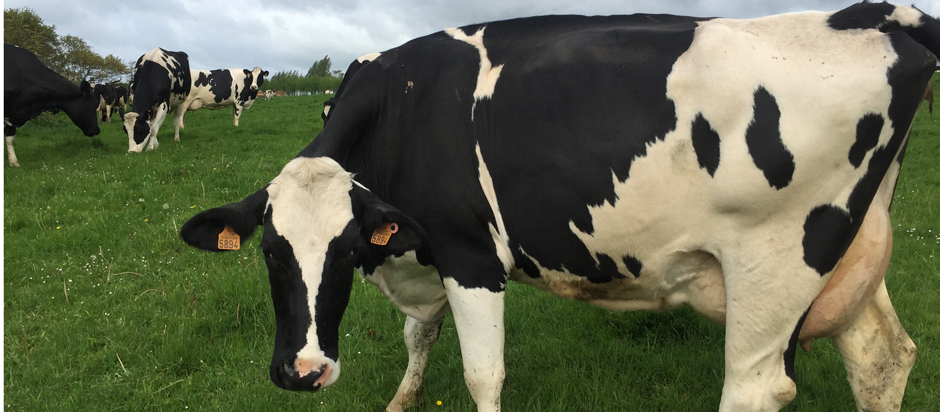
Bovine Somatotropin (BST)
In the ever-evolving world of dairy farming, innovation and scientific advancements play a crucial role in enhancing productivity and ensuring sustainable practices. One such breakthrough is Bovine Somatotropin (BST), a powerful hormone used to increase milk production in dairy cows. As a dairy farmer, veterinarian, or industry stakeholder, understanding BST—its benefits, risks, and application—is essential to making informed decisions that align with both economic goals and animal welfare standards.
This comprehensive guide aims to demystify Recombinant Bovine Somatotropin (rBST) , explore its practical applications, and provide expert insights to help you optimize your dairy operations. We will also address common questions, concerns, and the latest scientific findings, all while emphasizing SEO strategies to ensure this knowledge reaches the widest audience interested in dairy innovation.
What is Bovine Somatotropin (BST)?
Bovine Somatotropin (BST), also known as Bovine Growth Hormone (BGH), is a naturally occurring hormone produced by the pituitary gland of cattle. In its synthetic form, BST is administered to lactating dairy cows to stimulate increased milk production. This hormone works by promoting the secretion of insulin-like growth factor-1 (IGF-1), which enhances mammary gland development and milk yield.
Historical Context and Development
Discovered in the 1930s, BST’s commercial use in dairy farming began in the late 20th century. Recombinant DNA technology allowed scientists to produce synthetic BST, leading to its widespread adoption in dairy industries across North America and other regions.
How Does Bovine Somatotropin Work?
BST influences milk production through complex biological pathways:
- Stimulates Mammary Gland Growth: BST promotes cellular growth in the mammary tissue, increasing the capacity for milk synthesis.
- Enhances Milk Secretion: It elevates the levels of IGF-1, which directly stimulates alveolar cells responsible for milk production.
- Improves Nutrient Utilization: BST increases nutrient partitioning towards the mammary gland, improving efficiency.
Note: The hormone must be administered carefully, typically via injections, following specific dosage protocols to ensure safety and efficacy.
Benefits of Using Bovine Somatotropin
Using BST offers several advantages for dairy farmers aiming to boost productivity:
1. Increased Milk Yield
The primary benefit of BST is significant increases in milk production—often around 10-15% per cow. This boost can significantly improve farm profitability, especially in large-scale operations.
2. Improved Feed Efficiency
BST makes better use of nutrients in feed, leading to more milk per unit of feed consumed. This efficiency reduces feed costs and enhances overall farm sustainability.
3. Extended Lactation Period
BST can help cows maintain high milk yields longer, delaying the typical decline in production and improving lifetime productivity.
4. Better Economic Returns
With increased milk output, farmers experience higher revenue without proportionally increasing input costs, leading to improved profit margins.
5. Potential for Reduced Environmental Impact
Enhanced feed efficiency and increased milk yield per cow can reduce methane emissions and resource utilization per unit of milk produced.
Addressing Common Concerns and Risks
Despite its benefits, BST use raises questions about animal health, milk safety, and ethical considerations.
1. Animal Welfare and Health Risks
Some studies suggest that BST may be associated with increased risks of:
- Mastitis (udder infection)
- Lameness
- Reproductive issues
- Calving difficulties
However, these risks can be mitigated through proper management, monitoring, and adherence to recommended dosing protocols.
2. Milk Safety and Consumer Perception
Regulatory agencies such as the FDA have approved BST for use in dairy cattle, asserting that milk from BST-treated cows is safe for human consumption. Nonetheless, consumer concerns persist, often driven by misconceptions and ethical debates.
3. Regulatory and Legal Considerations
BST is approved in many countries but banned in others, such as the European Union. It’s vital to comply with local regulations and maintain transparency with consumers.
Practical Tips for Implementing BST in Dairy Farming
To maximize benefits and minimize risks, consider these practical tips:
1. Proper Administration and Dosage
- Follow manufacturer guidelines strictly.
- Use trained personnel for injections.
- Monitor cow responses closely.
2. Maintain Animal Health
- Implement rigorous health management programs.
- Regularly check for signs of mastitis, lameness, and reproductive issues.
- Adjust management practices as needed.
3. Record Keeping and Monitoring
- Keep detailed records of BST administration, milk yield, and health parameters.
- Use data analytics to assess effectiveness and adjust protocols.
4. Optimize Nutrition and Housing
- Provide high-quality feed to support increased milk production.
- Ensure comfortable housing to reduce stress and health issues.
5. Ethical and Consumer Transparency
- Be transparent with consumers about BST use.
- Educate customers on the safety and benefits of BST.
Scientific Insights and Latest Research
Recent studies highlight that when managed properly, BST can be a safe and effective tool in dairy production. For example:
- A study published in the Journal of Dairy Science found no significant difference in milk safety parameters between BST-treated and untreated cows.
- Research indicates that proper management minimizes health risks associated with BST.
It’s essential to stay updated with the latest research and industry guidelines to ensure responsible use.
Comparing Bovine Somatotropin with Alternatives
1. Genetic Selection and Breeding
Selective breeding can naturally enhance milk yield without hormone use, though it takes longer and may involve higher costs.
2. Nutritional Strategies
Optimizing diet and feed management can improve milk production organically.
3. Emerging Technologies
Innovations like precision farming and data analytics can help maximize productivity sustainably.
Frequently Asked Questions (FAQs)
Q1: Is Bovine Somatotropin safe for cows?
A: When used according to guidelines, BST is generally safe for healthy cows. Proper management reduces the risk of health issues.
Q2: Does BST affect milk quality?
A: Regulatory agencies confirm that BST does not alter milk composition or safety.
Q3: Is BST legal everywhere?
A: No. BST is approved in countries like the US, Canada, and Australia but banned or restricted in the EU and some other regions.
Q4: How much does BST cost?
A: Costs vary depending on dosage, farm size, and region. Consider the cost-benefit analysis to determine profitability.
Q5: Can I use BST on organic farms?
A: Typically, no. Organic standards usually prohibit hormone use, including BST.
Related Feedback and Community Insights
Farmers and industry experts often ask:
- How can I balance BST use with animal welfare?
- What management practices ensure maximum benefits?
- How do consumer perceptions impact marketability?
Engaging with veterinary professionals, participating in industry forums, and maintaining transparency can help address these concerns.
Sedator 1mg/ml Solution for Cats & Dogs
Conclusion
Bovine Somatotropin (BST) remains a valuable tool for modern dairy farmers seeking to enhance productivity, efficiency, and profitability. When implemented responsibly, with attention to animal health and regulatory compliance, BST can provide significant benefits without compromising milk safety or animal welfare.
As the dairy industry continues to evolve, staying informed about scientific insights, technological advances, and consumer expectations is essential. Use this comprehensive guide as a foundation to make strategic decisions about BST, and explore further resources to optimize your dairy operations.
Final Thoughts
- Conduct thorough cost-benefit analyses before adopting BST.
- Prioritize animal health and welfare.
- Stay updated with regulatory changes and scientific research.
- Engage with consumers transparently to build trust.
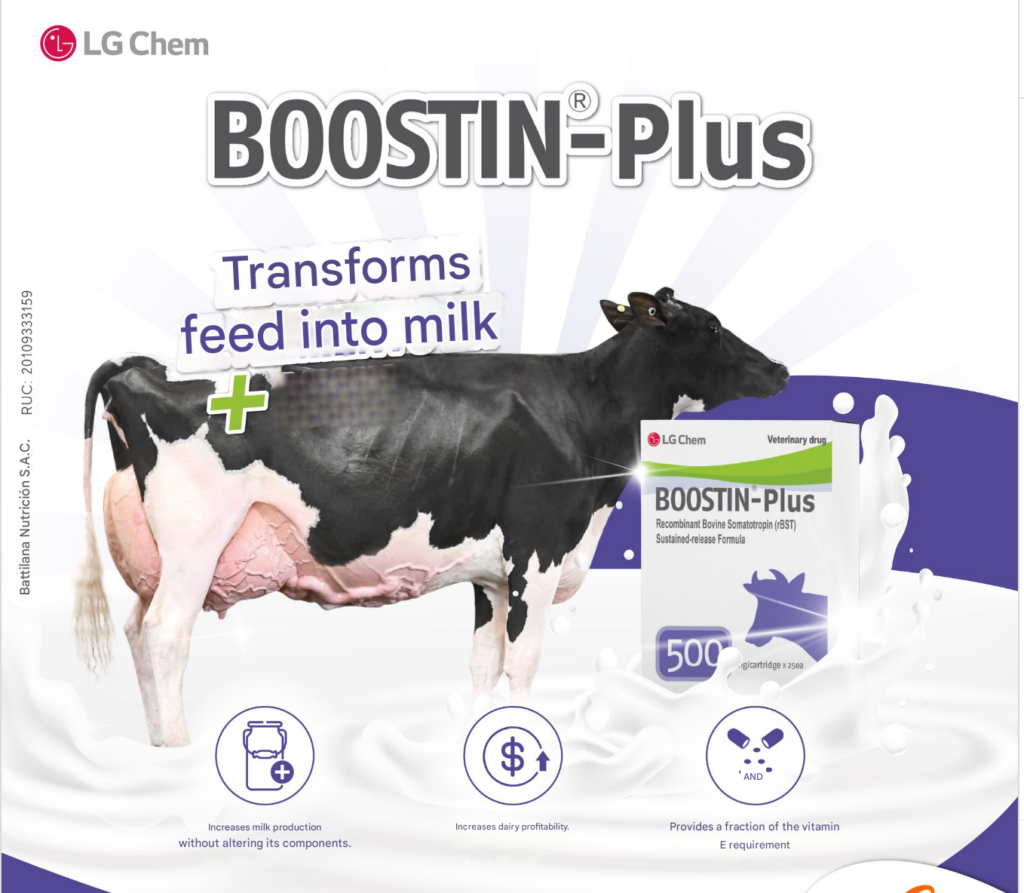
Interested in boosting your dairy farm productivity? Explore trusted products like Boostin Plus 500mg for safe and effective hormone management.
Questions or feedback? Feel free to share your experiences or ask questions in the comments section below. Your insights help build a knowledgeable and responsible dairy farming community.