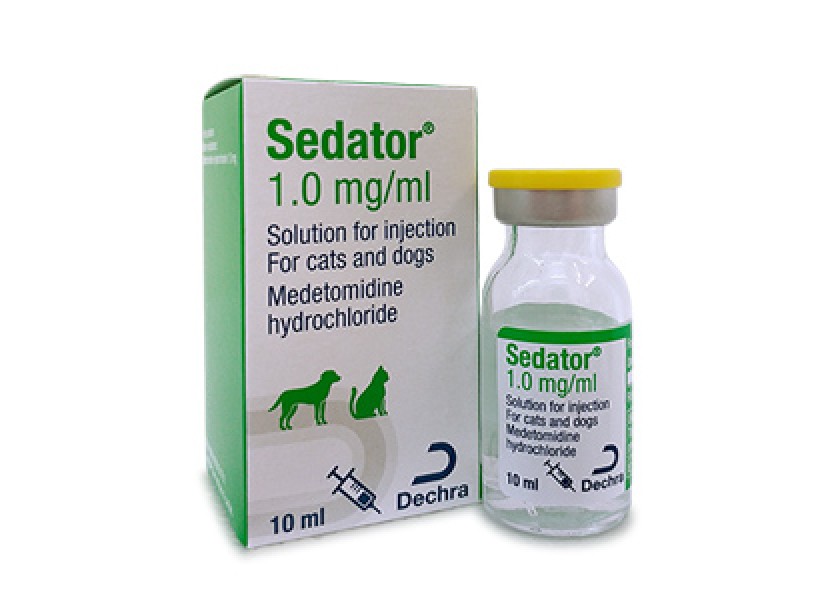
When it comes to the well-being of our beloved cats and dogs, ensuring their safety and comfort during medical procedures or behavioral management is paramount. Sedation plays a crucial role in veterinary medicine, helping animals undergo procedures with minimal stress and pain. Among the many sedatives available, Sedator 1mg/ml solution for Cats & Dogs has gained popularity for its efficacy and safety profile.
In this comprehensive guide, we explore everything you need to know about Sedator 1mg/ml solution, including its uses, dosage, safety precautions, benefits, side effects, and frequently asked questions. Whether you’re a pet owner or a veterinarian, this article aims to provide valuable insights to help you make informed decisions regarding sedation management for your pets.
What is Sedator 1mg/ml Solution?
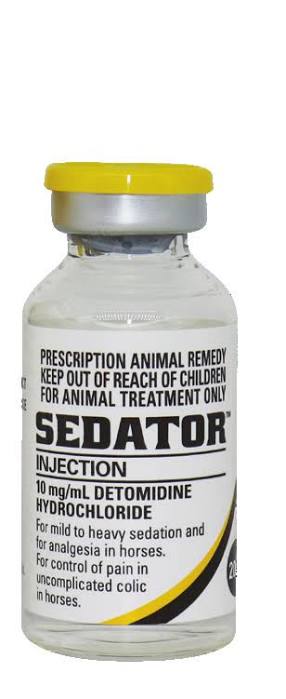
Sedator 1mg/ml solution is a veterinary sedative used for calming cats and dogs during diagnostic procedures, surgeries, grooming, or behavioral interventions. It contains a specific concentration of a sedative agent designed to induce relaxation and reduce anxiety, facilitating smoother veterinary care.
This solution is formulated to be administered via injection, ensuring quick absorption and effective sedation. Its precise dosage allows veterinarians to tailor the sedation level according to the animal’s size, health status, and procedure requirements.
Composition and Pharmacology
While the exact formulation may vary by manufacturer, Sedator 1mg/ml typically contains active ingredients such as medetomidine or dexmedetomidine, which are alpha-2 adrenergic agonists. These compounds work by affecting the central nervous system to produce sedation, analgesia, and muscle relaxation.
Why Use Sedator 1mg/ml Solution for Cats & Dogs?
Pet owners and veterinarians choose Sedator 1mg/ml for various reasons:
- Calm Anxiety and Stress: Helps manage animals that are anxious or aggressive during vet visits.
- Facilitate Medical Procedures: Eases the process of injections, blood draws, imaging, or dental work.
- Reduce Movement During Surgery: Ensures animals remain still during minor surgeries or diagnostic tests.
- Behavioral Management: Used in behavioral modification programs under professional supervision.
Advantages of Sedator 1mg/ml Solution
- Rapid Onset: Provides quick sedation, reducing waiting time.
- Adjustable Dosing: Suitable for different animal sizes and health conditions.
- Reversible: Its effects can be reversed with specific antagonists like atipamezole.
- Safe Profile: When used correctly, it offers a safe and effective sedation option.
How to Administer Sedator 1mg/ml Solution
Administering Sedator 1mg/ml should always be performed by a qualified veterinarian or trained professional. Proper dosing and administration technique are critical to ensure safety and efficacy.
Dosage Guidelines
The dosage depends on factors such as species, weight, age, health status, and the nature of the procedure. Typical dosing ranges are:
- Dogs: 0.005 to 0.02 mg/kg body weight.
- Cats: 0.01 to 0.03 mg/kg body weight.
Note: Always refer to the manufacturer’s instructions or veterinary guidance for precise dosing.
Administration Route
- Intramuscular (IM): Most common method.
- Subcutaneous (SC): Sometimes used for less invasive procedures.
- Intravenous (IV): For rapid onset, but requires skilled administration.
Monitoring During Sedation
- Continuous monitoring of vital signs (heart rate, respiration, blood pressure) is essential.
- Be prepared to administer reversal agents if necessary.
- Observe for any adverse reactions.
Safety Precautions and Contraindications
While Sedator 1mg/ml is generally safe when used appropriately, certain precautions are necessary:
- Contraindications:
- Animals with cardiovascular disease.
- Pregnant or lactating animals.
- Animals with hepatic or renal impairment.
- Animals with known hypersensitivity to the active ingredients.
- Precautions:
- Always conduct a thorough health assessment before sedation.
- Use the correct dose based on weight and health status.
- Avoid rapid injection to prevent adverse cardiovascular effects.
- Be cautious in geriatric or debilitated animals.
Reversal of Sedation
The sedative effects of Sedator 1mg/ml can be quickly reversed using atipamezole or other appropriate antagonists, allowing animals to regain full alertness promptly.
Potential Side Effects and Risks
Although generally safe, some animals may experience side effects, especially if overdosed or in sensitive individuals:
- Cardiovascular effects: Bradycardia, hypotension.
- Respiratory depression: Reduced breathing rate.
- Gastrointestinal disturbances: Vomiting or nausea.
- Behavioral reactions: Aggression or agitation during recovery.
In case of adverse reactions, immediate veterinary intervention is necessary.
Comparing Sedator 1mg/ml to Other Sedatives
When choosing a sedative, it’s essential to consider options:
| Sedative Agent | Onset | Duration | Reversibility | Common Uses | Side Effects |
|---|---|---|---|---|---|
| Sedator 1mg/ml | Fast | Short to moderate | Yes (with antagonists) | Diagnostic, minor surgery | Mild, manageable |
| Acepromazine | Moderate | Long | No | Sedation, tranquilization | Hypotension, sedation |
| Dexmedetomidine | Fast | Moderate | Yes | Sedation, analgesia | Bradycardia, dry mouth |
Sedator 1mg/ml stands out for its quick action, reversibility, and controllability, making it a preferred choice for many veterinarians.
Frequently Asked Questions (FAQs)
1. Is Sedator 1mg/ml solution safe for all cats and dogs?
Most healthy animals tolerate Sedator 1mg/ml well when administered correctly. However, animals with certain health conditions or sensitivities may require alternative sedation protocols. Always consult with a veterinarian before use.
2. How long does the sedation last?
Typically, sedation lasts between 30 minutes to 2 hours, depending on the dose, species, and individual response.
3. Can I administer Sedator 1mg/ml at home?
No. Sedation with Sedator 1mg/ml should only be performed by a qualified veterinarian or trained professional to ensure safety.
4. How do I reverse the effects of Sedator?
The effects can be reversed with atipamezole, administered under veterinary supervision.
5. What are the signs of overdose?
Overdose signs include severe cardiovascular depression, respiratory distress, collapse, or coma. Immediate veterinary care is required.
Feedback and Recommendations from Pet Owners and Veterinarians
- Many veterinarians appreciate the predictability and safety profile of Sedator 1mg/ml, especially for minor procedures.
- Pet owners have reported less stress and anxiety for their pets when sedation is managed properly.
- Proper training and adherence to dosing protocols are essential for optimal results.
- Always choose high-quality, approved formulations from reputable manufacturers.
Conclusion
Sedator 1mg/ml solution for Cats & Dogs is a versatile and effective sedative for veterinary use, offering rapid onset, adjustable dosing, and reversibility. Proper administration, monitoring, and understanding of its safety profile are key to ensuring the well-being of your pets.
If you are considering sedation for your pet, consult with a qualified veterinarian to determine the most appropriate protocol tailored to your pet’s health and needs. Responsible use of Sedator 1mg/ml can significantly improve the veterinary experience for both animals and their owners.
Additional Resources
- Miraduck Solutions – Veterinary Sedatives
- Consult your veterinarian for personalized advice.
- Always use medications as prescribed and follow safety guidelines.
Remember: Your pet’s health and safety come first. Proper sedation management can make veterinary procedures smoother and less stressful for everyone involved.