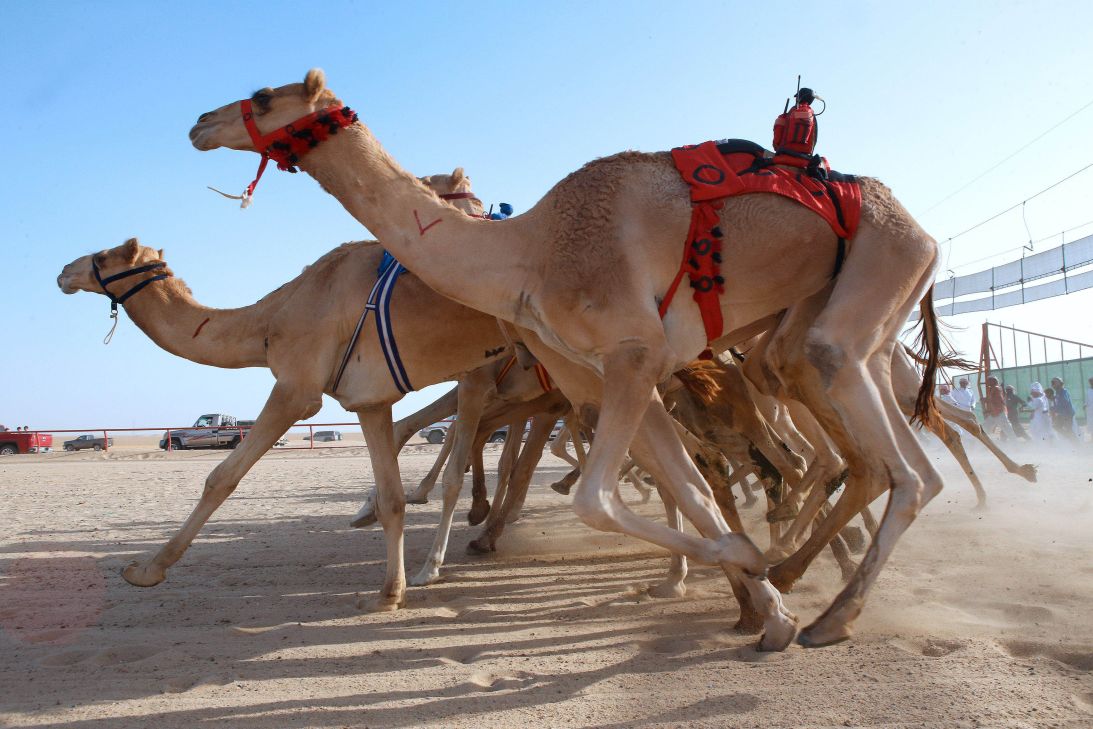
Camel racing is a captivating sport that blends tradition, skill, and modern technology. From ancient Bedouin tribes to global audiences, camel racing has evolved into a sophisticated industry that honors cultural heritage while embracing innovation. In this comprehensive guide, we delve into the fascinating world of camel racing—its history, techniques, racing culture, and the latest technological advancements shaping its future.
1. What is Camel Racing?
Camel racing is a traditional sport involving the racing of camels over a set distance, typically ranging from 4 km to 10 km. The sport is especially popular in Middle Eastern countries such as the United Arab Emirates, Saudi Arabia, Qatar, and Oman, as well as in North African nations, Australia, and parts of Asia.
Unlike horse racing, camel racing features specially bred and trained camels, known as “ships of the desert,” competing for prizes, fame, and cultural honor. The sport attracts thousands of spectators and is considered a symbol of cultural identity in many regions.
Keywords: Camel racing, camel race, desert sport, Middle Eastern racing, traditional sports
2. The History of Camel Racing
Origins and Ancient Roots
Camel racing’s origins trace back thousands of years in Arabian Peninsula and North African cultures. Historically, camels were vital for transportation, trade, and survival in harsh desert environments. Over time, communities began to organize races as a form of entertainment and to showcase the strength and endurance of their camels.
Evolution Over Time
In the early days, camel races were informal, with tribes competing during festivals and gatherings. The advent of technology and modernization transformed camel racing into a lucrative sport, with official races, betting, and international recognition.
Cultural Significance
Camel racing is more than just sport; it embodies cultural values such as endurance, resilience, and community pride. The sport’s roots are deeply embedded in Bedouin traditions, where it is celebrated through festivals, poetry, and social gatherings.
Keywords: History of camel racing, origins of camel racing, Arabian camel racing, cultural significance of camel racing
3. Cultural Significance of Camel Racing
Camel racing holds a revered place in Middle Eastern and North African societies, symbolizing strength, endurance, and tradition. It is a communal event that fosters national pride and cultural identity.
Festivals and Celebrations
In countries like the UAE and Saudi Arabia, camel racing festivals are major events that attract international tourists and media coverage. These festivals often include traditional music, dance, poetry, and marketplace activities.
Social and Economic Impact
Camel racing generates significant economic benefits through tourism, breeding industries, and betting. It also reinforces social cohesion within tribes and communities.
Preservation of Heritage
Despite modernization, efforts are underway to preserve the cultural essence of camel racing. Many regions strictly regulate the sport to ensure it remains a respectful homage to tradition.
Keywords: Cultural importance of camel racing, camel racing festivals, Middle Eastern traditions, heritage preservation
4. How Camel Racing Works
Understanding the mechanics of camel racing involves examining the race structure, training methods, and the role of jockeys.
Race Format and Rules
- Distances typically range from 4 km to 10 km.
- Races are conducted on flat, sandy tracks.
- The start is usually synchronized, and the race concludes when the first camel crosses the finish line.
- Jockeys, often young children or professional riders, steer the camels using reins and commands.
The Role of Jockeys
Historically, jockeys were children, but modern regulations restrict this practice due to ethical concerns. Today, professional adult jockeys or robotic jockeys are used.
Training Regimens
Camels undergo rigorous training focusing on stamina, speed, and obedience. Trainers use specialized diets, exercise routines, and behavioral conditioning to optimize performance.
Keywords: Camel race rules, camel racing process, camel jockeys, camel training methods
5. Training and Care of Racing Camels
Proper care and training are crucial for a winning camel.
Breeding
Elite racing camels are selectively bred for speed, endurance, and temperament. Breeders focus on genetics, health, and lineage.
Nutrition
A balanced diet rich in grains, hay, and supplements supports stamina and muscle development.
Exercise and Conditioning
Training involves daily exercise, hill climbing, and speed drills. Rest periods are essential to prevent injuries.
Health and Veterinary Care
Regular veterinary checkups ensure optimal health, preventing diseases and injuries. De-worming, vaccination, and foot care are integral.
Keywords: Racing camel care, camel breeding, camel nutrition, camel health
6. The Equipment and Gear Used in Camel Racing
Camel racing involves specialized equipment to enhance performance and safety.
Racing Saddles and Harnesses
Lightweight saddles and harnesses reduce weight and improve speed.
Robotic Jockeys
Recently, robotic jockeys have replaced child jockeys, ensuring safety and fairness.
Tracking and Timing Devices
GPS trackers and timing sensors record performance metrics, helping trainers analyze and improve racing strategies.
Safety Gear
Protective gear for camels and jockeys ensures safety during high-speed races.
Keywords: Camel racing equipment, robotic jockeys, tracking devices, safety gear
7. Modern Innovations in Camel Racing
Technology has revolutionized camel racing, making it more humane, efficient, and competitive.
Robotic Jockeys
Robotic jockeys are programmed to control speed and steering, eliminating ethical concerns related to child jockeys.
Data Analytics
Advanced tracking and data analysis help trainers optimize training and race strategies.
Betting and Online Platforms
Digital betting platforms have expanded the sport’s popularity and accessibility.
Sustainability Efforts
Organizations promote sustainable breeding and racing practices to protect camel welfare and environmental impacts.
Keywords: Camel racing innovations, robotic jockeys, data analytics in camel racing, sustainable camel racing
8. Legal and Ethical Aspects
Camel racing faces scrutiny over animal welfare and ethical considerations.
Regulations and Animal Welfare
Many countries have enacted laws to prevent cruelty, regulate training, and ensure humane treatment.
Ethical Concerns
Issues include the use of child jockeys, doping, and mistreatment. Modern reforms aim to address these concerns through legislation and technological solutions.
International Standards
Organizations like the International Federation of Arabian Horse Racing Authorities (IFAHR) promote ethical standards globally.
Keywords: Camel racing regulations, animal welfare, ethical practices in camel racing, banning child jockeys
9. Major Camel Racing Events Worldwide
The Abu Dhabi Camel Racing Festival
One of the most prestigious events, showcasing top racing camels and attracting international spectators.
The Dubai Camel Racing Cup
Features high-stakes races with sophisticated technology and global participation.
The Saudi Camel Festival
Celebrates Bedouin traditions with races, cultural exhibitions, and competitions.
Australian Camel Cup
A popular event blending traditional racing with entertainment.
Keywords: Major camel racing events, Abu Dhabi camel festival, Dubai camel cup, Australian camel race
10. The Future of Camel Racing
Camel racing continues to evolve, embracing technology and ethical practices to ensure its sustainability.
Integration of Technology
Robotics, AI, and data analytics will further refine training and racing strategies.
Cultural Preservation
Efforts are ongoing to preserve traditional aspects while modernizing the sport.
Global Expansion
Interest from international audiences and investors could lead to more global events and recognition.
Animal Welfare Initiatives
Enhanced regulations and technological solutions aim to improve camel welfare.
Keywords: Future of camel racing, technological advancements, cultural preservation, animal welfare
11. Frequently Asked Questions (FAQs)
Q1: Is camel racing safe for the animals?
A: With proper regulations, humane training, and technological innovations like robotic jockeys, camel racing is becoming safer and more ethical.
Q2: Can anyone participate in camel racing?
A: Participation is usually limited to trained professionals and licensed breeders. Amateur participation is rare but possible through organized events.
Q3: How can I watch camel racing?
A: Major races are broadcast online, and many festivals are open for spectators. Check local event schedules and official websites.
Q4: What are the main ethical concerns?
A: Child jockeys, doping, and mistreatment are primary concerns, now addressed through regulations and technology.
Q5: How can I get involved in camel racing?
A: You can start by learning about camel breeding, training, and participating in local events or supporting organizations that promote ethical practices.
12. Conclusion
Camel racing is a vibrant tradition that beautifully marries history with modernity. As the sport continues to adapt through technological innovation and ethical reforms, it remains a testament to resilience, cultural pride, and the enduring bond between humans and camels. Whether you’re a passionate enthusiast, a cultural explorer, or a potential participant, understanding the intricacies of camel racing offers a window into a fascinating world rich with tradition and innovation.