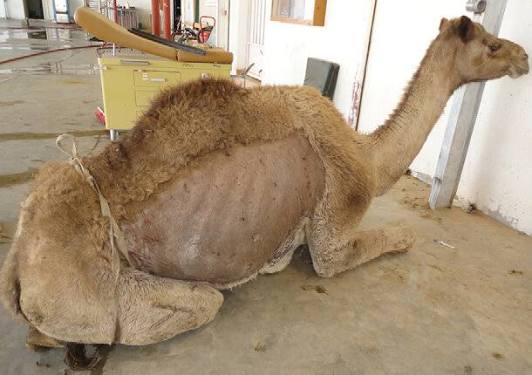
Camels, often called the “ships of the desert,” are vital to the livelihood of millions in arid regions across Africa, the Middle East, and Asia. Their resilience and adaptability make them invaluable for transportation, milk production, and meat. However, despite their hardy nature, camels are susceptible to various health issues, particularly liver-related problems that can significantly impact their health, productivity, and longevity.
One of the critical aspects of maintaining optimal camel health is ensuring proper liver function. The liver plays a central role in detoxification, metabolism, and overall vitality. When liver function is compromised, camels may experience decreased feed efficiency, reduced milk yield, poor growth rates, and increased susceptibility to diseases.
What Are Liver Function Stimulants for Camels?
Liver function stimulants are specialized supplements designed to support and enhance the activity of the liver in camels. These products aim to detoxify the liver, stimulate hepatic cell regeneration, and improve overall metabolic health. Proper use of liver stimulants can lead to healthier animals, better feed conversion, and increased productivity.
In this article, we will explore the importance of liver health in camels, the types of liver function stimulants available, their benefits, and how to effectively incorporate them into camel health management programs.
Understanding Camel Liver Health: Why Is It Crucial?
The Role of the Liver in Camel Health
The liver is the body’s largest internal organ and performs numerous vital functions:
- Detoxification: The liver filters toxins from the bloodstream, including metabolic waste, pesticides, and other environmental pollutants.
- Metabolism: It processes nutrients from feed, converting them into energy and essential compounds.
- Protein Synthesis: The liver produces vital proteins, including clotting factors and enzymes.
- Storage: It stores vitamins, minerals, and glycogen for energy reserves.
- Bile Production: Essential for fat digestion and absorption.
Common Liver-Related Issues in Camels
Camels are exposed to various factors that can impair liver health, such as:
- Infectious Diseases: Liver flukes (Fasciola spp.), hepatitis viruses, and other parasitic infections.
- Toxic Substances: Ingestion of contaminated feed, water, or plants containing hepatotoxic compounds.
- Nutritional Deficiencies: Lack of essential nutrients like antioxidants, vitamins, and minerals.
- Environmental Stress: Extreme weather conditions and dehydration can strain liver functions.
- Poor Management: Inadequate sanitation, exposure to pollutants, and improper medication use.
Symptoms of Liver Dysfunction in Camels
Recognizing early signs of liver problems is crucial:
- Loss of appetite
- Jaundice (yellow discoloration of mucous membranes)
- Weakness and lethargy
- Swelling of the abdomen (ascites)
- Dark urine
- Diarrhea or constipation
- Reduced milk production
- Poor growth rates
The Importance of Liver Function Stimulants in Camel Health Management
Why Use Liver Function Stimulants?
Supporting liver health is essential for maintaining overall animal performance. Liver function stimulants can:
- Accelerate detoxification processes
- Support hepatic cell regeneration
- Improve feed efficiency and nutrient absorption
- Boost immune response
- Reduce the risk of liver-related diseases
Benefits of Using Liver Stimulants for Camels
Implementing liver stimulants offers multiple advantages:
- Enhanced metabolic health
- Increased milk yield and quality
- Improved growth rates
- Better resilience to infections
- Faster recovery from illness
- Support during periods of stress or medication
Types of Liver Function Stimulants for Camels
Several formulations are available in the market, each with unique ingredients and mechanisms of action. Here, we’ll review the most common types.
1. Herbal and Natural Liver Stimulants
These are based on herbal extracts and natural compounds known for hepatoprotective properties.
Examples include:
- Milk thistle (Silybum marianum)
- Licorice root (Glycyrrhiza glabra)
- Turmeric (Curcuma longa)
- Dandelion root (Taraxacum officinale)
Advantages: Generally safe, with fewer side effects, and can be used as preventive measures.
2. Pharmaceutical and Synthetic Liver Support Products
These are formulated with active compounds that directly support liver function.
Common ingredients:
- Silymarin (from milk thistle)
- SAMe (S-Adenosylmethionine)
- N-acetylcysteine (NAC)
- Essential amino acids
- Vitamins (B-complex, E, K)
3. Commercial Liver Support Supplements
Many products combine herbal and synthetic ingredients for a comprehensive approach.
Notable Example:
Hepaprot 100ml — a liver stimulant designed specifically for animals, including camels.
Spotlight: Hepaprot 100ml — A Leading Liver Stimulant for Camels
Hepaprot is a popular liver support product formulated to aid in detoxification, support hepatic regeneration, and improve overall liver health. According to the product description from Miraduck Solutions, it contains a blend of herbal and pharmaceutical ingredients designed to optimize liver function.
Key Features of Hepaprot
- Supports liver detoxification
- Boosts hepatic cell regeneration
- Enhances metabolic processes
- Safe for use in camels and other livestock
- Easy to administer (liquid form)
How Does Hepaprot Work?
Hepaprot contains active ingredients that:
- Stimulate the production of bile, aiding digestion
- Neutralize toxins and free radicals
- Promote liver cell regeneration
- Support immune functions
Usage Guidelines
- Dosage varies based on animal weight and health status
- Typically administered via oral drench
- Can be used during disease recovery, stress periods, or as a preventive measure
Benefits for Camels
- Improved appetite and feed conversion
- Enhanced milk production
- Faster recovery from liver-affecting diseases
- Improved overall vitality and resilience
How to Incorporate Liver Function Stimulants into Camel Health Programs
Assessing the Need
Before administering any supplement, assess the camel’s health, diet, environment, and exposure risks. Consult with a veterinarian for proper diagnosis and tailored treatment plans.
Timing of Administration
- Preventive: During periods of high stress, environmental changes, or poor forage availability
- Therapeutic: During or after illness, parasitic infections, or toxin exposure
- Supportive: During medication courses that may affect the liver
Dosage and Duration
Follow manufacturer recommendations or veterinary advice. Typically, a course spans 3–7 days, with possible repeat courses based on health status.
Complementary Management Practices
- Ensure nutritionally balanced diets rich in antioxidants
- Control parasitic infections
- Maintain hygiene and sanitation
- Provide clean water
- Minimize environmental stressors
Frequently Asked Questions (FAQs)
1. What are the best liver stimulants for camels?
The choice depends on the specific needs, health status, and recommendations from a veterinarian. Products like Hepaprot are highly regarded for their efficacy.
2. Can liver stimulants be used as a preventive measure?
Yes, especially during stress periods, environmental challenges, or in animals exposed to toxins or parasitic infections.
3. Are herbal liver stimulants safe for camels?
Generally, herbal supplements are safe when used appropriately. However, always consult a veterinarian before use.
4. How long does it take to see results?
Improvements can be observed within a few days to weeks, depending on the health condition and treatment protocol.
5. Can liver stimulants be combined with other medications?
Yes, but only under veterinary supervision to avoid interactions.
6. What are signs of liver health improvement?
Increased appetite, better feed conversion, improved milk yield, and disappearance of jaundice or other symptoms.
Conclusion
Maintaining optimal liver health is fundamental to ensuring the productivity, resilience, and overall well-being of camels. Liver function stimulants, such as Hepaprot and other scientifically formulated products, play a vital role in supporting hepatic functions, detoxification, and regeneration.
By integrating these supplements into a comprehensive health management program—alongside good nutrition, parasite control, and environmental management—camel owners can significantly enhance their animals’ performance and longevity.
Remember: Always consult with a qualified veterinarian before introducing any new supplement or medication into your camel’s routine. Proper diagnosis, dosing, and management are key to achieving the best outcomes.
References
- Miraduck Solutions. (n.d.). Hepaprot 100ml Product Page. Retrieved from https://miraducksolutions.com/product/hepaprot-100ml/
- Kahn, C. M., & Hays, V. W. (2005). Essentials of Veterinary Hematology. Wiley-Blackwell.
- Smith, B. P. (2014). Large Animal Internal Medicine. Elsevier Saunders.
- FAO Livestock Technology Series. (2018). Camel Health and Disease Management.