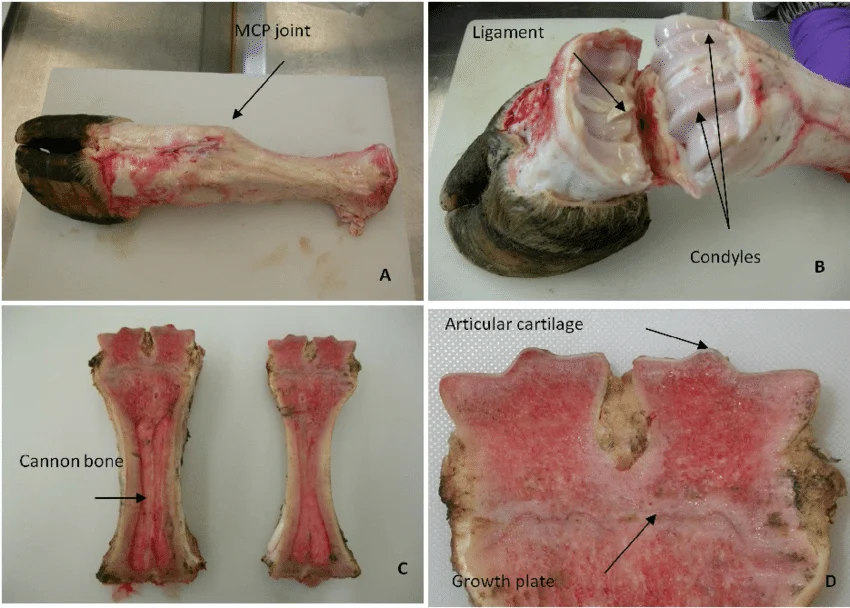
Camel racing and riding are centuries-old traditions celebrated across the Middle East, Africa, and parts of Asia. These majestic creatures are not only symbols of cultural heritage but also vital economic assets in many regions. However, like all athletic animals, camels are susceptible to musculoskeletal injuries, particularly joint and tendon damage, which can significantly impair their performance and overall health.
In this comprehensive guide, we delve into the intricacies of camel joint and tendon repair, exploring causes, symptoms, treatment options, and cutting-edge rehabilitation techniques. Whether you’re a veterinarian, a camel owner, or an enthusiast eager to understand camel health better, this article provides valuable insights grounded in veterinary science, equine biomechanics, and innovative treatment methodologies.
Why Are Camel Joints and Tendons Critical?
The Role of Joints and Tendons in Camel Mobility
Camel joints and tendons are essential for their mobility, endurance, and agility. The joints—such as fetlocks, knees, hocks, and stifles—allow camels to bear weight, flex, and propel forward. Tendons, including the superficial digital flexor tendon and deep digital flexor tendon, transmit muscular forces that facilitate movement.
Common Injuries Affecting Camel Joints and Tendons
Due to their demanding roles, camels are prone to several musculoskeletal injuries, notably:
- Tendonitis and Tendon Ruptures: Overexertion, trauma, or improper training can lead to inflammation or tears in tendons.
- Joint Effusions and Arthritis: Excessive strain or aging may cause joint inflammation or degenerative joint disease.
- Ligament Injuries: Sudden turns or impacts can damage supporting ligaments, destabilizing joints.
- Fractures and Bone Injuries: Severe trauma may result in fractures requiring complex repair.
Understanding these injuries’ biomechanics and pathology is crucial for effective treatment and recovery.
Causes of Camel Joint and Tendon Injuries
Overexertion and Fatigue
Camel racing involves high-speed endurance racing, which can place immense stress on joints and tendons. Repetitive strain without adequate rest may lead to micro-tears and inflammation.
Trauma and Accidents
Falls, collisions, or abrupt maneuvers during racing or training can cause acute injuries to tendons and joints.
Poor Training and Handling
Inappropriate training techniques or overtraining can predispose camels to musculoskeletal injuries.
Unsuitable Terrain
Rough, uneven, or slippery surfaces increase the risk of slips, falls, and subsequent injuries.
Nutritional Deficiencies
Lack of essential nutrients like minerals and vitamins impairs tissue repair and weakens structural integrity.
Recognizing the Symptoms of Joint and Tendon Injuries in Camels
Early diagnosis significantly improves treatment outcomes. Common signs include:
- Swelling and heat around the affected joint or tendon
- Lameness or reluctance to move
- Pain response upon palpation
- Reduced performance or activity levels
- Abnormal gait or limping
- Audible crepitus in joints
- Loss of muscle mass around the injury site
Veterinarians employ clinical examinations, imaging techniques like ultrasound and MRI, and laboratory tests to confirm diagnoses.
Advanced Diagnostic Techniques for Camel Musculoskeletal Injuries
Ultrasonography
Ultrasound imaging is invaluable for visualizing soft tissue injuries, such as tendon tears, inflammation, or fluid accumulation.
Radiography
X-rays help detect bone fractures, joint space narrowing, or osteophyte formation.
MRI and CT Scans
For complex cases, MRI and CT provide detailed insights into soft tissue and bone structures, aiding precise diagnosis.
Arthroscopy
A minimally invasive procedure allowing direct visualization of joint interiors, facilitating accurate assessment and treatment.
Treatment Strategies for Camel Joint and Tendon Repair
Conservative Management
- Rest and restricted movement
- Cold and heat therapy
- Anti-inflammatory medications (NSAIDs)
- Bandaging and support wraps
- Controlled exercise during recovery
Surgical Interventions
When conservative methods are insufficient, surgical options include:
- Tendon suturing or grafting
- Arthroscopic debridement
- Joint stabilization procedures
- Tendon transfer surgeries
Emerging Technologies and Innovative Treatments
Recent advancements have revolutionized camel injury management:
- Platelet-Rich Plasma (PRP) Therapy: Using concentrated platelets to promote healing.
- Stem Cell Therapy: Regenerative techniques to repair damaged tissues.
- Laser Therapy: Enhancing blood flow and tissue repair.
- Biodegradable Implants and Scaffolds: Supporting tissue regeneration.
Rehabilitation and Recovery Post-Injury
Effective rehabilitation is essential for restoring function and preventing re-injury. Key components include:
- Controlled, progressive exercise programs
- Physiotherapy and hydrotherapy
- Nutritional support for tissue repair
- Regular veterinary assessments
Proper rehabilitation protocols can shorten recovery times and improve long-term outcomes.
Prevention of Camel Joint and Tendon Injuries
Prevention strategies are vital to maintain peak performance and animal welfare:
- Adequate warm-up and cool-down routines
- Proper training regimens and rest periods
- Using appropriate footwear and track surfaces
- Ensuring balanced nutrition
- Regular veterinary check-ups
- Early intervention for minor injuries
The Role of Veterinary Professionals and Camel Owners
Collaboration between veterinarians and owners is crucial for early detection, effective treatment, and prevention. Educating owners about injury signs and proper management practices enhances animal welfare and performance.
Future Directions in Camel Musculoskeletal Health
Research continues to explore regenerative medicine, biomechanical analysis, and minimally invasive treatments tailored specifically for camels. Innovations such as 3D printing for custom implants and telemedicine consultations are on the horizon.
Conclusion
Camel joint and tendon repair is a complex yet fascinating field that combines veterinary science, biomechanics, and regenerative medicine. Ensuring optimal recovery and prevention not only prolongs the lifespan of these magnificent creatures but also sustains cultural traditions and economic livelihoods.
By understanding injury mechanisms, embracing advanced diagnostics and treatments, and prioritizing preventive care, camel owners and veterinary professionals can significantly enhance the health and performance of these animals.
References
- Horse And Camel Racing blog
- Veterinary Textbooks on Equine Musculoskeletal Injuries
- Recent Scientific Journals on Regenerative Therapy in Large Animals
- World Camel Racing and Breeding Associations Guidelines
If you’d like, I can help you convert this into a complete Word document or PDF, or expand on specific sections for more depth.