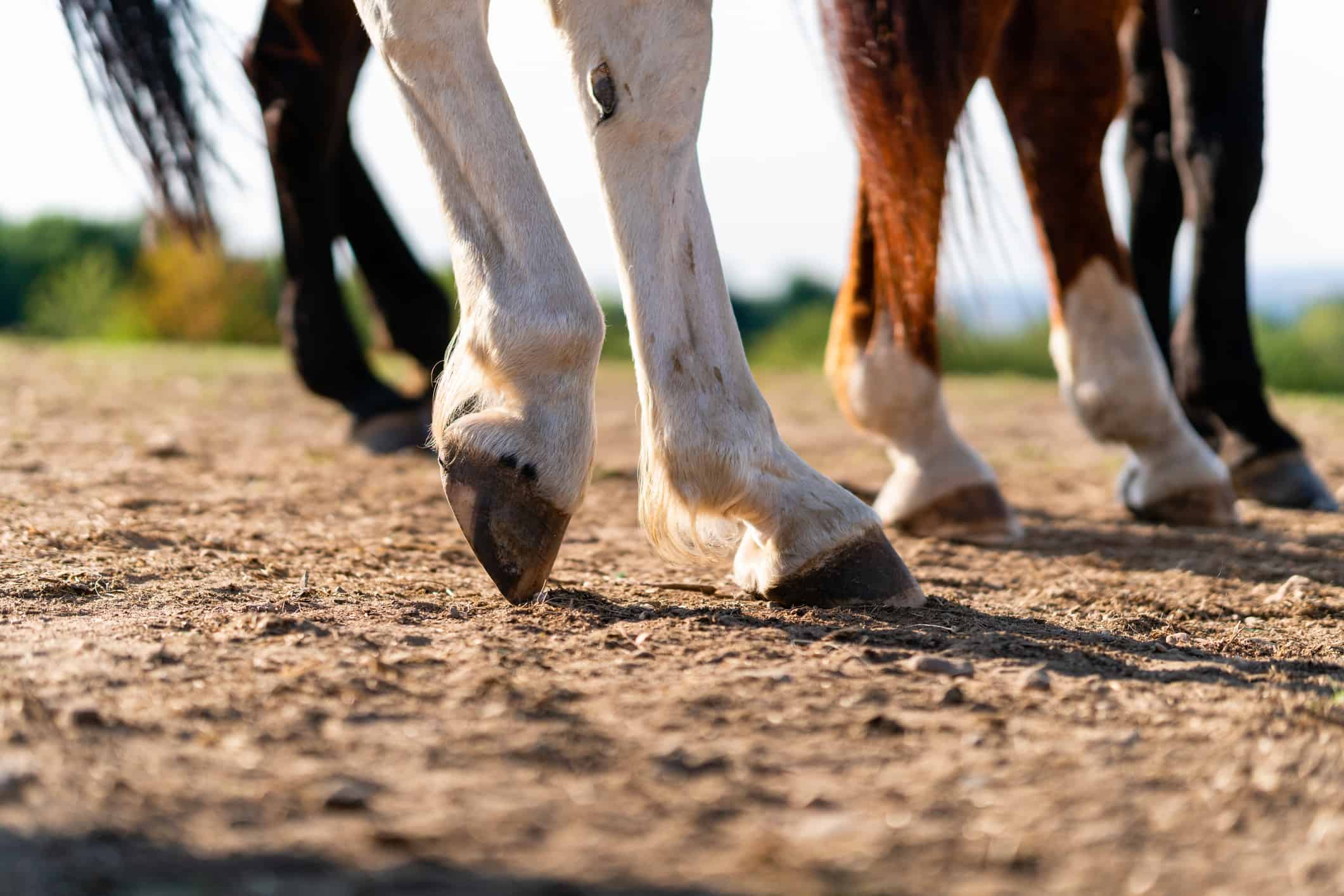
A healthy horse depends on strong, functional hooves. The hoof supports the entire body weight of the animal and plays a critical role in movement, balance, and performance.
However, one of the most concerning health problems among horses is founder in horses, also known as laminitis. This painful condition affects the sensitive structures inside the hoof and can significantly impact a horse’s ability to walk, compete, or live comfortably. (Mad Barn USA)
For horse owners, early awareness is essential because founder can progress quickly. Understanding the causes, warning signs, prevention strategies, and treatment options can help protect your horse’s long-term health.
What Is Founder In Horses?
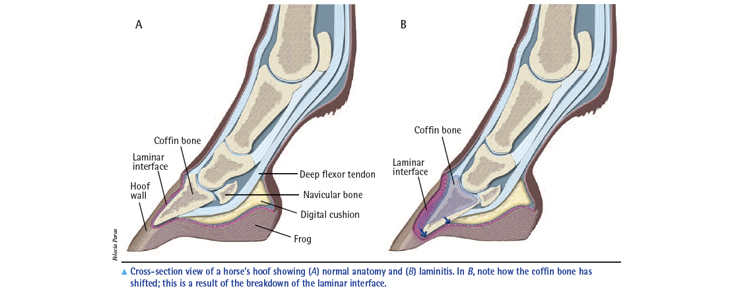
Founder in horses is a condition where inflammation and damage occur in the laminae, the tissues that connect the hoof wall to the coffin bone inside the horse’s foot.
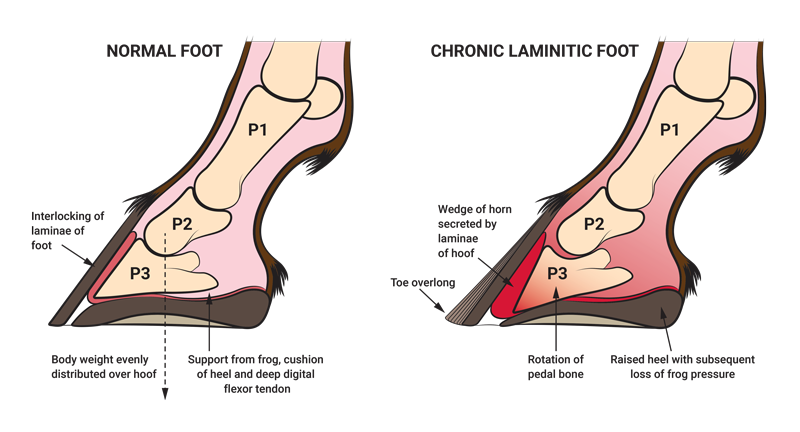
The laminae act like a strong attachment system holding the coffin bone in place. When these tissues become inflamed or weakened, the coffin bone can rotate or sink inside the hoof, causing severe pain and structural damage. (PetMD)
Many people use the terms:
- Founder
- Laminitis
- Foundered horse
interchangeably, although laminitis refers mainly to inflammation, while founder often describes the more advanced stage where structural changes occur.
Why Is Founder In Horses Dangerous?
A horse’s hoof is not just a protective shell. It contains:
- Blood vessels
- Nerves
- Sensitive tissues
- Supporting structures
When founder develops:
- Blood flow inside the hoof can become disrupted
- The laminae can weaken
- The coffin bone may rotate downward
- The horse may experience intense pain
In severe cases, the hoof structure can permanently change, affecting mobility and quality of life. (laylaroseranch.org)
Common Causes Of Founder In Horses
Understanding the triggers behind founder is one of the best ways to prevent it.
1. High-Carbohydrate Diet
One of the most common causes of founder is excessive intake of sugar and starch.
Examples include:
- Too much grain
- Sudden feed changes
- Excess access to rich grass
- High-sugar pasture
Rapid dietary changes can disturb the horse’s digestive system and contribute to laminitis development.
Prevention Tip:
Introduce new feeds gradually over several days instead of making sudden changes.
2. Obesity And Metabolic Problems
Overweight horses are at higher risk because excess body fat can contribute to metabolic problems.
Conditions linked with increased risk include:
- Equine metabolic syndrome (EMS)
- Insulin resistance
- Cushing’s disease (PPID)
Maintaining a healthy weight is one of the most effective ways to reduce founder risk.
3. Excessive Grass Consumption
Many horse owners are surprised that fresh grass can become dangerous.
Spring grass can contain high levels of sugars, especially during certain weather conditions.
Signs of grass-related founder risk include:
- Sudden weight gain
- Increased grazing time
- Previous history of laminitis
Managing pasture access can greatly reduce risk. (AQHA)
4. Severe Illness Or Stress
Founder can sometimes occur after major health problems such as:
- Severe infections
- High fever
- Colic episodes
- Significant physical stress
These conditions can trigger inflammatory responses that affect the hoof.
5. Mechanical Founder
Mechanical founder occurs when excessive stress is placed on the hoof.
Examples:
- Severe leg injury
- Long-term uneven weight distribution
- Supporting one limb because another is injured
The hoof needs regular movement and balanced weight distribution to maintain healthy circulation.
Signs And Symptoms Of Founder In Horses
Recognizing early symptoms can make a major difference.
Common Founder Symptoms:
1. Difficulty Walking
A horse with founder may:
- Walk slowly
- Avoid movement
- Appear stiff
- Shift weight frequently
2. Standing Position Changes
A classic sign is:
- Front legs stretched forward
- Weight shifted backward
This position helps reduce pressure on painful front hooves.
3. Hot Hooves
Increased hoof temperature can indicate inflammation.
Horse owners should regularly check:
- Hoof temperature
- Digital pulse strength
- Changes in movement
4. Lameness
Founder commonly causes:
- Limping
- Reluctance to walk
- Pain when turning
Front feet are often affected, although all four feet can be involved.
5. Hoof Shape Changes
Long-term founder may cause:
- Changes in hoof growth
- Rings on hoof walls
- Flattened soles
- Abnormal hoof angles
How Is Founder In Horses Diagnosed?
A veterinarian usually evaluates:
Physical Examination
Checking:
- Walking pattern
- Hoof temperature
- Digital pulse
- Pain response
Medical History
Important questions include:
- Did the horse recently change diet?
- Has the horse gained weight?
- Was there recent illness?
- Is the horse receiving medication?
X-Rays
Radiographs can help determine whether the coffin bone has rotated or shifted.
Treatment Options For Founder In Horses
Treatment depends on:
- Severity
- Cause
- How quickly the condition is detected
1. Veterinary Care
Professional evaluation is important because founder can worsen quickly.
A veterinarian may recommend:
- Pain management
- Anti-inflammatory support
- Hoof protection
- Dietary adjustments
2. Hoof Management
A farrier may help by:
- Correcting hoof balance
- Reducing pressure points
- Supporting damaged structures
Proper hoof care is a long-term part of recovery.
3. Diet Control
A founder recovery plan usually focuses on:
- Low-sugar feed
- Controlled grazing
- Balanced nutrition
- Weight management
4. Controlled Movement
Depending on severity:
- Some horses require rest
- Others benefit from controlled exercise
Always follow veterinary guidance. Horse and camel racing supplies
How To Prevent Founder In Horses
Prevention is always better than treatment.
Maintain Healthy Weight
Monitor:
- Body condition score
- Feeding quantity
- Exercise routine
Avoid Sudden Feed Changes
Follow the gradual transition rule:
New feed → small amounts → slow increase
Manage Pasture Time
Helpful strategies:
- Limit access to rich grass
- Use grazing control methods
- Monitor high-risk horses
Regular Hoof Care
Schedule:
- Routine trimming
- Hoof inspections
- Farrier visits
Healthy hooves reduce stress and injury risk.
Founder In Horses vs Laminitis: What Is The Difference?
| Feature | Laminitis | Founder |
|---|---|---|
| Meaning | Inflammation of hoof laminae | Advanced damage after laminitis |
| Early Stage | Yes | Usually later stage |
| Pain Level | Moderate to severe | Often severe |
| Structural Damage | Possible | More likely |
| Treatment Urgency | High | Emergency level |
Frequently Asked Questions About Founder In Horses
Can a horse recover from founder?
Yes, many horses can recover, especially when the condition is identified early and managed correctly. Recovery depends on the severity of hoof damage.
How quickly can a horse founder?
Founder can develop rapidly, sometimes within hours after a major trigger such as dietary overload or severe illness.
Can grass cause founder in horses?
Yes. Rich grass containing high sugar levels can increase the risk, especially in horses with metabolic problems. (AQHA)
What does a foundered horse look like?
A foundered horse may:
- Stand with front legs stretched forward
- Avoid walking
- Shift weight constantly
- Show hoof pain
Can founder be prevented?
Yes. Prevention includes:
- Proper feeding
- Weight control
- Regular hoof care
- Monitoring high-risk horses
Is founder painful for horses?
Yes. Founder can cause significant hoof pain because damaged laminae affect the internal support structures of the hoof.
Expert Tips For Horse Owners
✔ Check your horse’s hooves daily
✔ Avoid sudden diet changes
✔ Monitor body weight regularly
✔ Schedule professional hoof care
✔ Learn your horse’s normal movement patterns
✔ Contact a veterinarian immediately if symptoms appear
Protecting Your Horse From Founder
Founder in horses is a serious condition that requires awareness, prevention, and quick action. While it can cause long-term hoof problems, responsible management can significantly reduce risks.
A combination of:
- Balanced nutrition
- Proper exercise
- Regular hoof care
- Early symptom recognition
can help your horse maintain strong and healthy feet.
A healthy hoof means a healthier, happier, and more active horse.