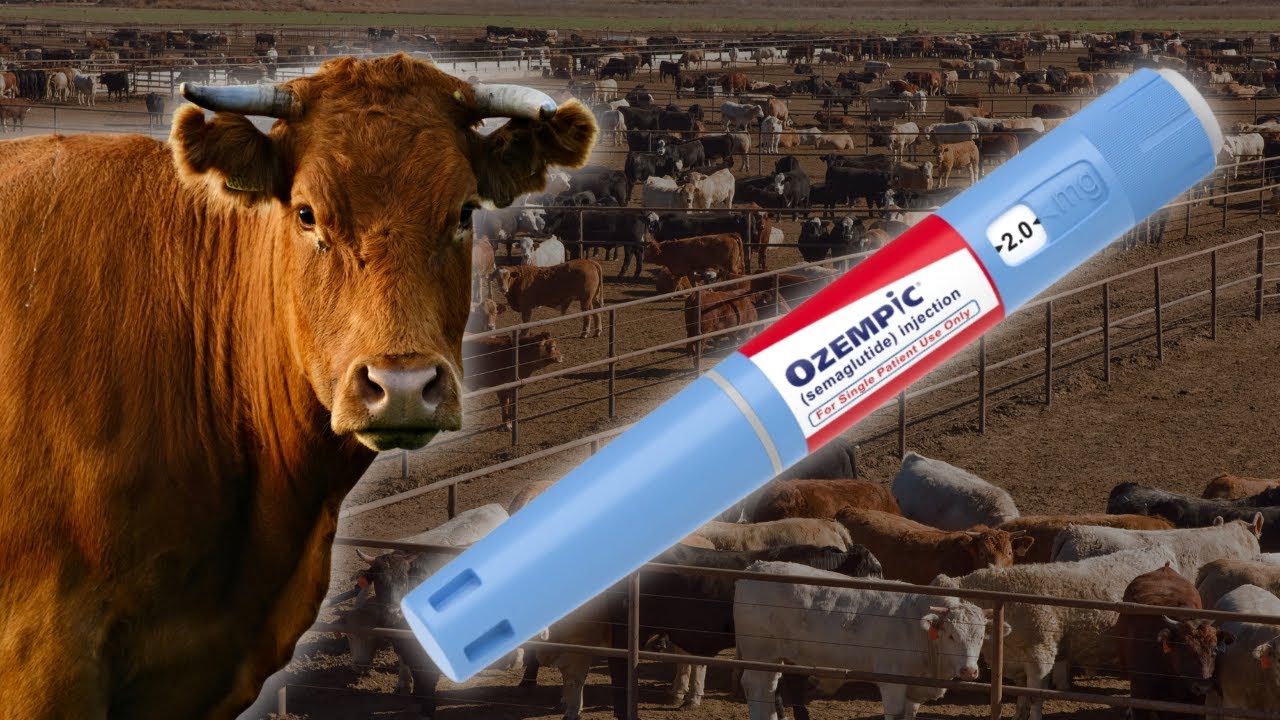
In recent years, advancements in veterinary medicine have revolutionized how we treat chronic conditions in animals, especially dogs and cats. One such breakthrough is the use of Semaglutide, a medication originally developed for human diabetes management, now gaining traction in veterinary applications. This guide aims to provide an in-depth understanding of Semaglutide for animal use, its benefits, mechanisms, safety considerations, and how it can improve the quality of life for pets suffering from obesity and metabolic disorders.
What Is Semaglutide?
Semaglutide is a glucagon-like peptide-1 (GLP-1) receptor agonist. It mimics the action of a naturally occurring hormone involved in glucose regulation and appetite control. Initially approved for managing type 2 diabetes in humans, Semaglutide has shown remarkable efficacy in weight management, which has led to its exploration for veterinary use.
Origin and Development
Developed by pharmaceutical companies as a treatment for human type 2 diabetes, Semaglutide’s impressive results in reducing blood sugar levels and promoting weight loss have made it a promising candidate for veterinary medicine, especially for managing obesity in pets.
Why Is Semaglutide Important for Animals?
Obesity is a growing concern among domestic animals, particularly dogs and cats. It predisposes pets to numerous health issues, including:
- Diabetes mellitus
- Osteoarthritis
- Cardiovascular diseases
- Reduced lifespan
Traditional weight management strategies involve diet control and increased activity, but these often aren’t enough for severely obese pets. Pharmacological interventions like Semaglutide offer a new avenue for effective weight management.
The Need for Pharmacological Solutions
While lifestyle modifications are essential, they can be challenging to implement consistently. Pharmacotherapy provides an adjunct or alternative, especially in cases where obesity is severe or complicated by metabolic conditions.
How Does Semaglutide Work in Animals?
Semaglutide works by targeting GLP-1 receptors in the body, leading to:
- Enhanced insulin secretion in response to high blood glucose levels
- Reduction in appetite through central nervous system pathways
- Slowing gastric emptying, which prolongs satiety after meals
In animals, these mechanisms translate into:
- Improved blood sugar regulation
- Significant reduction in food intake
- Promoting weight loss
Evidence of Efficacy in Veterinary Medicine
While research is still ongoing, preliminary studies and clinical anecdotes suggest that Semaglutide can be an effective tool in managing obesity and related metabolic disorders in pets. Arthramidvet
Semaglutide for Animal Use: Current Status and Regulations
As of now, Semaglutide is not officially approved for veterinary use by regulatory agencies such as the FDA. However, compounding pharmacies and veterinary practitioners are exploring its off-label use under strict guidelines and with informed consent.
Legal and Safety Considerations
- Off-label use requires careful consideration of dosing, administration, and monitoring.
- Veterinarians must ensure ethical practices and owner education.
- Regulatory status varies by country; always consult local laws before prescribing.
Benefits of Semaglutide in Veterinary Practice
1. Effective Weight Loss
Pets treated with Semaglutide can experience significant weight reduction, often more rapidly than with diet and exercise alone.
2. Improved Glucose Control
For diabetic pets, Semaglutide can enhance insulin sensitivity and glucose regulation.
3. Appetite Suppression
Many pets exhibit decreased hunger, leading to better adherence to weight management protocols.
4. Potential for Reduced Medication Burden
By controlling obesity and metabolic issues, Semaglutide may reduce the need for multiple medications.
Administration and Dosage in Animals
Dosing Guidelines
Since veterinary-specific dosing guidelines are still being developed, practitioners often extrapolate from human data or utilize compounding formulations. Typical approaches include:
- Subcutaneous injection – similar to human administration
- Frequency – once weekly or biweekly, depending on the case
Monitoring and Adjustments
Regular monitoring of blood glucose, body weight, and overall health is essential. Adjustments should be made based on response and any adverse effects.
Safety and Side Effects
Common Side Effects
- Gastrointestinal upset (vomiting, diarrhea)
- Decreased appetite
- Mild hypoglycemia in diabetic animals
Serious Risks
- Pancreatitis (rare)
- Allergic reactions
- Injection site reactions
Precautions
- Use with caution in animals with a history of pancreatitis
- Avoid in pregnant or lactating animals unless approved
- Always use under veterinary supervision
Future Perspectives and Research
The promising results seen in early trials suggest that Semaglutide could become a mainstay in veterinary weight management and diabetes treatment. Ongoing research aims to:
- Establish species-specific dosing
- Confirm long-term safety profiles
- Obtain regulatory approval for veterinary use
How to Obtain Semaglutide for Animal Use
From Veterinary Pharmacies
Veterinarians can source Semaglutide through specialized compounding pharmacies that prepare veterinary formulations.
Considerations When Purchasing
- Ensure the supplier complies with veterinary standards
- Confirm the product’s authenticity and quality
- Follow storage instructions carefully
Owner Education
Pet owners should be informed about:
- Proper administration techniques
- Potential side effects
- Importance of lifestyle modifications alongside medication
Integrating Semaglutide into a Holistic Weight Management Program
Medication alone is rarely sufficient. Combining Semaglutide with:
- Dietary modifications (high-protein, low-carb diets)
- Regular exercise
- Behavioral training
can optimize results and improve long-term health outcomes.
Ethical and Welfare Considerations
Using powerful pharmacological agents like Semaglutide must prioritize animal welfare. Always consider:
- The necessity of treatment
- Potential risks and benefits
- Animal’s quality of life
Conclusion
Semaglutide for animal use represents a promising frontier in veterinary medicine, especially for managing obesity and metabolic disorders. While its off-label application requires careful oversight, emerging evidence suggests it could significantly improve health outcomes for pets struggling with weight issues.
As research advances and regulatory pathways become clearer, Semaglutide may soon become an integral part of veterinary weight management protocols, helping countless pets live healthier, longer lives.
References & Further Reading
- Miraduck Solutions – EGH Products
- Veterinary guidelines on obesity management
- Recent clinical studies on GLP-1 receptor agonists in animals
Disclaimer
This blog post is for informational purposes only and does not substitute professional veterinary advice. Always consult with a licensed veterinarian before starting any new treatment for your pet.