Coccidiosis is a prevalent parasitic disease that affects a wide range of domesticated and wild animals, including poultry, livestock, and pets. Caused by protozoan parasites of the genus Eimeria, this disease can lead to severe health issues, reduced productivity, and even death if left untreated. Understanding the intricacies of coccidiosis, its symptoms, effective treatments, and preventive measures is crucial for farmers, veterinarians, and pet owners alike.
In this comprehensive guide, we will explore coccidiosis treatment in animals, delving into the causes, symptoms, diagnosis, treatment options, and prevention strategies. We will also highlight the latest solutions and products from Miraduck Solutions, a leading provider of animal health interventions.
What Is Coccidiosis?
Coccidiosis is an intestinal disease caused by protozoan parasites from the Eimeria genus. These parasites invade the intestinal lining, causing tissue damage, diarrhea, dehydration, and sometimes death. The disease is particularly notorious in poultry but also affects cattle, goats, sheep, pigs, and exotic pets.
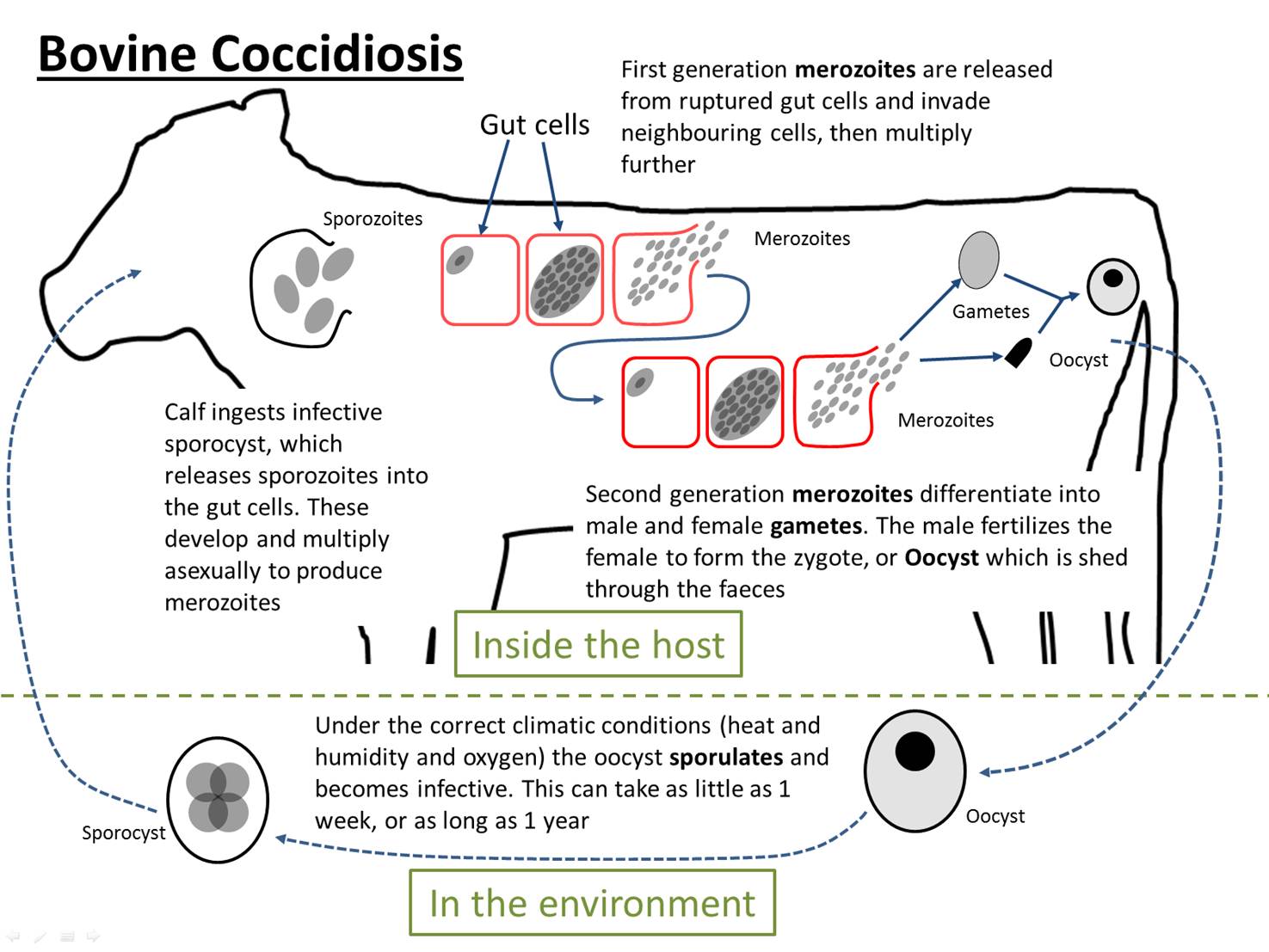
The Lifecycle of Eimeria
Understanding the lifecycle of Eimeria is vital for effective treatment:
- Oocyst Excretion: Infected animals shed unsporulated oocysts in feces.
- Sporulation: Under suitable environmental conditions, oocysts sporulate and become infective.
- Infection: Animals ingest sporulated oocysts from contaminated environments.
- Asexual Reproduction: The parasites invade intestinal cells, multiplying rapidly.
- Sporulation and Shedding: New oocysts are produced and shed, continuing the cycle.
Why Is Coccidiosis a Major Concern in Animals?
- Economic Impact: In poultry farms alone, coccidiosis causes billions in losses annually due to mortality, decreased growth rate, and increased feed conversion.
- Animal Welfare: The disease causes pain, discomfort, and suffering.
- Antimicrobial Resistance: Overuse of antibiotics to treat secondary bacterial infections complicates disease management.
- Environmental Contamination: Oocysts can survive in the environment for months, making eradication challenging.
Recognizing the Symptoms of Coccidiosis in Animals
Early detection is key to effective treatment. Symptoms vary depending on the species and severity but generally include:
In Poultry
- Bloody diarrhea
- Decreased feed intake and weight gain
- Lethargy and dehydration
- Ruffled feathers
- Sudden death in severe cases
In Cattle and Sheep
- Diarrhea (sometimes bloody)
- Weight loss
- Poor growth rates
- Dehydration
- Abdominal pain
In Pigs
- Diarrhea
- Poor appetite
- Anemia in some cases
- Growth retardation
In Exotic Pets
- Diarrhea
- Anorexia
- Lethargy
- Dehydration
Diagnosing Coccidiosis in Animals
Accurate diagnosis involves a combination of clinical signs, laboratory tests, and environmental assessment:
- Fecal Examination: Microscopic identification of oocysts.
- Histopathology: Tissue analysis for parasite invasion.
- Molecular Tests: PCR for species identification.
- Clinical History: Recent exposure to contaminated environments.
Timely diagnosis facilitates targeted treatment and effective management.
Coccidiosis Treatment in Animals: The Most Effective Strategies
Effective coccidiosis treatment aims to eliminate the parasite, reduce clinical signs, and prevent reinfection. Here, we explore various treatment options, including medications, natural remedies, and management practices.
1. Anticoccidial Drugs
Anticoccidial medications are the cornerstone of treatment. They can be administered through feed, water, or injections, depending on the species.
Common Anticoccidial Drugs
- Amprolium: A thiamine antagonist that inhibits parasite development.
- Sulfamethazine: A sulfonamide that inhibits folic acid synthesis.
- Diclazuril (Clinacox): A potent anticoccidial agent effective against multiple Eimeria species.
- Toltrazuril: A broad-spectrum anticoccidial used in poultry.
- Ponazuril: Used in some exotic pets and livestock.
Note: Always follow veterinarian guidance for dosage and duration to prevent resistance.
2. Supportive Care
Supportive treatments are essential to help animals recover:
- Electrolyte Solutions: Replenish fluids lost due to diarrhea.
- Nutritional Support: High-quality, easily digestible feed.
- Probiotics: Restore gut flora balance.
- Anti-inflammatory Drugs: Reduce inflammation and discomfort.
3. Natural and Alternative Treatments
Some farmers and pet owners prefer natural remedies:
- Herbal Extracts: Such as garlic, oregano, and neem, which have antiparasitic properties.
- Probiotics and Prebiotics: Support gut health.
- Environmental Management: Regular cleaning and sanitation.
4. Vaccination
In poultry, vaccines containing live oocysts are available to stimulate immunity. Vaccination is an effective preventive measure but is not a standalone treatment for active infections.
Managing and Preventing Coccidiosis in Animals
Prevention is always better than cure. Implementing proper management practices reduces infection risk:
Environmental Hygiene
- Regular cleaning and disinfection of animal housing.
- Removing fecal matter promptly.
- Using dry bedding to inhibit oocyst sporulation.
Biosecurity Measures
- Limiting access to contaminated areas.
- Quarantining new animals.
- Proper disposal of dead animals.
Nutritional Management
- Providing balanced diets to boost immunity.
- Using feed additives like probiotics.
Use of Coccidiostats and Vaccines
- Incorporate coccidiostats in feed/water for high-risk flocks.
- Vaccinate poultry in endemic areas.
Environmental Control
- Maintain optimal ventilation.
- Avoid overcrowding.
Innovative Solutions for Coccidiosis Control: Miraduck Solutions
Miraduck Solutions offers advanced products aimed at combating coccidiosis and promoting overall animal health. Their approach emphasizes:
- Targeted Anticoccidial Agents: Formulated to maximize efficacy while minimizing resistance.
- Natural Supplements: Supporting immune health.
- Environmental Sanitizers: Reducing oocyst load in animal facilities.
- Water and Feed Additives: Ensuring consistent delivery of treatment agents.
For more details on their latest innovations, visit Miraduck Solutions.
The Importance of Regular Monitoring and Veterinary Consultation
Routine health monitoring, including fecal testing, helps detect coccidiosis early. Consult a veterinarian for diagnosis, treatment plans, and vaccination schedules. Proper record-keeping facilitates tracking outbreaks and evaluating treatment effectiveness.
Conclusion
Coccidiosis remains a significant challenge in animal husbandry and pet care, but with comprehensive knowledge and proactive management, its impact can be minimized. The key components of effective coccidiosis treatment include:
- Prompt diagnosis
- Use of appropriate anticoccidial drugs
- Supportive care
- Rigorous sanitation
- Preventive vaccination and medication
By integrating these strategies and utilizing innovative solutions from companies like Miraduck Solutions, farmers and pet owners can safeguard their animals’ health, improve productivity, and ensure animal welfare. Pmma Butts Kit
FAQs About Coccidiosis Treatment in Animals
1. How long does it take to recover from coccidiosis?
Recovery time varies depending on the severity, species affected, and treatment efficacy. Mild cases may recover in a week, while severe infections might take several weeks with proper care.
2. Can coccidiosis be transmitted to humans?
Coccidiosis primarily affects animals. However, poor hygiene can lead to environmental contamination. Proper sanitation and hygiene practices are essential to prevent zoonotic transmission.
3. Are there any vaccines available for coccidiosis?
Yes, vaccines are available, especially for poultry. They contain live oocysts that stimulate immunity. Consult your veterinarian for vaccination schedules.
4. Is it safe to use anticoccidial drugs during pregnancy?
Always consult a veterinarian before administering medications during pregnancy to ensure safety for the animal and the fetus.
5. How often should I clean animal housing to prevent coccidiosis?
Regular cleaning and disinfection should be performed at least weekly or more frequently during outbreaks, focusing on removing fecal matter and disinfecting surfaces.
Final Thoughts
Coccidiosis remains a formidable challenge in animal health management, but with targeted treatments, sound preventive practices, and innovative products like those from Miraduck Solutions, it is possible to control outbreaks effectively. Staying informed, vigilant, and proactive ensures the health and productivity of your animals.
For expert guidance and high-quality animal health products, visit Miraduck Solutions.