Milk Boosters
Milk Boosters
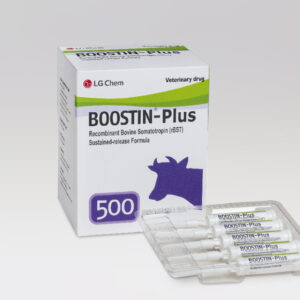
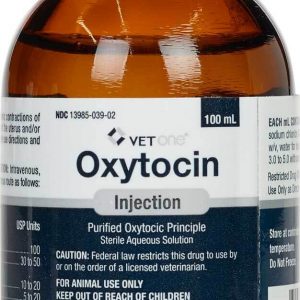
Milk boosters are Injections to boost milk production in dairy cows primarily involve bovine somatotropin (rbST) or oxytocin, both used to increase yield or enhance milk let-down. Recombinant bovine somatotropin (rbST) is commonly administered every 14 days to increase milk production by 15–20%, while oxytocin is often given to facilitate milk ejection.
Dairy cows produce milk over a ~305-day cycle following calving, peaking within 40–70 days at up to 60 litres/day in high-yielding cows. Production involves a, early lactation (0-100 days) negative energy balance where cows lose weight, followed by mid-to-late lactation (100–305 days) focused on maintaining yield and replenishing body condition.
Key Injections for Milk Production:
- Bovine Somatotropin (bST/rbST): A synthetic protein hormone approved by the FDA that mirrors natural growth hormones. It is injected subcutaneously, often starting around week 9–10 of lactation, to increase total milk yield by about 4.5kg /day, as described in studies from the PMC.
- Oxytocin: A peptide used to stimulate milk let-down, often given in daily injections immediately before milking, which can increase yield by 3% by facilitating better milk removal.
- Thyroxine (T4): Studies show injections can increase milk yield by roughly 15%, along with elevating fat and lactose content, as found in studies from the National Institutes of Health.
- Anti-inflammatory Drugs (e.g., Sodium Salicylate): Post-calving, these can help boost production by reducing inflammation, with studies showing potential improvements in overall lactation performance, as mentioned in a Dellait study.
Key Stages of the Lactation Cycle
- Early Lactation (0–100 days): Milk production increases rapidly, peaking between 40-70 days. Dry matter intake (DMI) lags behind, creating a “negative energy balance” where cows mobilize body fat, leading to weight loss.
- Mid-Lactation (100–200 days): Cows reach peak dry matter intake (up to 4% of body weight), and the focus is on maintaining peak milk production.
- Late Lactation (200–305 days): Production declines, and cows replenish body weight and support the developing fetus.
- Dry Period (45–60 days): A required non-milking period before the next calving for udder repair.
Management Factors
- Nutrition: High-quality forage (minimum 40–45% of ration dry matter) is essential, especially in mid-lactation.
- Health: High milk production is often linked to metabolic stress; monitoring Body Condition Scoring (BCS) is critical to prevent excessive weight loss, with a target of not losing more than 0.5 BCS (60 pounds).
- Extended Lactations: Some farms now extend lactations to 330+ days if production holds.
Considerations:
- rbST use requires careful management regarding animal health and welfare.
- Oxytocin is highly effective for stimulating milk release, particularly in animals that do not release milk easily.
- These methods are generally geared toward maximizing commercial dairy output.
Showing all 3 results