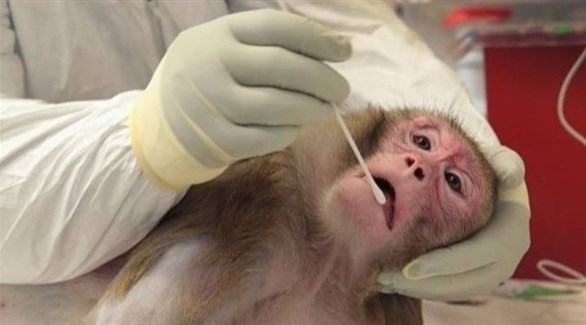
Capuchin monkeys are one of the most intelligent and adaptable primates, widely recognized for their playful behavior and significant role in ecosystems. However, like all wild and captive animals, they are susceptible to various diseases, many of which can be prevented through vaccination. In this comprehensive guide, we will delve into everything you need to know about the Capuchin monkey vaccine, including its importance, types, administration, safety, and how it contributes to the health and conservation of these remarkable creatures.
If you’re a veterinarian, animal caretaker, researcher, or a passionate animal lover interested in primate health, this guide will serve as your ultimate resource to understanding the role of vaccination in safeguarding Capuchin monkeys.
1. Understanding Capuchin Monkeys
Biological and Behavioral Overview
Capuchin monkeys (genus Cebus) are New World primates native to Central and South America. They are known for their high intelligence, dexterity, and social behaviors. Typically, they weigh between 3-4 kilograms and have a lifespan of up to 25 years in captivity.
Common Diseases Affecting Capuchins
Due to their environment and interactions with humans, Capuchins are susceptible to several infectious diseases, including rabies, herpesvirus, and measles. Their health can be compromised by poor nutrition, environmental stress, and exposure to pathogens.
2. The Importance of Vaccination for Capuchin Monkeys
Why Vaccinate?
Vaccination is a critical component of disease prevention in both captive and wild populations. It reduces morbidity and mortality, helps control disease outbreaks, and supports conservation efforts.
Benefits for Captive and Wild Populations
- Captive Care: Ensures the health of primates in zoos, sanctuaries, and research facilities.
- Wild Conservation: Protects wild populations from devastating epidemics.
- Public Health: Reduces zoonotic transmission risks to humans.
3. Types of Vaccines for Capuchin Monkeys
Core Vaccines
Core vaccines are essential and recommended universally due to the severity of the diseases they prevent. For Capuchins, these include:
- Rabies vaccine
- Herpesvirus vaccine
- Measles vaccine
Non-Core Vaccines
Non-core vaccines are administered based on risk assessment, geographic prevalence, and exposure:
- Hepatitis vaccines
- Leptospirosis vaccines
- Other region-specific vaccines
Emerging Vaccines and Research
Recent advances have seen the development of DNA vaccines and monoclonal antibody therapies, promising safer and more effective options.
4. Common Diseases Prevented by Vaccines
Rabies
A deadly zoonotic disease transmitted through bites. Vaccinating primates helps prevent outbreaks and protects humans.
Herpesvirus
Herpes B virus can be lethal to humans, and vaccination reduces the risk of infection.
Measles
Highly contagious, measles can cause severe illness in primates. Vaccination is crucial, especially in captivity.
Hepatitis
Hepatitis A and B can affect primates, impacting liver health and overall vitality.
5. Vaccine Administration: Protocols and Best Practices
When to Vaccinate
- During initial health assessments
- Before exposure to high-risk environments
- As part of routine health maintenance
Dosage and Frequency
Protocols vary based on vaccine type, age, and health status. Typically, initial series followed by booster doses annually or as recommended.
Methods of Delivery
- Subcutaneous injections
- Intramuscular injections
6. Safety and Side Effects of Capuchin Monkey Vaccines
Monitoring Post-Vaccination
Observation for adverse reactions like swelling, fever, or allergic responses.
Addressing Adverse Reactions
Immediate veterinary intervention and supportive care. Camels antibiotics for sale
7. Legal and Ethical Considerations
Regulations on Vaccinating Primates
Compliance with local and international wildlife conservation laws.
Ethical Aspects in Conservation and Captivity
Balancing animal welfare with disease prevention.
8. Challenges and Limitations of Vaccination in Capuchins
Logistical Challenges
- Difficulties in administering vaccines to wild populations
- Maintaining cold chain and storage
Vaccine Efficacy and Resistance
Ongoing research to improve effectiveness and reduce resistance.
9. Future Perspectives: Innovations in Primate Vaccination
Advances in Vaccine Technology
- DNA and mRNA vaccines
- Oral vaccines
Conservation Efforts and Vaccination Programs
Global initiatives to vaccinate wild primate populations against emerging threats.
10. FAQs about Capuchin Monkey Vaccine
Q1: Is the Capuchin monkey vaccine safe?
Yes, when administered by trained professionals, vaccines are safe and effective.
Q2: Can wild Capuchins be vaccinated?
Vaccinating wild populations is challenging but possible through oral bait vaccines.
Q3: How often should Capuchins be vaccinated?
Typically annually, but it depends on the vaccine and exposure risk.
Q4: Are there any side effects?
Minor reactions like swelling or fever are possible but rare.
11. Feedback and Community Insights
We invite veterinarians, researchers, and animal enthusiasts to share their experiences with Capuchin monkey vaccination programs. Your insights help improve protocols and conservation efforts.
12. Resources and References
- Miraduck Solutions: https://miraducksolutions.com/
- World Organisation for Animal Health (OIE)
- American Veterinary Medical Association (AVMA)
- Conservation International
Conclusion
Vaccinating Capuchin monkeys is a vital step in safeguarding their health, supporting conservation efforts, and reducing zoonotic disease transmission. As science advances, so do the opportunities for more effective, safer, and accessible vaccination strategies for these intelligent primates.
Stay informed, stay proactive, and contribute to the well-being of our primate friends.
If you have further questions or feedback about this guide, please share your insights. Your involvement can help shape better health practices for Capuchin monkeys worldwide.